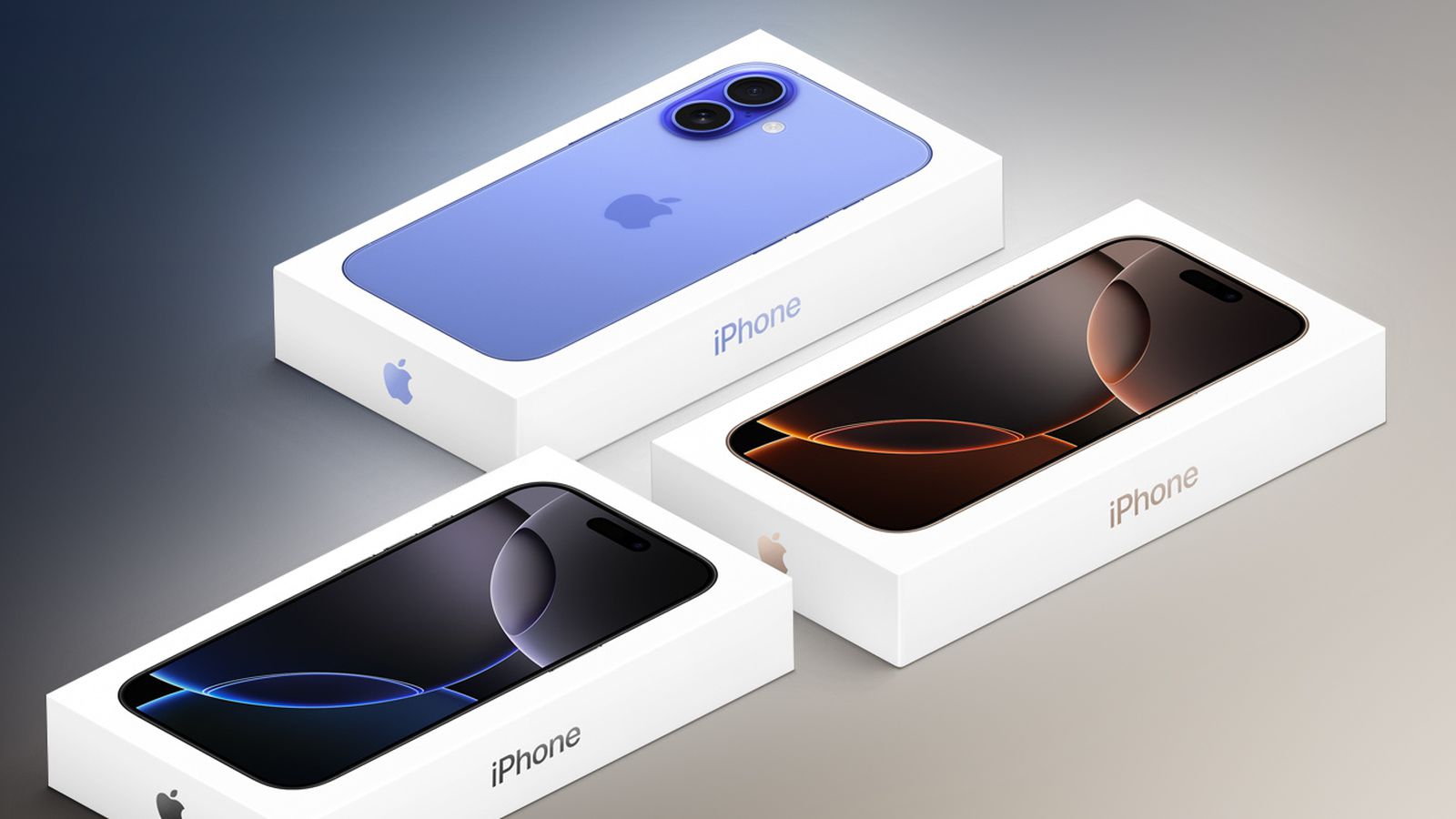
Apple updated U.S. trade-in values across iPhone, iPad, Mac, Apple Watch and select Android phones, with most device values edging down slightly while several Mac valuations were raised. The company repeatedly revised Mac trade-in quotes during the day (notably swings to MacBook Pro, MacBook Air, iMac and Mac Pro figures), creating variability in published values; Apple did not explain the anomalies. The changes are transactional and unlikely to materially affect Apple’s near-term financials, but the adjustments and volatility in published values may offer signals on used-device pricing and consumer trade-in behavior.
Market structure: The move is marginal for iPhone/iPad/watch owners (most trade-in cuts are $10–$20 per unit) but the day’s wild Mac swings (published highs up to ~$2,515 then later quoting $710) matter more for secondary-market pricing, Mac suppliers and buyback/resale margins. Winners: Apple if higher Mac values reflect intentional promotions to stimulate Mac upgrades or clear higher-ASP inventory; TSMC/AVGO-like suppliers if Mac demand holds. Losers: third‑party refurbishers and carrier upgrade programs that arbitrage Apple trade‑in values; their margins compress if Apple cuts values or creates pricing uncertainty.
Risk assessment: Immediate (days) risk is operational — a pricing/website bug that creates headline volatility and option-IV spikes; short-term (weeks–months) risk is demand-related — sustained trade‑in declines >5–10% across models would be an early signal of weaker upgrade cycles and could shave FY revenue growth by mid-single digits. Tail risks include regulatory scrutiny of trade‑in practices or a coordinated competitor price response; catalysts to watch: Apple’s channel inventory data, next earnings, and iPhone sell-through in 30/60 day retail checks.
Trade implications: Tactical view — AAPL remains a buy-on-weakness candidate: consider establishing a ~2% portfolio long on a >3% intraday pullback within 10 trading days, target +8–12% over 3–6 months, stop -5%. Hedging: buy a 30–45 day put spread (buy ~4% OTM / sell ~8% OTM) sized to protect ~50% of the long. Conditional longs in TSM (1% size) if Mac trade-in uplift persists >10% for 30 days; reduce/avoid small-cap refurb/resale names if Apple trade-ins drop >7% across category in 30 days.
Contrarian angles: The market may be under‑reacting to the Mac-value volatility as an operational error rather than fundamental demand change; options IV spikes create short-term arbitrage — sell short-dated straddles only when IV exceeds 20% premium to 30-day IV and size conservatively. Consensus misses second-order effects: inconsistent trade-in pricing erodes customer trust, which can depress lifetime services revenue if sustained, but history shows isolated trade-in tweaks rarely alter Apple’s upgrade trajectory unless accompanied by broader price cuts.
AI-powered research, real-time alerts, and portfolio analytics for institutional investors.
Request DemoOverall Sentiment
neutral
Sentiment Score
0.00
Ticker Sentiment
