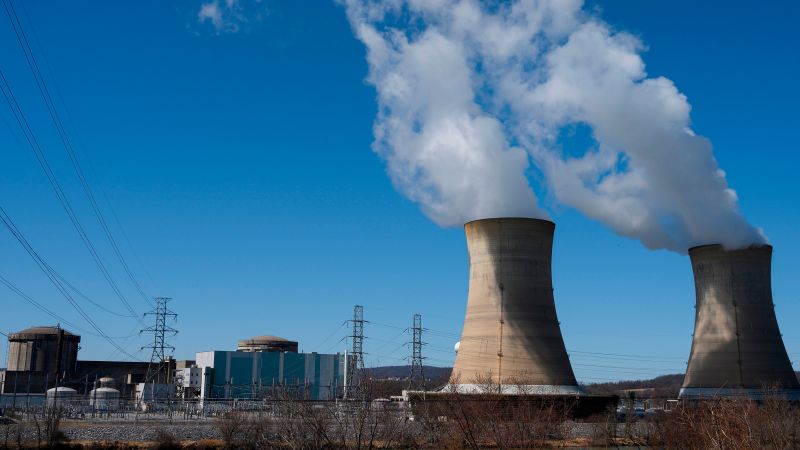
The Energy Department’s Loan Programs Office has provided Constellation Energy a $1 billion loan to restart an 835 MW reactor at the Pennsylvania site formerly known as Three Mile Island—part of a late-2024 deal to supply Microsoft and accelerate a restart now targeted for 2027 after PJM fast-tracked grid interconnection. LPO chief Greg Beard said the financing, closed the first time the office declared all conditions met, will support PJM and broader LPO plans to deploy its roughly $250 billion capital to large-scale nuclear; Constellation is guaranteeing the loan to shield taxpayers but still must complete major equipment work, refueling and secure NRC and water permits. The move underscores nuclear’s appeal to tech firms seeking reliable, low-carbon baseload amid rising AI-driven power demand, even as critics warn the U.S. lacks permanent radioactive waste storage.
The Energy Department's Loan Programs Office has closed a $1 billion loan to Constellation Energy to restart an 835 MW reactor at the Pennsylvania site formerly known as Three Mile Island, supporting a late-2024 deal to supply Microsoft’s data-center electricity and a revised restart target of 2027 after PJM fast-tracked grid interconnection. LPO chief Greg Beard framed the financing as supporting PJM grid stability and affordable baseload power, and noted the LPO has more than $250 billion in capital with a stated focus on large-scale nuclear; Constellation is guaranteeing the loan and the LPO said this was the first closure after declaring all conditions met. Execution progress includes hundreds of hires, completed infrastructure inspections, major equipment orders and identified scope such as cooling-tower revamps, a main power transformer and refueling, but remaining prerequisites include NRC and water-related permits. Key risks are regulatory and permitting delays, unresolved national radioactive-waste policy cited by critics, and construction/refueling execution through 2027, while the deal links nuclear capacity to rising AI-driven power demand and corporate clean-energy procurement trends.
AI-powered research, real-time alerts, and portfolio analytics for institutional investors.
Overall Sentiment
moderately positive
Sentiment Score
0.40
Ticker Sentiment
