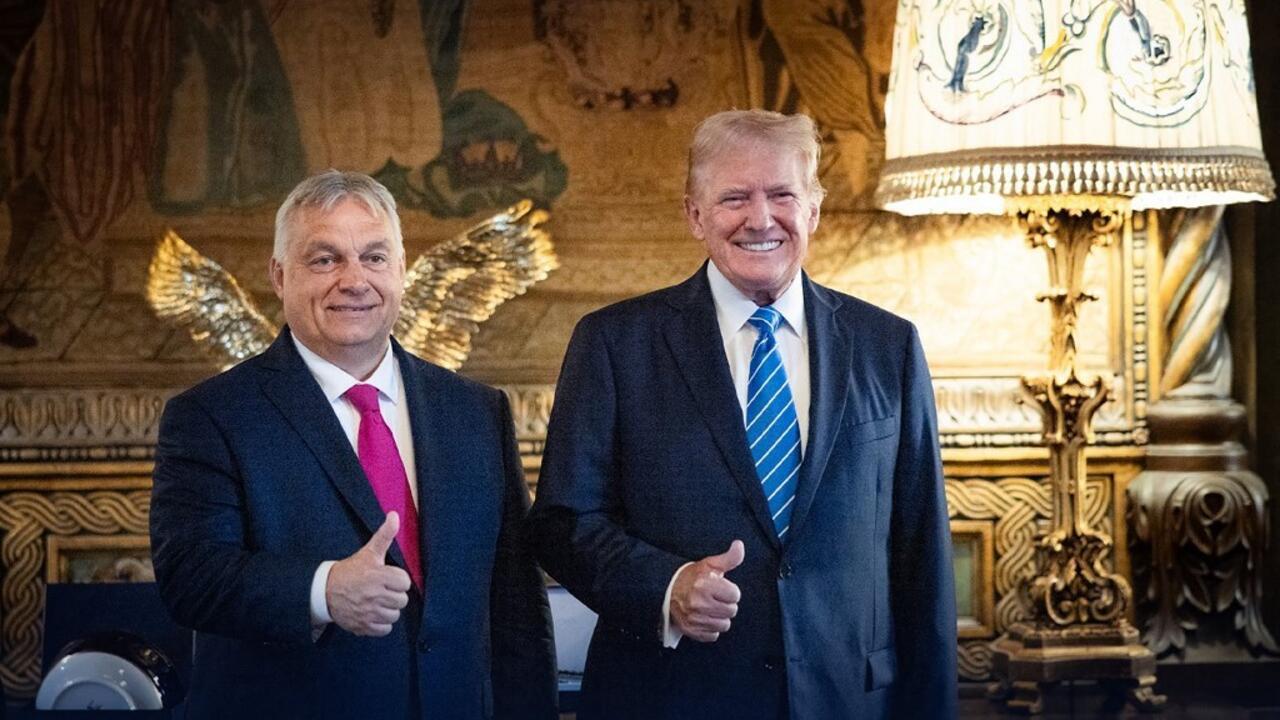
The Trump administration has enacted two significant policy shifts impacting Russia: halting critical military aid shipments to Ukraine, citing US strategic reserve concerns, and introducing a sanctions exemption for Russian civil nuclear energy financing. This exemption, marking the first formal breach in US sanctions under Trump, directly benefits Russia's Rosatom and facilitates the €10 billion Paks-2 nuclear project in Hungary, aligning with Hungarian interests. These actions signal a potential weakening of US support for Ukraine's defense and offer Russia new economic and strategic leverage in Europe.
Recent policy decisions by the Trump administration signal a material shift in U.S. strategy towards Russia, with direct implications for the conflict in Ukraine and European energy security. The suspension of a military aid shipment to Kyiv, which reportedly included critical artillery and air defense systems, is officially attributed to maintaining U.S. strategic reserves but is interpreted by analysts as a clear signal of waning American commitment to Ukraine's defense. This action transfers a greater long-term military support burden to European allies and provides a significant morale boost to Moscow. Concurrently, the administration has created the first formal breach in the post-2014 sanctions regime by issuing an exemption that facilitates financing for Russia's civil nuclear sector. While the immediate economic impact of this waiver is minor relative to Russia's hydrocarbon exports, its strategic value is substantial. The decision directly enables the revival of the stalled €10 billion Paks-2 nuclear plant in Hungary, a key project for Trump ally Viktor Orban funded by Russia's Rosatom. This move is seen not only as a political favor but also as a strategic gambit that allows a Russian state-controlled entity to secure a permanent foothold in Europe's future integrated electricity market, posing a long-term strategic risk to the continent's energy independence.
AI-powered research, real-time alerts, and portfolio analytics for institutional investors.
Overall Sentiment
strongly negative
Sentiment Score
-0.65
Ticker Sentiment
