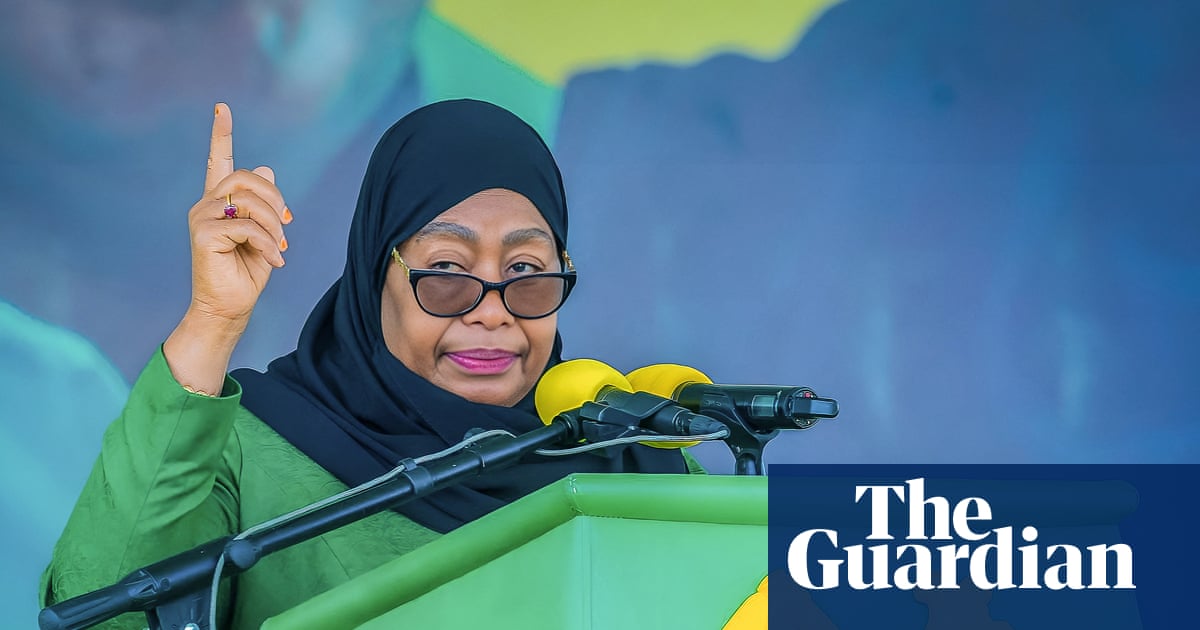
Tanzanian President Samia Suluhu Hassan secured a five-year term after winning a highly disputed election with over 97% of the vote, a result that has drawn significant criticism from international rights groups and opposition parties. The electoral process was marred by the exclusion of major opposition figures, numerous arrests, and violent protests, with reports of multiple fatalities, raising substantial concerns among institutional investors regarding political stability, governance, and the rule of law in the East African nation.
Tanzania's recent presidential election saw incumbent Samia Suluhu Hassan declared winner with over 97% of the vote, a result widely disputed and drawing significant international criticism. The electoral process was marred by the exclusion of major opposition figures, including Tundu Lissu and Luhaga Mpina, and allegations of widespread repression, which included arbitrary arrests and charges of treason against opposition leaders.
Violent protests erupted during the election, with reports from the UN human rights office indicating at least 10 fatalities, while the main opposition party claimed hundreds were killed. Rights groups like Amnesty International and a UN panel cited a pattern of enforced disappearances and extrajudicial killings leading up to the polls, raising serious concerns about human rights and the rule of law.
Despite the article's neutral sentiment and a low market impact score (0.25), these events signal heightened political instability and governance risks for institutional investors with exposure to Tanzania. The lack of a credible opposition and the reported repression could lead to a challenging operating environment, impacting foreign direct investment and long-term economic stability.
AI-powered research, real-time alerts, and portfolio analytics for institutional investors.
Overall Sentiment
neutral
Sentiment Score
0.00
Ticker Sentiment
