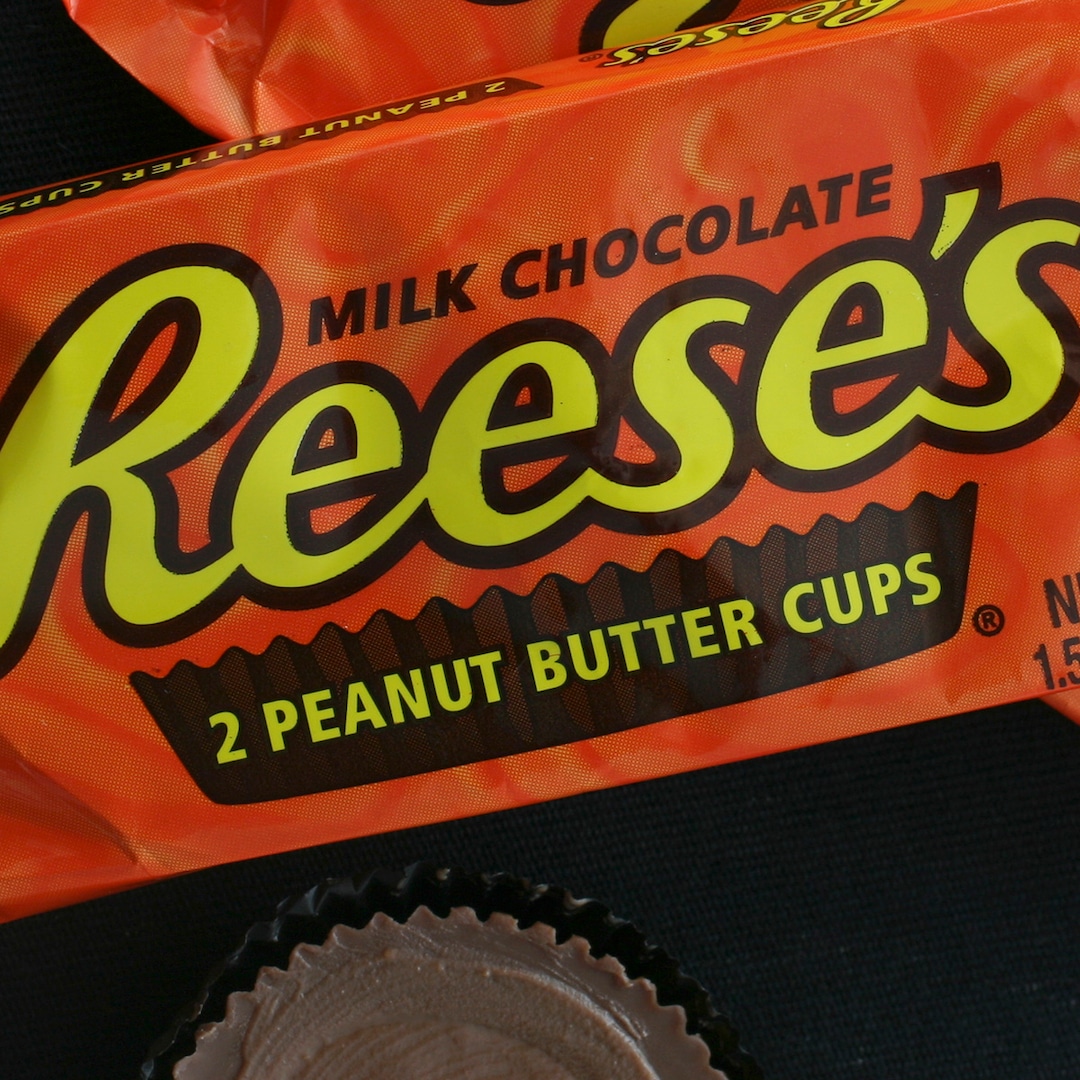
H.B. Reese’s grandson publicly accused The Hershey Company of quietly substituting key ingredients across Reese’s products, alleging milk chocolate has been replaced with compound coatings and peanut butter with peanut-butter-style crèmes, while Hershey denies changes to the core Reese’s Peanut Butter Cups and attributes recipe variation to product-line innovation. The dispute highlights potential reputational and brand stewardship risks and raises questions about labeling standards—note the FDA definition of milk chocolate cited—that could affect consumer trust and demand, though no financial figures or regulatory actions have been reported.
Market structure: Hershey (HSY) is the direct loser—brand reputation and premium pricing power are at risk; rivals (Mondelez MDLZ, private‑label manufacturers, regional confectioners) are the nearest beneficiaries as price‑sensitive or authenticity‑seeking consumers can switch. Expect a possible short‑term sales decline of 1–3% over the next 1–2 quarters in the confectionery category if negative sentiment spreads, pressuring gross margin by ~50–150bp as promotional intensity rises. Commodity impact is minimal (peanuts/cocoa volumes unchanged) but HSY’s equity options and CDS could show a 20–40% spike in implied vol over a 2–4 week news cycle.
Risk assessment: Tail risks include an FDA labeling enforcement action (low probability) or a class action/retailer delisting (very low probability) that could cost $100–300m and reduce FY EPS by ~5–10%; more likely are incremental share losses and marketing spend increases. Time horizons split: immediate (days) reputational headlines and vol; short‑term (weeks–months) measurable sales/mix shifts and promotional activity; long‑term (quarters–years) brand erosion that could compress operating margin 100–200bp if product perception persists. Hidden dependencies: co‑packers, recipe variation in SKUs, and retailer shelf placement; catalysts include a formal FDA complaint, major retailer statements, or independent lab tests within 30–90 days.
Trade implications: Tactical shorting of HSY equity or buying defined‑risk put spreads is warranted given asymmetric downside from reputational hits; consider a modest 1–2% notional short via option spreads to limit tail loss. Relative‑value: pair trade long MDLZ (1–2% notional) vs short HSY (1–2%) to capture potential share rotation; volatility trade: buy 30–90 day protection if weekly Nielsen data shows >2% sequential share decline for 3 consecutive weeks. Rotate 1–3% of staples exposure toward cheaper, authenticity‑focused names (MDLZ, KHC) over 1–6 months.
Contrarian angles: The market may be overreacting—historical parallels (rumors about formulas at Coca‑Cola, Kraft product changes) produced short lived dips when no regulatory findings emerged; if no formal FDA action within 60–90 days, expect a mean reversion. Consensus misses upside: nostalgia and “real ingredient” marketing could boost core Reese’s cup sales if Hershey responds with transparency, creating a 3–6 month buying opportunity. Key metrics to watch: weekly Nielsen/IRI market share, retailer delisting signals, and number of FDA consumer complaints—if complaints exceed 250 in 60 days, reprice risk higher and widen positions accordingly.
AI-powered research, real-time alerts, and portfolio analytics for institutional investors.
Request DemoOverall Sentiment
moderately negative
Sentiment Score
-0.25
Ticker Sentiment
