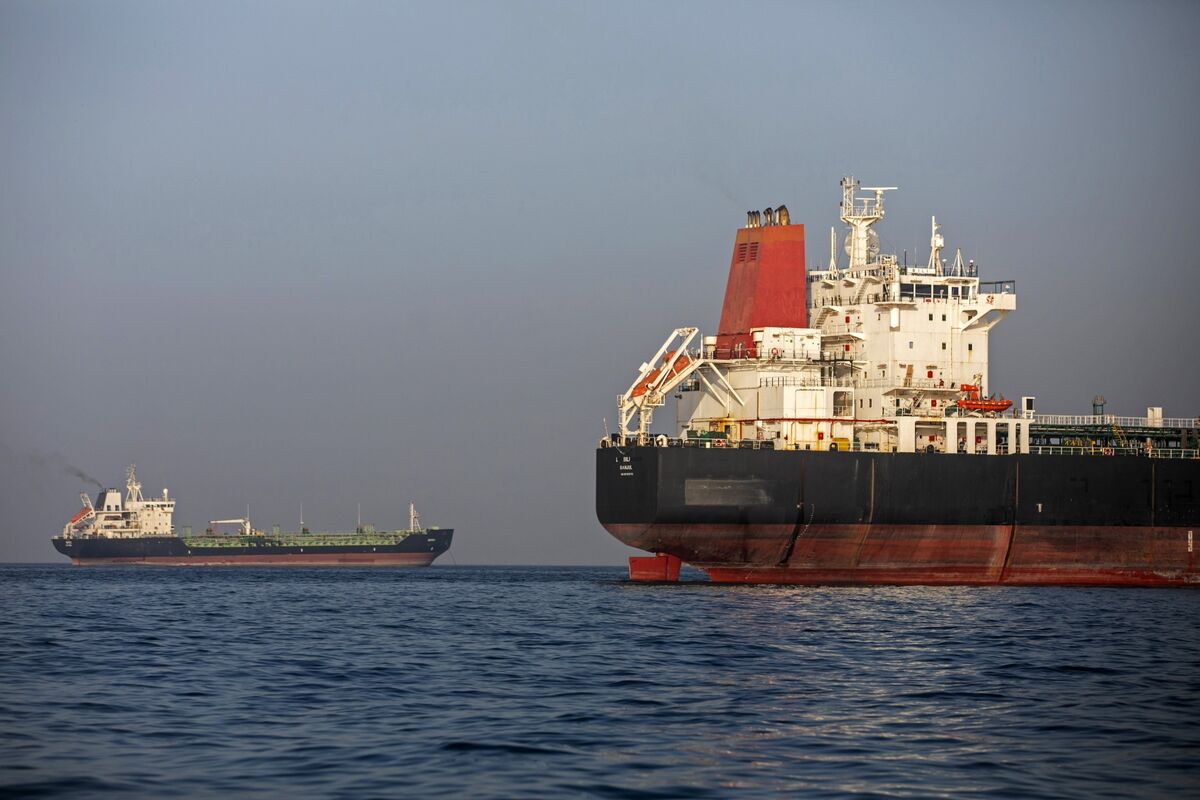
At least 19 non-Iranian oil and LPG tankers have entered and exited the Strait of Hormuz since March 1, but about 100 others that entered before the conflict remain trapped in the Gulf over attack fears. The article highlights a small but growing group of shipowners willing to transit the chokepoint during the Iran war, underscoring elevated supply-route risk for energy shipping. The situation is geopolitically sensitive and could affect tanker availability, freight costs, and regional energy flows.
The market is effectively pricing a bifurcation in tanker risk: a small cohort of operators is earning a wartime scarcity premium, while the rest of the fleet is being pulled into a self-reinforcing “wait-and-see” regime. That is bullish for the handful of asset owners willing to keep vessels exposed, but it also creates a hidden capacity constraint: if more tonnage stays sidelined, voyage durations and effective fleet supply tighten even if headline export volumes hold up. In practice, that is more supportive for spot freight than for crude outright in the first instance, because the bottleneck is transport optionality before it becomes a barrel shortage.
The second-order loser is anyone reliant on Gulf-to-Asia physical arbitrage, especially refiners and commodity traders whose margins depend on predictable liftings and delivery windows. Insurance, war-risk premium, and crew compensation costs should continue to ratchet higher even absent a major incident, which means the real stress may show up in freight rates and backwardation rather than a clean spike in prompt crude. If the market is underestimating anything, it is the lag: the full impact can take several weeks to appear as delayed loadings, reshuffled routing, and inventory drawdowns feed through to Asia.
The key catalyst is not whether a ship can make it through once, but whether the market decides the route is operationally normal again. A single successful passage is not enough to reset behavior; you need a sustained, incident-free window or an explicit de-escalation channel. Conversely, one kinetic event against a non-Iranian tanker would likely freeze the remaining active tonnage and make the current “small group of risk-takers” behavior look like a local peak, not a durable regime.
Consensus may be too focused on immediate oil-price upside and not enough on freight convexity. If the Strait remains open but scary, the best expression is long shipping/tanker exposure against more levered downstream consumers rather than a blunt long crude hedge. The risk/reward favors positions that benefit from elevated volatility and dislocation without needing an actual supply shock, which is the more probable outcome over the next 2-6 weeks.
AI-powered research, real-time alerts, and portfolio analytics for institutional investors.
Request DemoOverall Sentiment
mildly negative
Sentiment Score
-0.25
