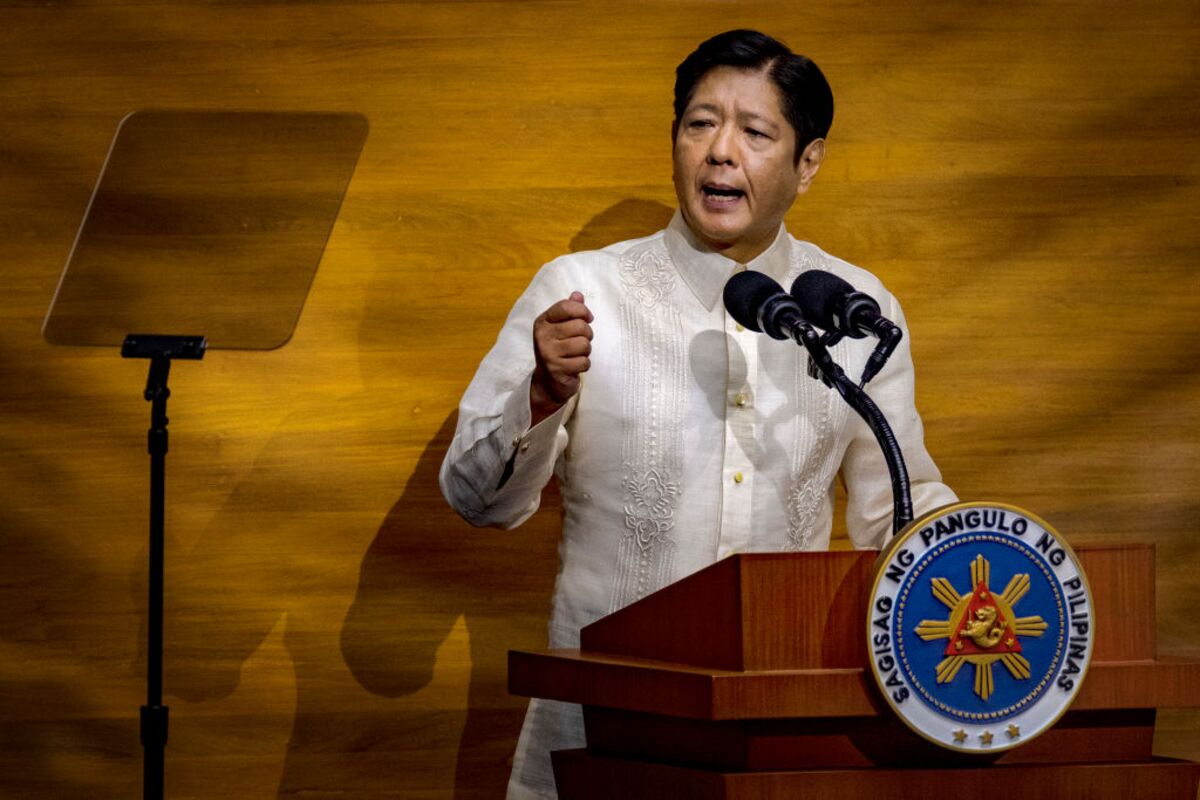
Following recent election setbacks and public discontent over issues like poverty and power cuts, Philippine President Ferdinand Marcos Jr. has pledged to intensify efforts on job creation and attracting investment during his remaining three years in office. Despite acknowledging positive macroeconomic data, including slowing inflation and increased employment, Marcos emphasized the irrelevance of such figures if citizens are suffering, signaling a policy pivot towards more direct social programs and inclusive growth to address public grievances.
Philippine President Ferdinand Marcos Jr. is signaling a significant policy shift in response to public discontent revealed by recent midterm election results. Despite positive macroeconomic indicators such as slowing inflation and increased employment, the administration acknowledges these metrics are disconnected from the public's experience of hardship, a sentiment captured in the President's statement that economic data is "irrelevant if Filipinos are suffering." This pivot towards enhancing social programs, job creation, and attracting investment during the final three years of his term suggests a move towards more populist-driven fiscal policy. The announcement introduces a dual narrative for investors: a potential boost to domestic consumption through social spending, set against the risk of fiscal strain and the uncertainty of whether investment-friendly rhetoric will translate into concrete, effective policy.
AI-powered research, real-time alerts, and portfolio analytics for institutional investors.
Request DemoOverall Sentiment
mixed
Sentiment Score
-0.05
