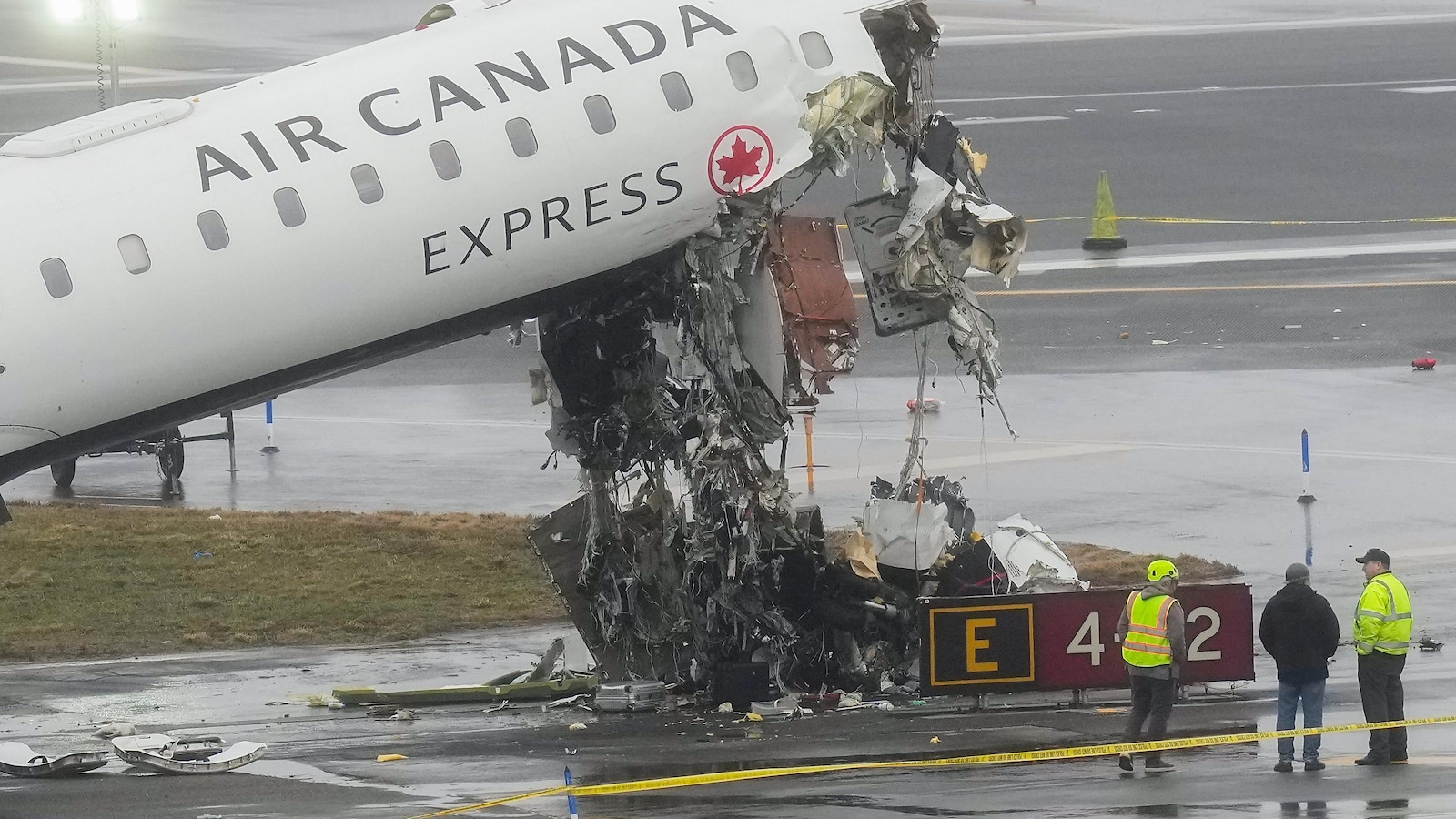
Air Canada CEO Michael Rousseau will retire by the end of Q3 after criticism over an English-only condolence message following a LaGuardia runway collision that killed two crew members. The message prompted hundreds of complaints to the Office of the Commissioner of Official Languages and public rebukes from federal and provincial leaders, creating reputational and governance risk for the carrier. The board-acknowledged departure is a near-term headline risk that could move the stock modestly (roughly 1–3%) while management transition and bilingual-service scrutiny play out.
CEO turnover driven by a non-operational reputational event creates a concentrated governance shock that is likely to produce measurable near-term execution risk. Expect a search and transition window of 1–6 months during which capital allocation (capacity decisions, fleet deferrals, and ancillary revenue initiatives) is deprioritized; that typically translates into 2–6% EPS sensitivity for airlines during management gaps, amplified if investor sentiment re-rates governance multiples.
The political and language angle concentrates risk on Quebec routes and corporate accounts where perception matters more than price. A localized revenue bleed of even 1–2% on high-yield transborder and business routes — if persistent for 2–4 quarters — compounds through yield compression and could force incremental marketing spend or route adjustments, effectively raising unit costs in a market where margins are thin.
Regulatory scrutiny from language/official-languages authorities introduces a new, sticky cost vector and precedent risk: mandated bilingual service standards, compliance staffing, or reputational fines could materialize over 3–18 months and are asymmetric (small nominal costs today, but high political visibility and persistent compliance burden). That creates persistent volatility in perception-sensitive Canadian carriers even if operational KPIs remain stable.
Market reaction will likely overshoot on headline-driven flows; a 5–15% knee-jerk move is plausible in the days around key catalysts (CEO appointment, regulator findings). This creates two-way trades: short-term volatility plays around announcement windows and a tactical long if a credible bilingual, cost-focused successor is installed within 3–9 months, which would likely re-rate the stock back toward fundamentals.
AI-powered research, real-time alerts, and portfolio analytics for institutional investors.
Request DemoOverall Sentiment
mildly negative
Sentiment Score
-0.35
Ticker Sentiment
