The provided text highlights the robust fraud prevention mechanisms inherent in the U.S. real estate closing process, emphasizing how public recordation of claims and mandatory mortgage payoffs at closing make it exceptionally difficult to perpetrate fraud, such as selling a property without clearing existing liens. This system ensures buyer security and lender repayment, effectively mitigating risks associated with undisclosed encumbrances in property transactions.
The U.S. real estate market demonstrates robust fraud prevention mechanisms, primarily through its structured closing process. This system mandates the public recordation of claims, such as mortgages, and ensures their payoff prior to the seller receiving proceeds, effectively safeguarding against undisclosed encumbrances.
These established protocols are designed to protect both property buyers and mortgage lenders, significantly reducing the risk of fraudulent transactions like selling a property without clearing existing liens. The inherent difficulty in perpetrating such fraud in 2025, as highlighted, underscores the market's integrity.
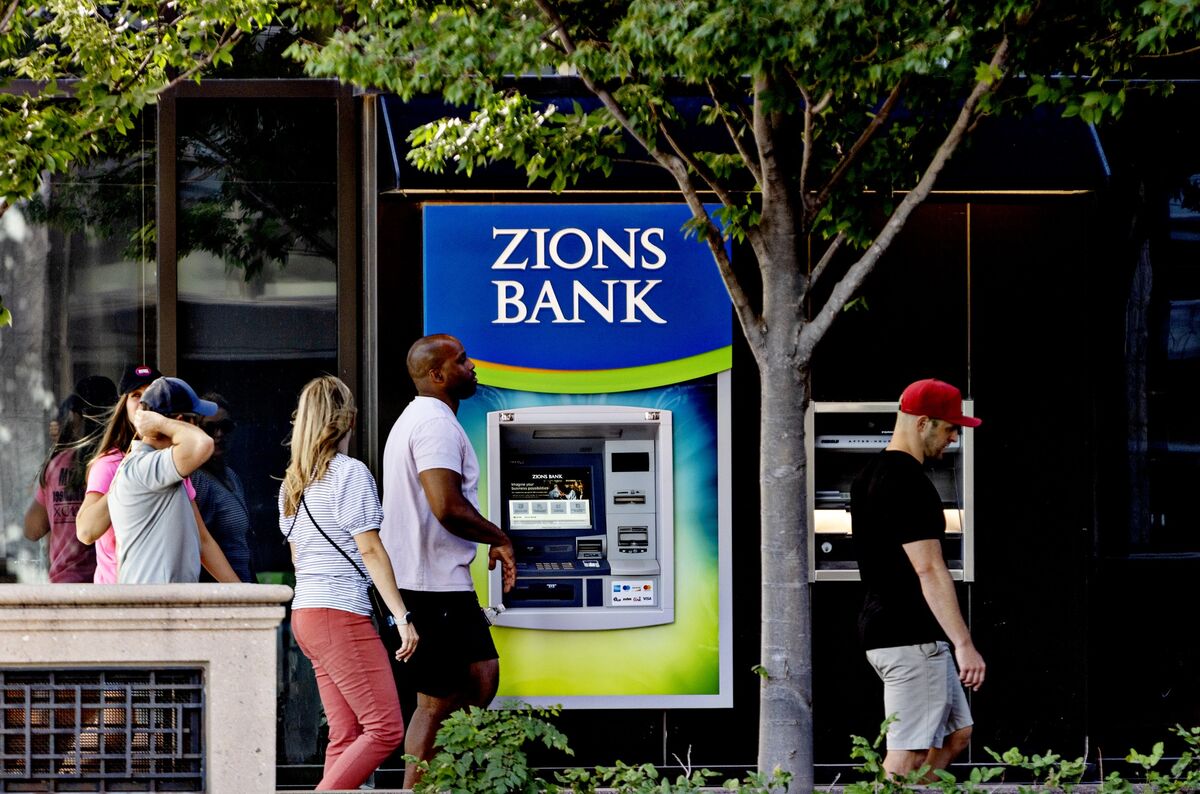
Despite mentions of financial institutions like Zions and JPMorgan, the article's neutral sentiment and low market impact score indicate no specific positive or negative implications for these entities. Instead, the discussion reinforces the stability of the broader banking and real estate sectors concerning transactional security.
AI-powered research, real-time alerts, and portfolio analytics for institutional investors.
Request DemoOverall Sentiment
neutral
Sentiment Score
0.00
Ticker Sentiment
