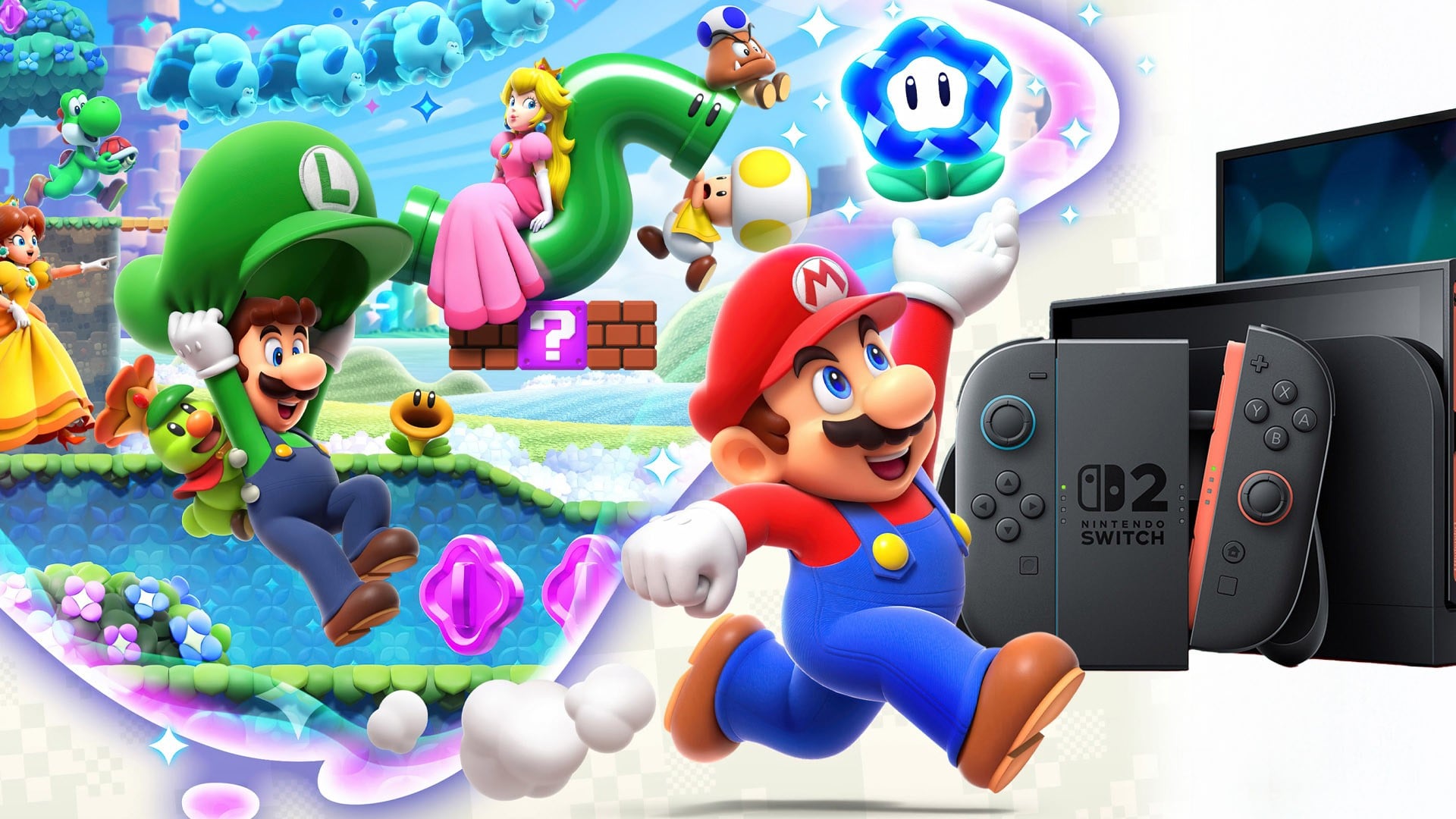
The Switch 2 Edition of Super Mario Wonder adds native 4K TV rendering and native 1080p handheld output with a locked 60fps (no 120fps) and includes a new multiplayer-focused map (Bellabel Park) and other multiplayer mini-games packaged as roughly a $20 upgrade. Quality and visuals make this the definitive version, but limited new single-player content means the paid upgrade is unlikely to drive material near-term revenue upside for Nintendo as many existing owners may skip repurchasing.
Nintendo’s delivery of a modest-but-priced “definitive” re-release highlights a deliberate catalog monetization strategy: incremental technical polish plus focused multiplayer content sold as a paid upgrade. That approach compresses the marginal value of console upgrades — if consumers can get a near-definitive experience via paid DLC rather than full sequels or new purchases, hardware replacement cycles lengthen and per-user software spend replaces new-console-driven sales. Expect this to blunt near-term hardware attach growth but raise lifetime revenue per installed unit by low-double-digit percentage points for titles that scale with multiplayer and cross-buy behavior.
A second-order effect sits in platform signaling to third-party developers and silicon partners. Nintendo’s conservative adoption of modern rendering/acceleration features reduces immediate incentive for middleware vendors and AAA third-parties to prioritize Switch 2-specific parity work, which could slow high-margin port volumes and dampen accessory/SoC component reorders over the next 6–18 months. Conversely, the sustained emphasis on tightly curated, replayable multiplayer minigames creates recurring revenue opportunities for peripherals, microtransaction frameworks, and second-hand hardware markets that capture short-cycle demand spikes around social play seasons.
Near-term catalysts include holiday bundle promotions, first-party release cadence for genuinely new single-player entries, and any change in Nintendo’s dev guidance around high-refresh or modern GPU features — each able to swing sentiment quickly. Tail risks: a consumer backlash to paid “upgrades” or a discernible slowdown in Switch 2 attach would compress revenues for 2–4 quarters; upside surprise would come from a hit first-party sequel that reaccelerates adoption and forces component orders to re-rate supply-chain beneficiaries within 3–6 months.
AI-powered research, real-time alerts, and portfolio analytics for institutional investors.
Request DemoOverall Sentiment
mixed
Sentiment Score
0.05
