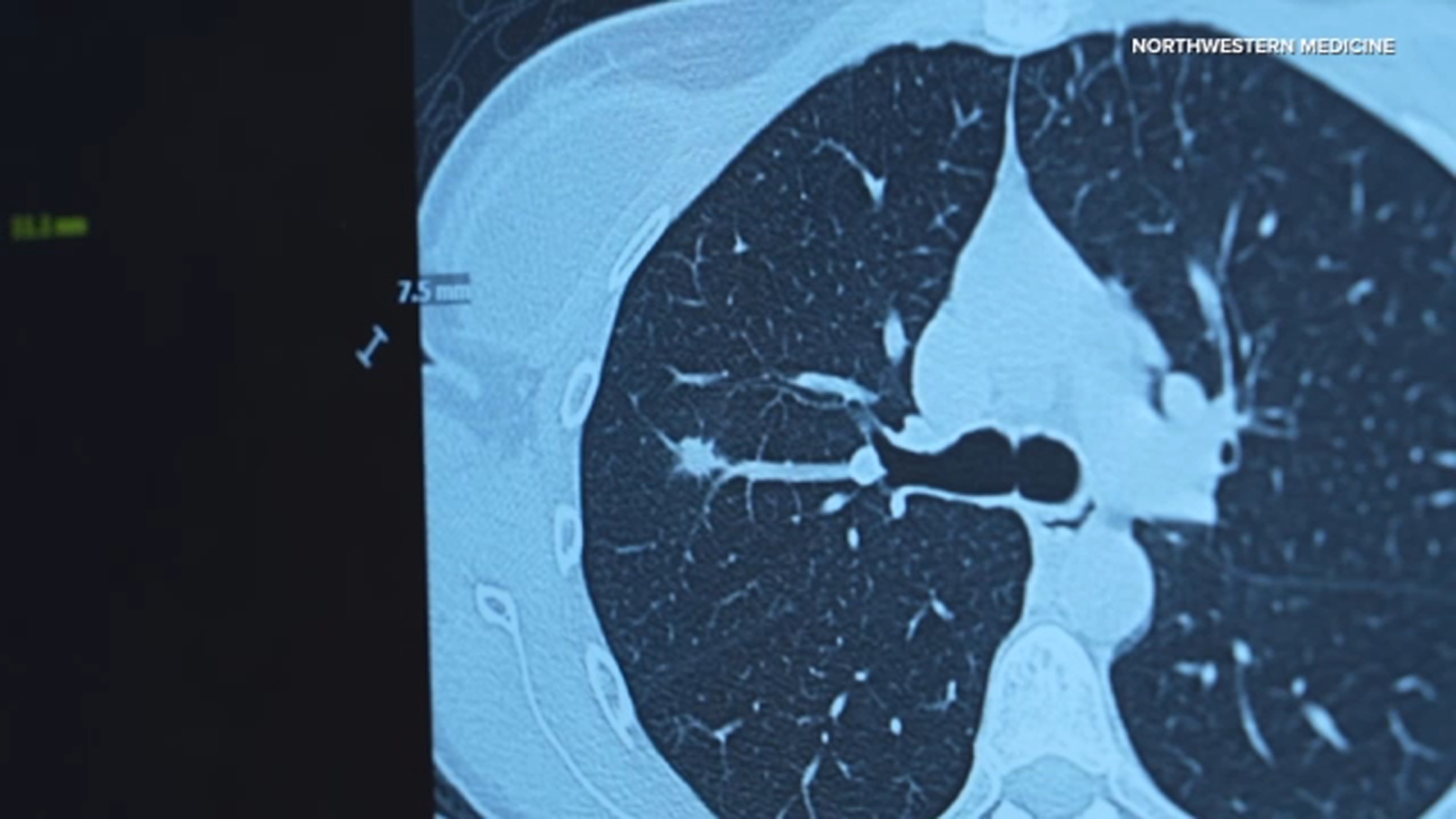
Northwestern Medicine is opening a comprehensive Lung Health Center to expand low-dose CT screening after an internal review of nearly 1,000 consecutive lung-cancer patients found only 35% would have met current U.S. Preventive Services Task Force screening criteria and that nearly 80% of cases are diagnosed at advanced stages; researchers say the current 50+-and-smoker-based guidelines miss two-thirds of patients and disproportionately affect women and non-smokers. Northwestern clinicians, led by Dr. Ankit Bharat, argue lowering the screening age to around 40 and moving away from strictly risk-based eligibility could allow detection of more than 80% of lung cancers at an early stage, potentially improving outcomes. The center will offer quick, dye-free low-dose CT scans that create lifetime baseline chest images, though screening for non-smokers under 50 is not universally covered and may be out-of-pocket, while Northwestern is offering some free screenings.
Northwestern Medicine is opening a comprehensive Lung Health Center to expand low-dose CT screening after an internal review of nearly 1,000 consecutive lung-cancer patients found only 35% would have met current U.S. Preventive Services Task Force (USPSTF) criteria and that nearly 80% of cases are diagnosed at advanced stages. The current USPSTF recommendation cited by Northwestern is annual screening for adults 50 and older who smoke or quit within the last 15 years, a criterion the hospital’s clinicians say excludes two thirds of their patients and disproportionately misses women and non-smokers.
Dr. Ankit Bharat and Northwestern researchers argue that lowering the screening age to about 40 and moving away from strictly risk-based eligibility could allow detection of more than 80% of lung cancers at early stages; Northwestern’s scans are described as sub-10-second, dye-free low-dose CTs that create a lifetime baseline image. Practical constraints remain: screenings for non-smokers under 50 are not universally covered and will often be out-of-pocket, although Northwestern is offering some free screenings to bridge access.
For investors, this development signals potential increases in demand for imaging capacity, diagnostic services, and early-detection workflows if guidelines or payer policies shift, but reimbursement uncertainty and scalability of free programs are immediate risk factors to monitor.
AI-powered research, real-time alerts, and portfolio analytics for institutional investors.
Request DemoOverall Sentiment
mildly positive
Sentiment Score
0.32
