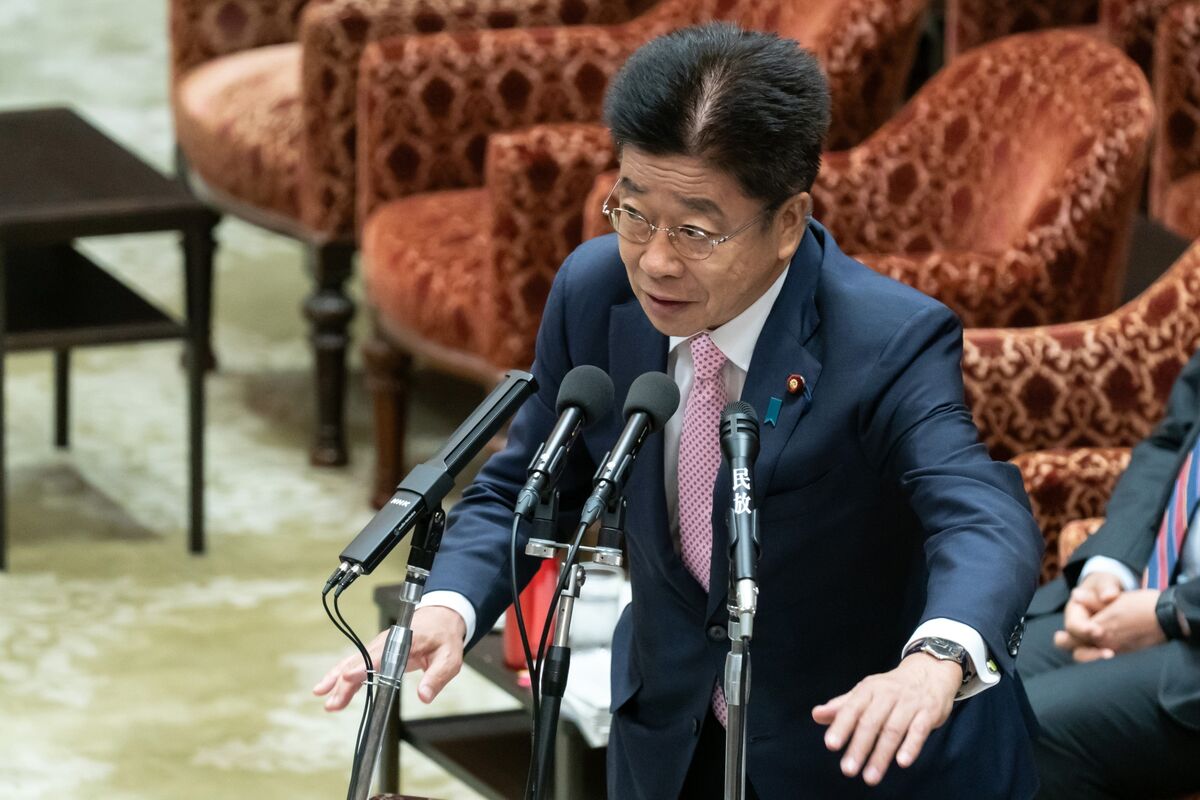
Japan's Finance Minister Katsunobu Kato rejected a U.S. proposal to impose higher tariffs on China and India for importing Russian oil, citing Japan's commitment to World Trade Organization (WTO) rules on fair treatment and stipulated tariff limits. This decision highlights a divergence among allies regarding economic pressure tactics against Russia, with Japan prioritizing adherence to international trade obligations over immediate geopolitical measures.
Japan has formally pushed back against a US proposal to impose higher tariffs on nations like China and India for importing Russian oil, signaling a significant divergence in geopolitical economic strategy. Finance Minister Katsunobu Kato explicitly cited Japan's commitments under the World Trade Organization (WTO) framework, which mandate fair treatment of member countries and prohibit tariffs beyond stipulated limits. This decision underscores a potential schism among allied nations, with Japan prioritizing adherence to established international trade law over the implementation of ad-hoc punitive measures against Russia's trade partners. The development suggests that the cohesiveness of the G7's economic pressure campaign may be strained, potentially limiting the scope and impact of future sanctions and highlighting the complexities of balancing geopolitical objectives with long-standing trade agreements.
AI-powered research, real-time alerts, and portfolio analytics for institutional investors.
Request DemoOverall Sentiment
mixed
Sentiment Score
-0.10
