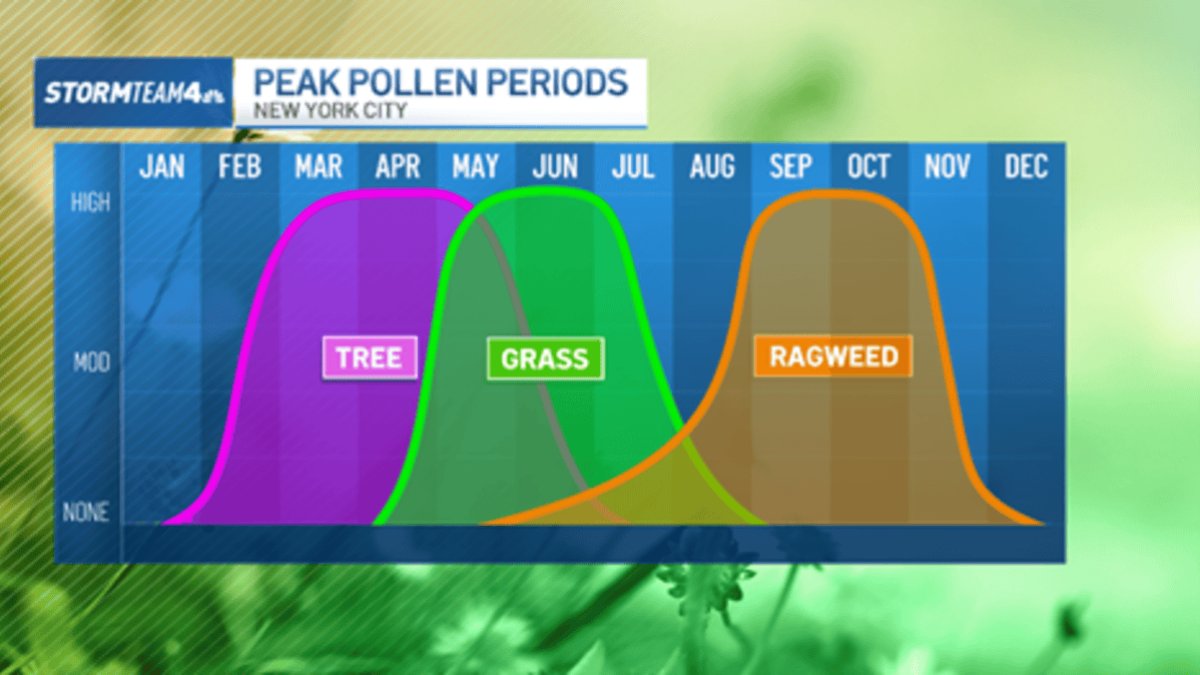
Tree pollen has been high since mid‑March and will remain elevated through April, tapering in May; grass pollen then becomes dominant and stays intense from May through July before easing in August ahead of ragweed season. A late cold winter delayed onset but recent warm temperatures triggered full tree blooms. Longer growing seasons due to global warming have extended allergy seasons in recent decades, which could raise seasonal demand for allergy treatments but carries no immediate market-moving implications.
A multi-week, secular lengthening of the allergy window behaves like an expansion of the addressable season for symptomatic care and adjacent products — not a one-off spike. For manufacturers and retailers, that converts once-a-year episodic purchase behavior into repeated seasonal purchases, magnifying front-store sales, SKU velocity and promotional leverage across a 2–4 month concentrated window. Distribution hubs and urgent-care footprint owners capture disproportionate margin because they sell high-frequency, low-ticket items with outsized cross-sell into immunotherapy/clinic services.
Second-order winners include lawn-care inputs and landscaping services and indoor air-quality vendors: longer green seasons increase demand for lawn treatments and filter replacement cycles, shifting spend from discretionary spring-only buys to repeat purchases across spring and summer. Risks to revenue are highly weather-dependent on a sub-quarter basis (cooler/wetter months can wipe out seasonal sales), but on a 2–5 year horizon the climate signal is structural and can re-rate companies with durable consumer franchises. Competitive pressure will come via generics, retailer private labels and any incremental OTC pricing wars — incumbents with branded loyalty and scale will defend margins best.
A contrarian lens: the market underprices the cross-category elasticity — consumers who buy allergy meds are also more likely to upgrade home filtration and use professional lawn services, creating bundled upsell opportunities that management teams can monetize quickly. This makes distribution and retail plays less binary than pharma-only exposures; the fastest wins are operational (shelf space, bundle promotions, clinic scheduling) rather than drug innovation. Near-term catalysts to watch: weather anomalies (days–weeks), promotional cadence (quarters) and any biotech approvals for disease-modifying immunotherapies (years).
AI-powered research, real-time alerts, and portfolio analytics for institutional investors.
Request DemoOverall Sentiment
neutral
Sentiment Score
0.00
