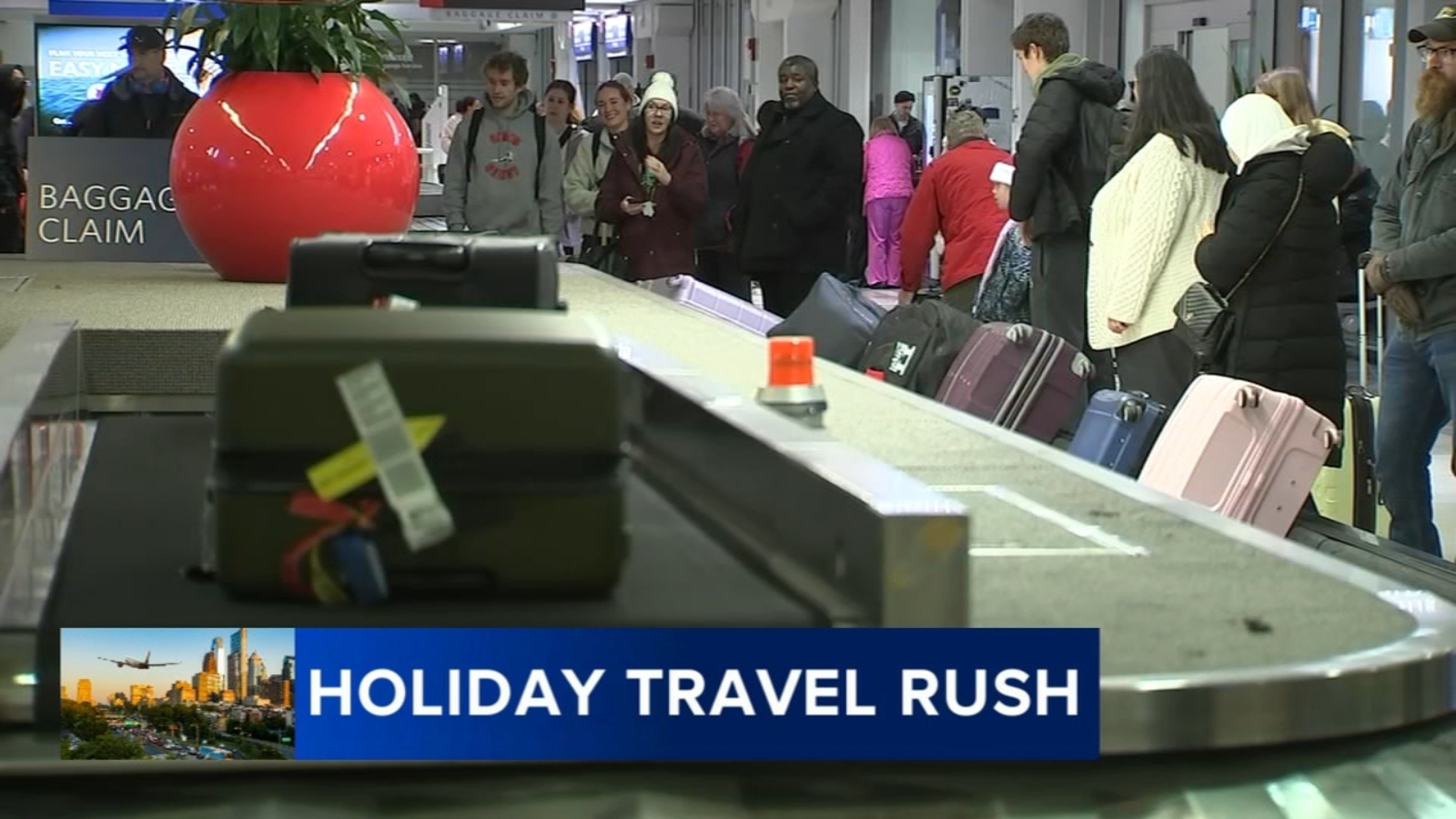
Philadelphia International Airport expects over one million passengers between Dec. 23 and Jan. 4, a 5% year-over-year increase with the busiest days projected the Friday, Saturday and Monday following Christmas. Travelers reported generally smooth operations despite high volumes, and airport guidance to pack gifts unwrapped aims to speed security screening. The elevated holiday traffic suggests modest upside to airline and airport concession revenues in the near term but is unlikely to be market-moving on its own.
Market structure: A 5% YoY uptick and >1m passengers at PHL between Dec 23–Jan 4 signals concentrated, above-normal leisure demand that directly benefits hub airlines (American Airlines - AAL), ground-transport (Uber UBER, Avis CAR) and nearby hotels (MAR, HLT). Airport concessionaires and parking/rental car revenues should see margin-accretive upside on peak days (Fri–Mon after Christmas) as yields per passenger rise by low-single-digit percentages; cargo and long-haul premium segments see less incremental benefit.
Risk assessment: Near-term tail risks are operational (Northeast winter storms, crew shortages) and regulatory (consumer refunds/comp claims) that can flip gains into losses within 24–72 hours; probability of a weather disruption in winter months is non-trivial (~10–25% per major storm model). Medium-term (weeks–months) risks include jet-fuel price spikes that erode airline margins and persistent staffing constraints limiting throughput; long-term (quarters) the trend supports higher services spending but is sensitive to recession risk.
Trade implications: Tactical overweight travel & transportation equities with tight risk controls: short-dated bullish exposure to hub carriers and rideshare, paired with small energy call-spread hedges for jet-fuel upside. Prefer relative-value (UBER vs LYFT) and avoid naked directional airline options into known weather windows; target holding periods of 2–12 weeks with explicit stop-losses tied to cancellation metrics.
Contrarian: Consensus treats holiday spikes as transitory; data suggest structural leisure resilience—ancillary fees and airport capture rates are underpriced into airline forecasts. The mispricing risk is that a single weather event or fuel move can compress expected gains quickly; therefore size positions modestly (1–3% each) and use event-triggered unwind rules tied to NOAA forecasts and TSA/cancellation thresholds.
AI-powered research, real-time alerts, and portfolio analytics for institutional investors.
Request DemoOverall Sentiment
mildly positive
Sentiment Score
0.25
