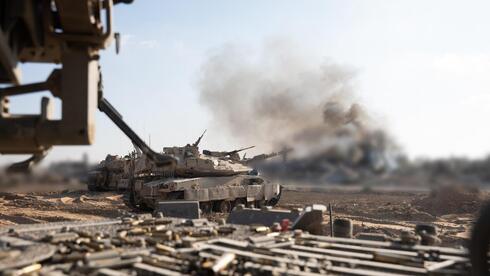
Israeli forces in Rafah killed four militants overnight after they emerged from a tunnel, which the IDF says may include the Hamas battalion commander, his deputy and a company commander; roughly 40 militants have been killed in the area in recent weeks as troops systematically dismantle the Rafah tunnel network. Recent operations—supported by airstrikes, engineering units and infantry—also saw nine and six militants killed in prior incidents, plus multiple arrests, and a captured fighter reported about 30 operatives and 10 bodies remaining in the tunnels. The IDF says forces remain deployed under the ceasefire agreement and are applying sustained pressure to force surrender or eliminate threats. For investors, the events heighten localized geopolitical risk and underscore ongoing military pressure in southern Gaza but are unlikely to move broad markets absent a wider regional escalation.
Market structure: Near-term winners are defense primes (LMT, NOC, RTX) and ammunition/ordnance suppliers; energy (XOM, CVX, XLE) is a second-order beneficiary if shipping or regional escalation raises crude prices 3–8% within weeks. Losers include travel/leisure (JETS, DAL, LUV) and regional EM assets tied to tourism and shipping lanes. FX and rates: expect a risk-off bid into USD and JPY and a temporary Treasury rally (10y down ~10–25 bps) while implied volatility in oil and defense equities rises 20–40%.
Risk assessment: Tail risks include rapid regional escalation (probability low-medium, impact high) that could push Brent >$90 and widen insurance premiums for shipping, and cyber/retaliatory attacks on infrastructure that compress trade flows. Time horizons: immediate (days) — volatility spikes; short-term (weeks–months) — oil/insurance premia and defense order visibility; long-term (quarters) — budget reallocations and supply-chain constraints for munitions/semiconductors. Hidden dependencies include munitions supply bottlenecks (propellant, specialized steel) and export-control politics that could cap upside for primes.
Trade implications: Tactical: overweight top defense names for 6–12 months (2–4% portfolio tilt), hedge with short-dated puts sized to limit drawdown; energy tactical buys if Brent breaches $80 WTI. Use options to express view: buy 3–6 month call spreads on XOM/XLE (5%/10% OTM) to cap cost and buy implied-volatility protection on defense via 3-month call calendars. Rotate out of travel/leisure: trim 20–40% immediately and consider 1–2 month puts on JETS if IV < historical 90-day avg.
Contrarian angles: Consensus may overprice a permanent defense windfall — procurement cycles and budget politics mean revenue recognition will be lumpy; a strong mean reversion is possible after an initial 10–20% run. Historical parallels (localized conflicts 2006/2014) show commodity and defense spikes often reverse within 3–6 months absent wider war. Unintended winners: specialty semiconductors and cyber names (LRCX, FTNT, PANW) could see durable demand; set re-entry if oil normalizes below $75 or 10y yields fall below 2.6%.
AI-powered research, real-time alerts, and portfolio analytics for institutional investors.
Request DemoOverall Sentiment
moderately negative
Sentiment Score
-0.45
