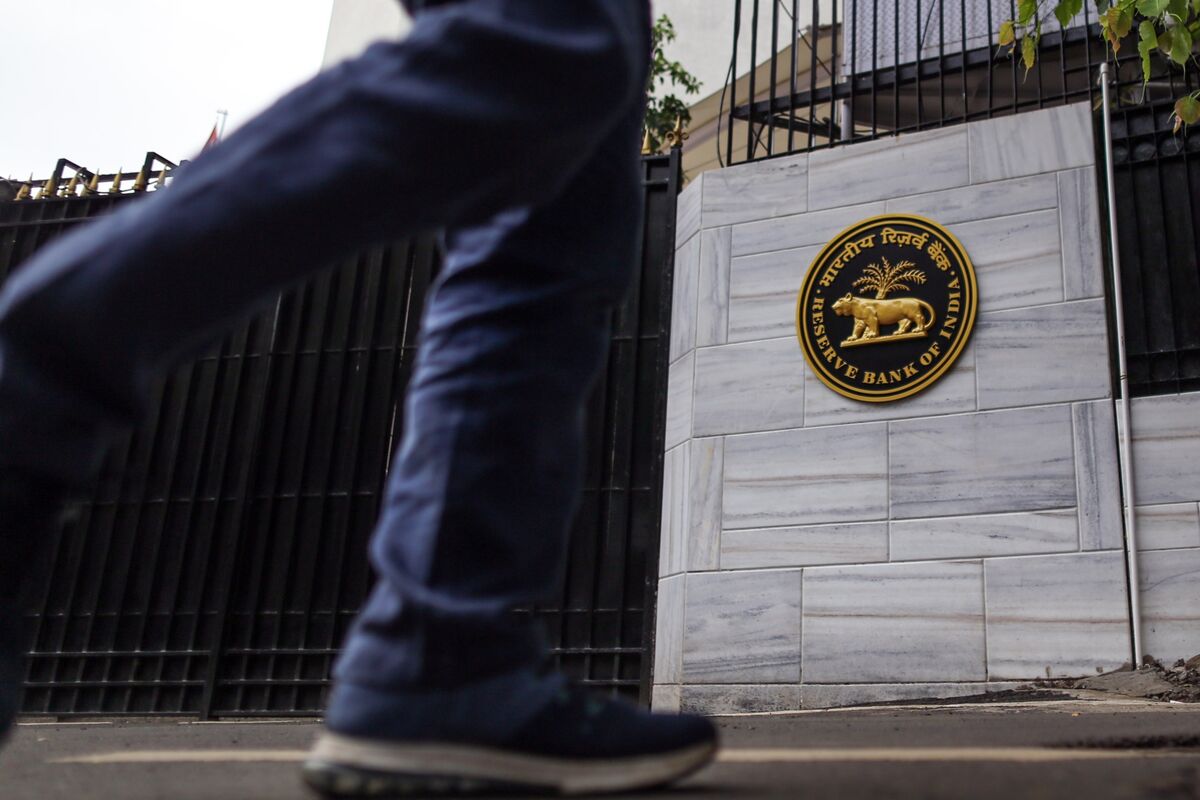
Indian banks have privately informed the Reserve Bank of India (RBI) that their capacity to purchase state government bonds is diminishing, as their existing portfolios are nearing internal limits for such holdings. This development indicates potential constraints on state borrowing programs and could necessitate a policy response from the RBI to ensure continued market liquidity for state debt.
Major Indian banks have privately communicated to the Reserve Bank of India (RBI) that their capacity to absorb additional state-issued bonds is severely limited. This constraint stems from their investment portfolios approaching internal exposure limits for State Development Loans (SDLs). This development signals a significant potential headwind for the borrowing programs of Indian states, as banks are the primary purchasers of this debt. A structural reduction in demand from this key investor base could lead to a supply-demand imbalance, potentially forcing state governments to offer higher yields to clear auctions and fund their budgets. The situation places the onus on the RBI to potentially intervene, whether through regulatory adjustments concerning bond portfolio limits or other liquidity measures, to ensure the orderly functioning of the SDL market and prevent a sharp rise in borrowing costs for states. The cautious nature of this communication underscores a growing risk in the domestic sovereign debt market that could impact fiscal stability at the state level.
AI-powered research, real-time alerts, and portfolio analytics for institutional investors.
Request DemoOverall Sentiment
moderately negative
Sentiment Score
-0.50
