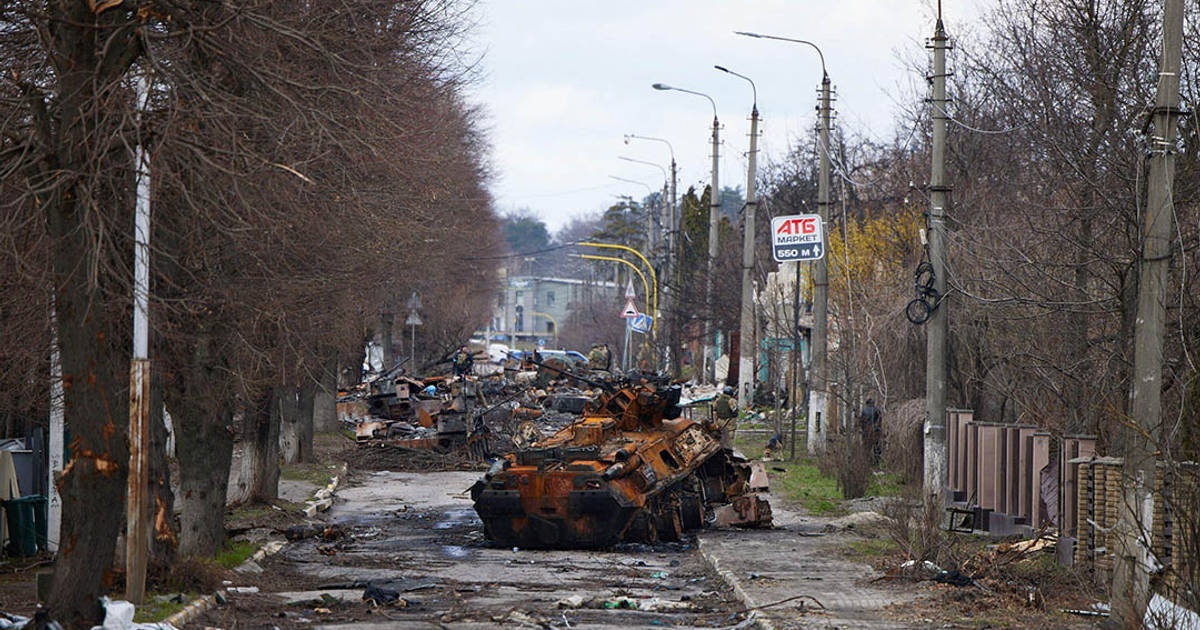
Russia is likely to sustain its full-scale invasion through 2026–27 absent significantly higher casualties or greater economic pain, with Kremlin defense spending around $500 billion/year (PPP) enabling continued operations. Washington has curtailed meaningful military assistance and is pressing for a ceasefire that would cede critical Ukrainian defensive terrain, while Europe is rearming but faces political and migration pressures after Russia’s targeted damage to Ukraine’s energy grid. Implication for investors: prolonged conflict and divergent US–EU policies raise upside risks for defense suppliers, volatility in European energy and refugee-sensitive sectors, and downside risks to Russian credit prospects as reserves fall and debt rises.
Market structure: Persistent high-intensity conflict through 2026 favors defense primes (LMT, RTX, NOC, ETF ITA), LNG exporters (LNG, QAT sovereign sellers) and commodity producers (Brent crude, agricultural and base metals). European utilities, leisure/airlines and trade-exposed banks will see margin pressure and widened sovereign spreads (expect +50–150bp on peripheral EU spreads if escalation persists over 6–12 months). Munitions and heavy-arms producers gain pricing power as inventories tighten; expect real shortages in guided munitions and 155mm shells for 6–18 months.
Risk assessment: Tail risks include NATO escalation or tactical nuclear use (low probability 1–5% but systemic), sudden US policy reversal restoring aid within 30–90 days (medium prob 20–30%) or EU enforcement against Russia’s shadow fleet triggering shipping shocks. Near-term (days–weeks): energy and FX volatility spikes; short-term (months): sovereign spreads and inflationary impulse; long-term (12–36 months): structural defense capex lift and supply-chain re-shoring for munitions and microelectronics. Hidden dependency: European munitions scale-up relies on US components and Asian electronics — a chokepoint for production ramp.
Trade implications: Go overweight defense and LNG, underweight European travel and selective EU financials. Use 6–12 month call spreads on LMT/RTX sized 2–4% AUM to capture 15–30% upside if conflict persists; purchase 6–18 month Brent call spreads or BNO long for a tactical 3% position (stop if Brent drops >$15 from entry or ceasefire signed). Hedge macro tail with 1–2% GLD and 2–3% UUP; sell short European airline ETF (JETS) vs long ITA as a pair for asymmetric risk.
Contrarian angles: Consensus underprices reconstruction and industrial cyclicals that benefit if conflict becomes protracted — steel, cement and construction-equipment names (Caterpillar CAT) can outperform after initial defense rallies. Reaction could be overdone in oil if markets price perpetual supply disruption; a negotiated pause would deflate energy risk premia quickly (brent down >$20 in weeks). Unintended consequence: a US-driven quick ceasefire would cause sharp mean-reversion in defense and energy; keep time-limited option structures and explicit event triggers (US congressional votes, EU enforcement actions) as cutoffs.
AI-powered research, real-time alerts, and portfolio analytics for institutional investors.
Request DemoOverall Sentiment
strongly negative
Sentiment Score
-0.65
