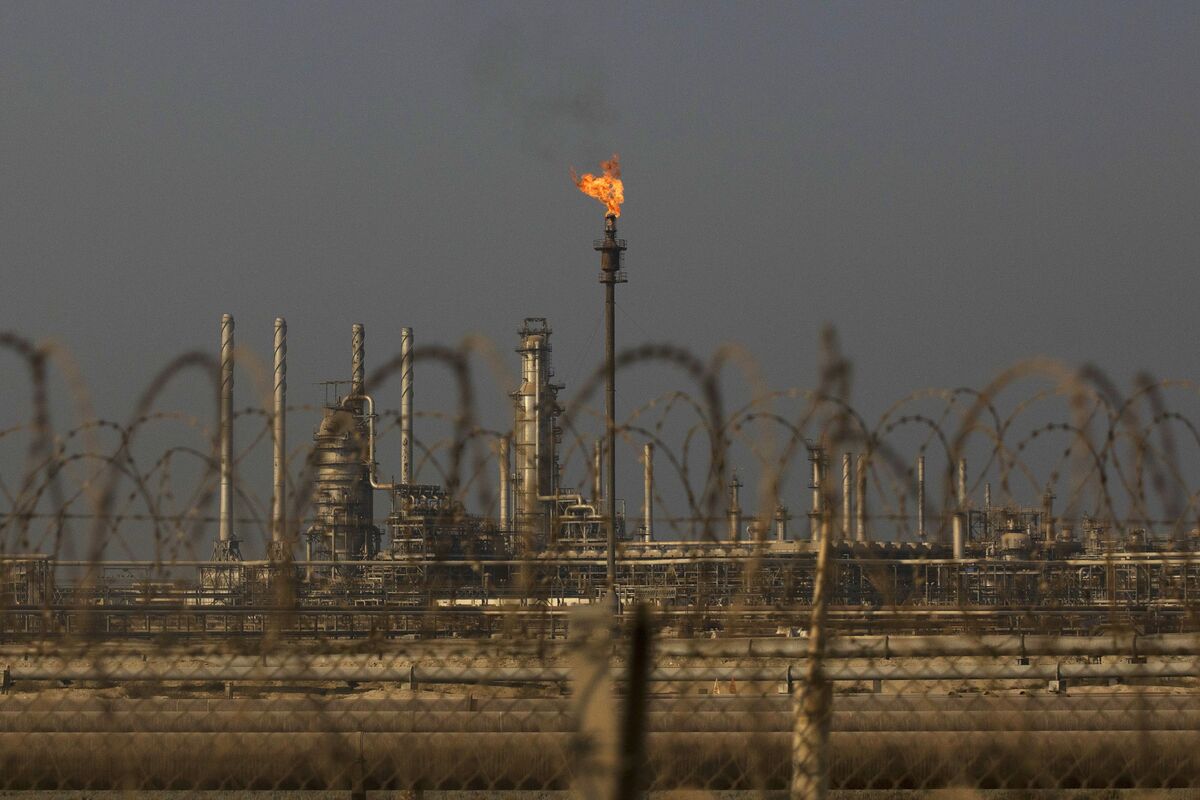
Oil traders anticipate OPEC+ will maintain current crude production levels at its upcoming weekend meeting, pausing after an accelerated restoration of 2.2 million barrels per day of output. This expected decision comes as the International Energy Agency forecasts a significant market surplus by year-end, suggesting the group aims to stabilize supply amidst evolving demand-supply dynamics despite delegates sending mixed signals.
Oil traders widely anticipate that OPEC+ will maintain current crude production levels at its upcoming meeting, signaling a pause after an accelerated supply ramp-up. This follows the group's completion of restoring 2.2 million barrels per day of output, a milestone reached a full year ahead of its original schedule. The decision to hold steady is being made in a complex environment characterized by conflicting signals; while recent demand has proven resilient, the International Energy Agency forecasts the emergence of a significant market surplus by the end of the year. This underlying uncertainty, reflected in a mixed sentiment signal, is amplified by varied messages from OPEC+ delegates, indicating a lack of clear consensus and suggesting the group is adopting a cautious wait-and-see approach to gauge the impact of its previous supply additions.
AI-powered research, real-time alerts, and portfolio analytics for institutional investors.
Request DemoOverall Sentiment
mixed
Sentiment Score
0.00
