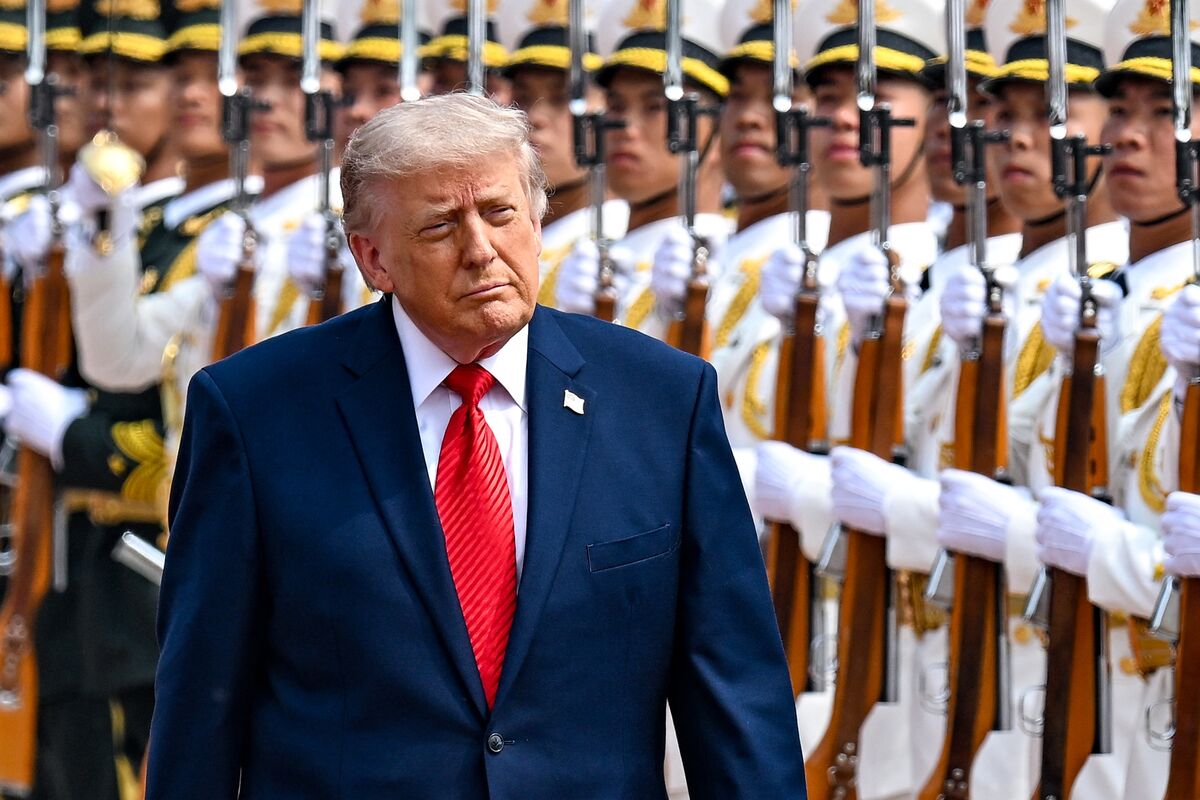
Trump said recovering Iran’s highly enriched uranium is "more for public relations than anything else," while reaffirming the US objective of removing the nuclear material. He suggested the mission may be unnecessary given round-the-clock US surveillance. The article is mainly geopolitical commentary with limited immediate market impact.
The market read-through is less about the uranium itself and more about how quickly the administration is signaling that this file can be converted from operational issue to political theater. That matters because once an issue is framed as optics-first, the probability rises that the next move is calibrated for domestic audiences rather than military efficacy, which tends to reduce the odds of immediate escalation but increase headline volatility around every related statement. Second-order beneficiaries are defense primes and ISR/surveillance platforms, not because of near-term revenue changes, but because sustained “we are watching” rhetoric extends the budget narrative for sensors, space-based monitoring, and strike enablement. The more important loser is any asset premised on a swift de-escalation premium in Middle East risk: shipping, energy, and EM risk assets may see less directional follow-through if investors conclude this is primarily signaling rather than a prelude to action. The main catalyst window is days to weeks, not months. If the administration keeps emphasizing monitoring over extraction, the market should fade the immediate tail-risk premium; if rhetoric hardens into verification demands or allied coordination, the odds of sanctions tightening and covert-action headlines rise quickly. The contrarian view is that dismissing the uranium issue as PR can be dangerous: if the White House is intentionally downplaying operational seriousness, that can be a setup for a later, sharper move once political cover is established. For portfolios, the cleanest expression is to own defense names on dips while fading broad energy panic unless there is evidence of logistics disruption. The risk-reward is asymmetric toward short-dated volatility rather than outright directional exposure, since the policy signal is ambiguous but headline sensitivity is high.
AI-powered research, real-time alerts, and portfolio analytics for institutional investors.
Request DemoOverall Sentiment
neutral
Sentiment Score
-0.05
