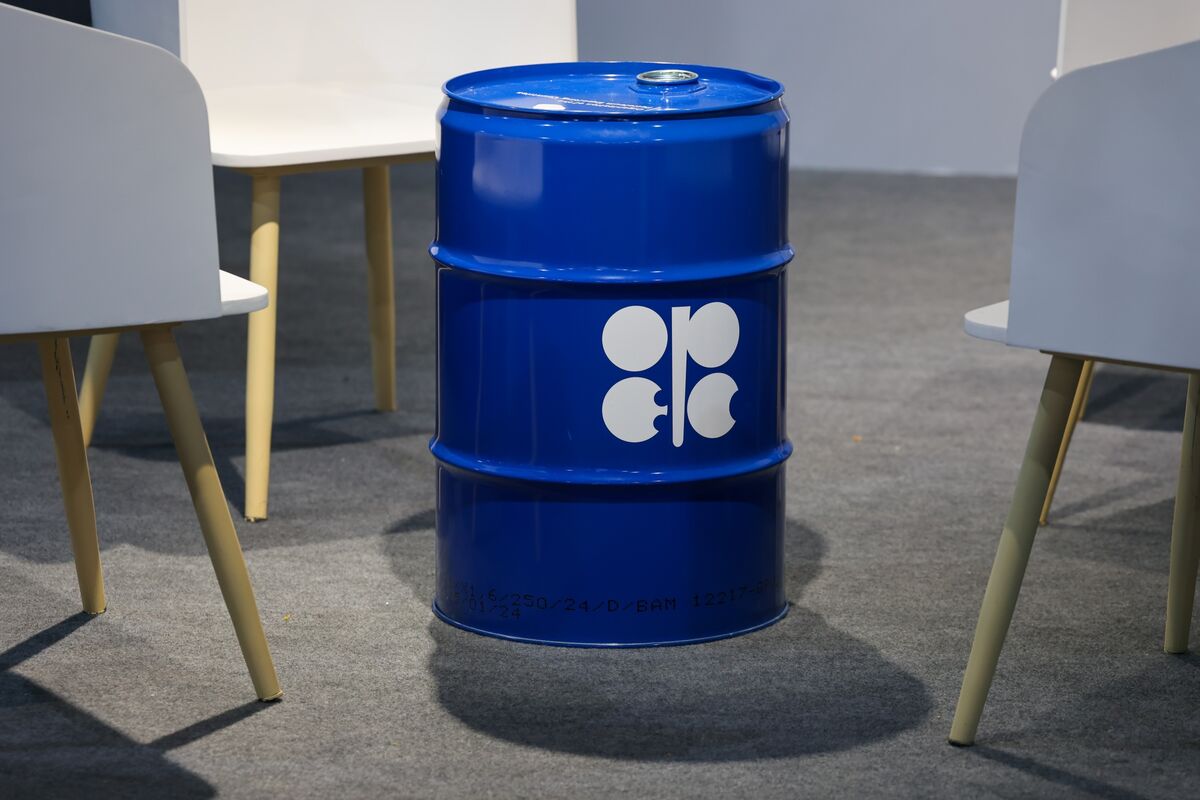
OPEC+ surprised global markets over the weekend by announcing plans to significantly boost oil production by more than half a million barrels per day. This decision comes at a time when investors are already expressing concerns about potential oversupply, raising questions about the coalition's strategy and its implications for oil prices and market balance.
OPEC+ has introduced significant uncertainty into global energy markets with its unexpected decision to increase oil production by more than half a million barrels per day. This move directly counters prevailing investor sentiment, which, as indicated by a moderately negative sentiment score of -0.4, is already focused on the risk of oversupply. The coalition's action represents a strategic wager that global demand will strengthen sufficiently to absorb the additional supply, a thesis not currently shared by the market. The high market impact score of 0.7 underscores the potential for this supply-side shock to create considerable price volatility and exert downward pressure on crude oil prices in the near term, challenging the prevailing market balance.
AI-powered research, real-time alerts, and portfolio analytics for institutional investors.
Request DemoOverall Sentiment
moderately negative
Sentiment Score
-0.40
