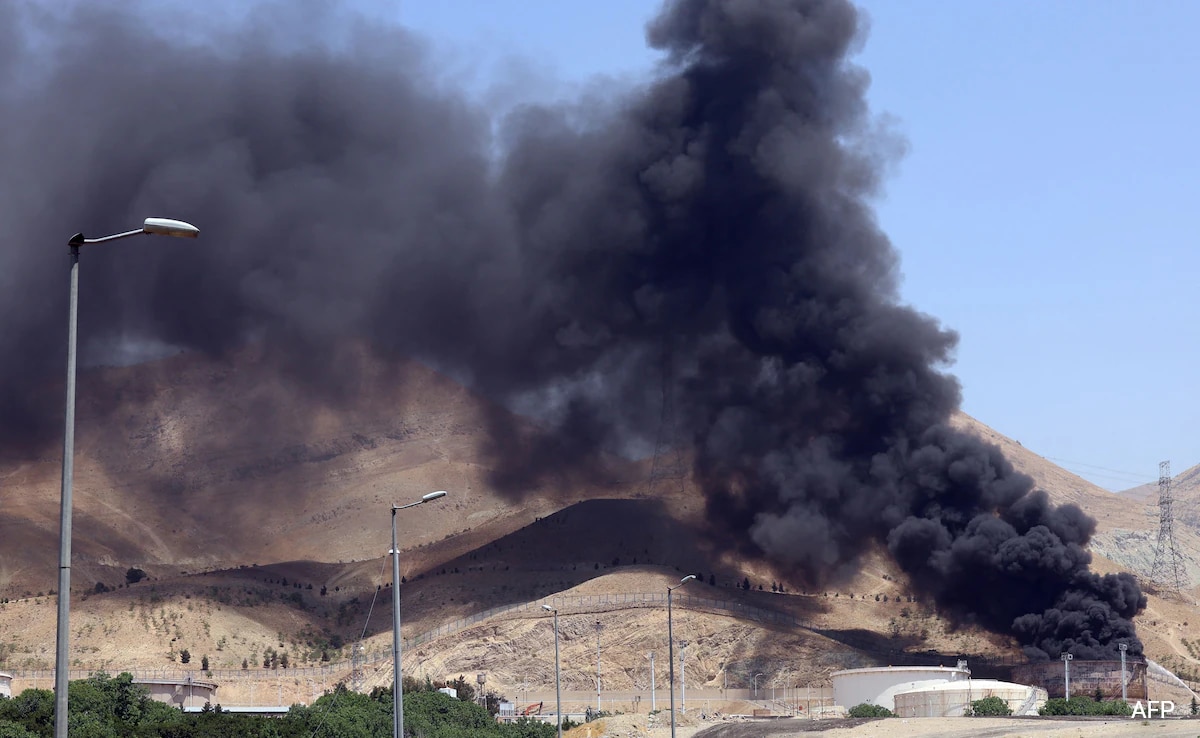
5,000–7,000 US ground troops have been reported mobilised for a possible offensive into Iran (including ~2,500 82nd Airborne paratroopers, USS Tripoli with ~2,500 Marines and USS Boxer with ~2,200 Marines). Iran’s terrain — Zagros and Alborz mountain ranges, central deserts (Dasht-e Kavir, Dasht-e-Lut) — and coastal fortifications around Kharg (exports ~2.0m bpd) and the Hormuz islands make manoeuvre warfare costly and increase likelihood of a protracted, high-cost campaign akin to Afghanistan/Iraq. Market implication: material risk to global oil flows via the Strait of Hormuz (and secondary pressure at Bab al-Mandeb), supporting a significant near-term risk premium on energy and shipping markets.
The geography-driven thesis implies this will be a campaign of attrition, not a quick decapitation: planners face a high probability (>50%) that operations stretch beyond 3 months, which mechanically raises sustained demand for precision munitions, electronic warfare, naval sustainment and expeditionary logistics. Expect procurement budgets and emergency buy programs to kick in within 30–90 days and to persist across a 12–24 month window if Iran successfully denies chokepoints intermittently.
Energy and shipping channels are the clearest transmission mechanisms to markets. A partial or intermittent squeeze of Hormuz and Bab al-Mandeb elevates a shipping-risk premium that can double certain tanker charter rates within weeks; rerouting around Africa increases voyage time/costs by 20–40% and keeps freight spreads wide for 3–12 months. Traders should price in episodic $5–15/bbl volatility shocks tied to short-lived closures or Houthi escalations.
Second-order winners include specialist maritime insurers, expeditionary logistics contractors and turreted-vehicle/armor suppliers; losers are regional tourism/air routes, Gulf transshipment hubs and precious just-in-time supply chains for European refiners reliant on Mideast crude. Politically, dependence on host-nation basing elevates asymmetric policy risk (sanctions, anchoring fees) for the next 6–18 months, which will favor firms with diversified federal contracts and stockpile/logistics capabilities.
The consensus is skewed toward an immediate full-scale land war; a contrarian read is that the US may use highly targeted amphibious/heli operations and precision strikes to achieve narrow objectives while avoiding a protracted occupation. In that scenario defense capex still rises but equity upside is concentrated in sustainment and munitions suppliers rather than large-scale heavy-equipment makers, and market repricing should be tradable inside 3–6 months.
AI-powered research, real-time alerts, and portfolio analytics for institutional investors.
Request DemoOverall Sentiment
strongly negative
Sentiment Score
-0.60
