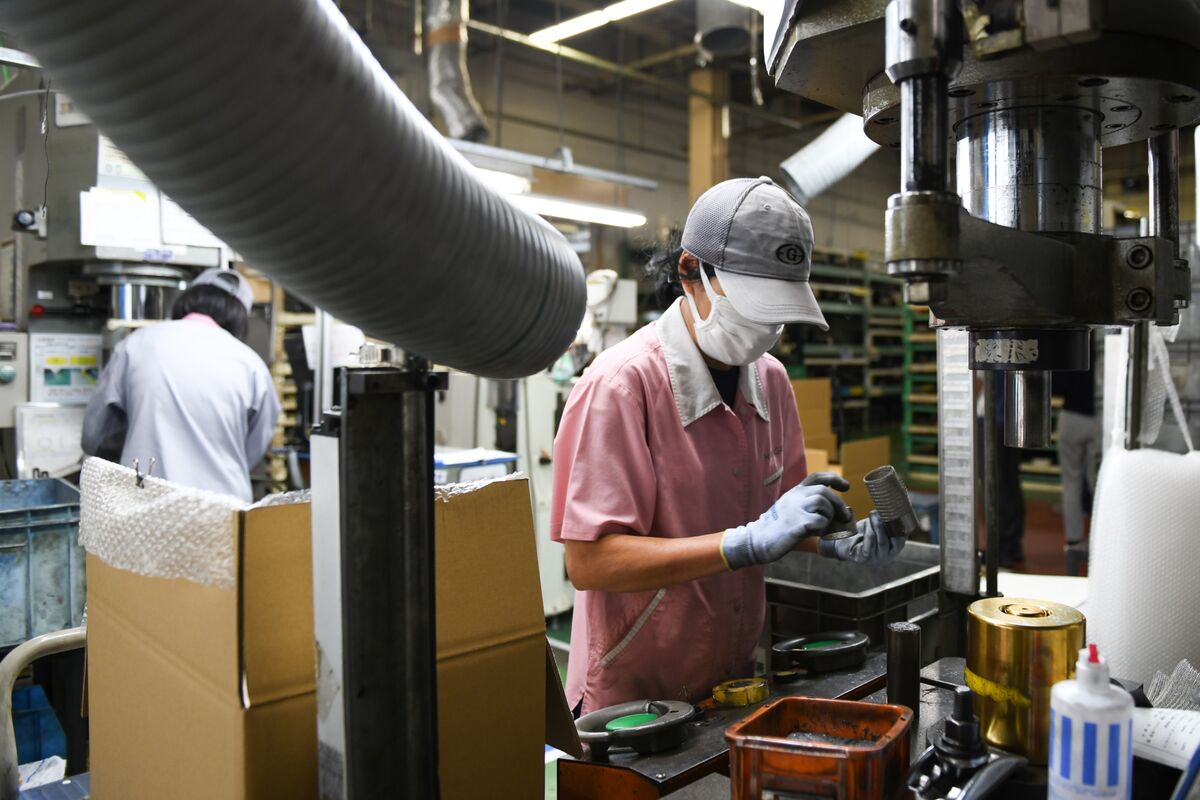
President Trump has signed an executive order formalizing a trade agreement with Japan, establishing a maximum 15% tariff on most Japanese products, including automobiles and parts. This directive prevents the stacking of country-specific duties on top of existing levies, providing clarity and a defined cap on import costs for US businesses sourcing from Japan, particularly impacting the automotive sector.
President Trump has formalized a trade agreement with Japan via an executive order, setting a maximum 15% tariff on most Japanese imports, including automobiles and auto parts. This action concludes negotiations that began in July, replacing a period of uncertainty with a defined tariff structure. A critical provision of the directive prevents the stacking of these new country-specific duties on top of existing levies, effectively capping the potential tariff burden for US importers. While the imposition of a 15% tariff represents a new cost for supply chains reliant on Japanese goods, particularly within the automotive sector, the finalization of the deal and the explicit cap on duties provide much-needed clarity and predictability, mitigating the risk of unforeseen tariff escalations.
AI-powered research, real-time alerts, and portfolio analytics for institutional investors.
Request DemoOverall Sentiment
mixed
Sentiment Score
-0.10
