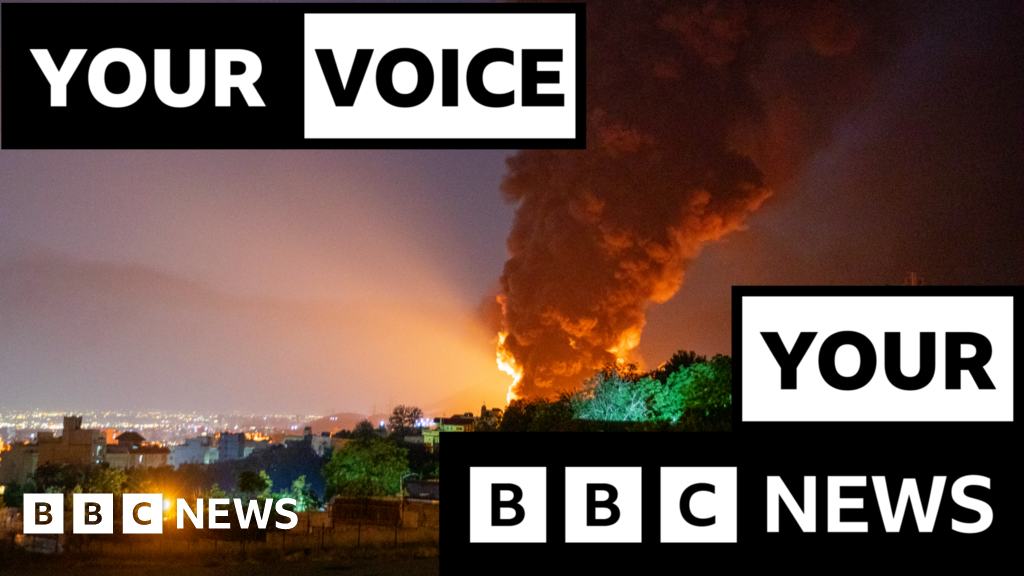
Amid escalating tensions between Iran and Israel, Israel claims its strikes are aimed at preventing Iran from developing nuclear weapons, a claim not universally supported by international agencies or US intelligence. The conflict raises concerns about regional stability, potential US involvement, and the vulnerability of US troops in the Middle East. While Iran's proxies may be weakened, the situation remains highly volatile, with uncertain outcomes regarding regime stability and the potential for further escalation, particularly concerning Iran's nuclear facilities like Fordo.
The escalating conflict between Israel and Iran, marked by ongoing mutual attacks, introduces significant volatility and uncertainty into the geopolitical landscape, underscored by a strongly negative sentiment and a high potential for market impact. Israel's stated rationale for its actions is to preempt Iran's development of nuclear weapons, perceiving an accelerated program and an existential threat. This assessment, however, diverges from the perspectives of some international bodies and US intelligence; while the IAEA confirmed Iran breached non-proliferation obligations by amassing approximately 400kg of uranium enriched to 60% and failing to cooperate fully, it has not explicitly stated Iran is racing towards a bomb, a view largely consistent with a March US intelligence report cited from Director Tulsi Gabbard. The ambiguity of US President Donald Trump's stance on potential American intervention further complicates the situation, with any direct US involvement carrying substantial risks for the estimated 40,000 to 50,000 US troops deployed across roughly 19 Middle Eastern locations. While Iran's regional proxy capabilities, including Hamas and Hezbollah, are reportedly diminished, the direct state-on-state confrontation remains a primary driver of instability. Internally, Iranian Supreme Leader Ali Khamenei contends with divided public support, and strategic assets such as the Fordo enrichment facility have been targeted, ostensibly to weaken Iran's air defense capabilities. The conflict highlights themes of geopolitical warfare, potential for further sanctions, and significant implications for defense and critical infrastructure sectors.
AI-powered research, real-time alerts, and portfolio analytics for institutional investors.
Request DemoOverall Sentiment
strongly negative
Sentiment Score
-0.75
