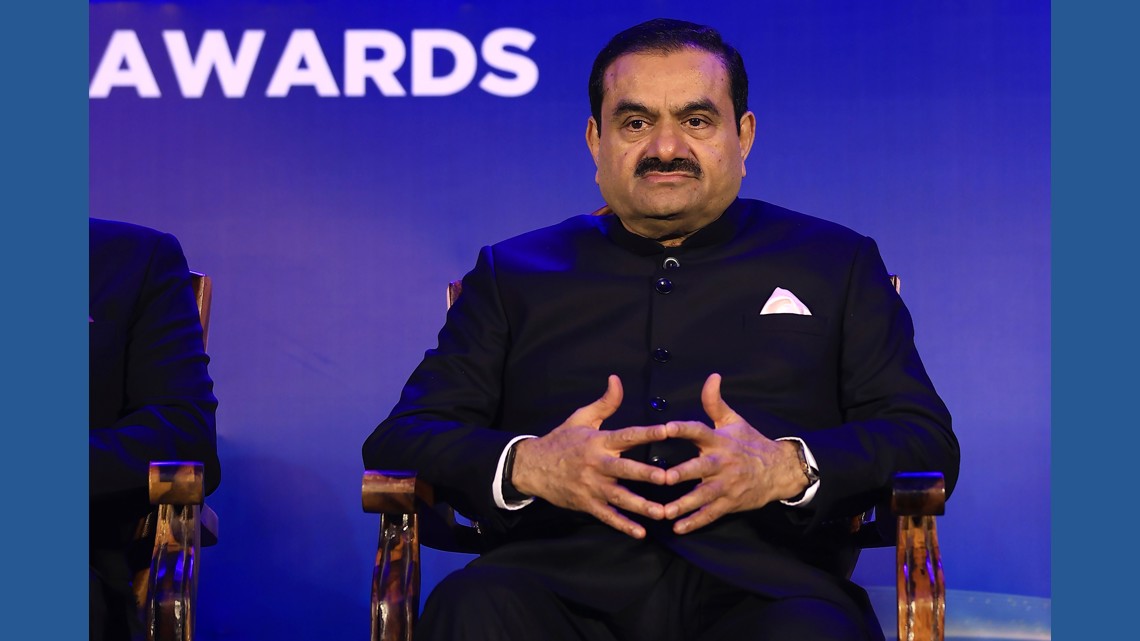
The SEC has agreed to settle its lawsuit against Gautam Adani and Sagar Adani, with civil penalties of $6 million and $12 million respectively, over allegations tied to bribery and securities fraud in Adani Green Energy's India solar project. Court documents indicate the proposed settlement includes no admission of guilt, while criminal charges in New York are reportedly likely to be dropped. The case underscores ongoing legal and governance risk for the Adani Group and could affect investor confidence in its energy and infrastructure businesses.
This is less about a single litigation overhang and more about the repricing of India’s entire sponsor-premium complex. The real second-order damage is to financing optionality: project-level lenders, ECAs, and long-duration infrastructure capital will likely demand wider spreads, tighter covenants, and more governance controls across the Adani ecosystem for months, even if headline penalties are modest. That raises the hurdle rate for growth assets that depend on cheap, repeatable refinancing more than on current cash flow. The most immediate losers are not just the named entity but adjacent Indian renewables, ports, airports, and utility-linked sponsors that trade on quasi-sovereign trust. Expect a temporary capital-allocation shift toward cleaner balance sheets and away from promoter-led conglomerates, with beneficiaries in domestic independents and multinational developers that can source capital offshore without governance stigma. This could also slow India’s renewable buildout at the margin if banks reprice the whole sector’s execution and corruption risk. The market is likely underestimating how long reputational damage persists relative to legal resolution. Even if criminal exposure fades over the next 1-2 quarters, counterparties will remember the enforcement template for 12-18 months, and that matters more for deal flow than the settlement amount. The contrarian angle: if Washington is signaling selective de-escalation, the equity drawdown in India-related infrastructure may be more emotional than fundamental; the best rebound candidates will be those with low leverage, transparent ownership, and diversified funding sources.
AI-powered research, real-time alerts, and portfolio analytics for institutional investors.
Overall Sentiment
strongly negative
Sentiment Score
-0.70
Ticker Sentiment
