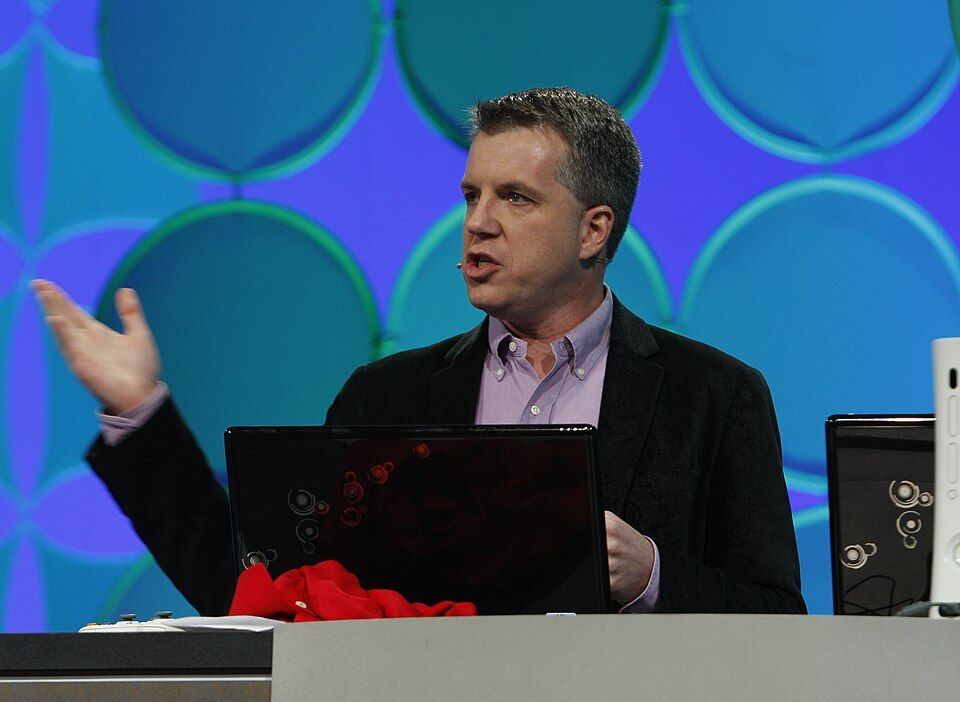
Unity has continued workforce reductions and reputational damage: Major Nelson (Larry Hryb) — who joined as Director of Community and Advocacy in 2024 after leaving Microsoft — was laid off after an 18-month stint. The company cut more than 150 staff in 2022 and over 280 in 2023, and its September 2023 runtime-fee announcement (partially walked back in September 2024) triggered broad developer backlash and migration risk to rivals like Godot and Unreal. While a recent partnership to bring Unity-based games to Fortnite could offset some loss of developer trust, persistent layoffs and damaged community relations represent downside risks to Unity’s long-term revenue and developer ecosystem stability.
Market structure: Unity’s layoffs and reputational damage shift incremental share to Unreal (Epic) and open-source Godot; publicly, platform winners are MSFT (developer platform integration) and NVDA (GPU demand from large studios), while U (Unity) risks 10–30% revenue downside over 12–24 months if developer churn accelerates. Pricing power for engine vendors weakens—expect 5–10% compression in middleware gross margins industrywide as vendors offer incentives to retain studios. Cross-asset: U equity IV should rise 40–80% near earnings; small negative spill to software credit spreads (+20–50bps) and marginally lower GPU spot demand (low single-digit impact to NVDA revenue).
Risk assessment: Tail risks include a mass exodus of mid-sized studios causing >30% ARR loss over 12–18 months or a partner reversal (Fortnite deal collapse) that removes near-term revenue runway. Timeline: immediate (days–weeks) sentiment shocks and volatility spikes; short-term (3–6 months) visible developer project starts and pipeline erosion; long-term (6–24 months) realized revenue and margin shifts. Hidden dependencies: Unity’s revenue mix (services, asset store, ads) and deferred revenue could mask near-term declines; developer community sentiment metrics (GitHub forks, forum migration) are leading indicators. Key catalysts: Unity quarterly results, Fortnite integration milestones (next 3–6 months), and third-party engine adoption metrics.
Trade implications: Direct: bias to short U via options or equity—use 3–6 month puts or bear-put spreads to capture expected 20–40% downside while capping premium. Pair trade: short U / long MSFT (small overweight) to express migration to larger platform ecosystems; size relative exposure 1–2% net. Options: buy U 6-month puts or structured bear spreads to limit premium; consider buying long-dated OTM calls only as a cheap recovery hedge if U drops >25%.
Contrarian angle: Consensus may overstate permanent loss—Unity has the largest installed base (millions of devs) and could stabilize if it offers aggressive enterprise deals; a >25% price collapse could present asymmetric risk/reward (buy 9–12 month OTM calls). Historical parallel: software vendors that reversed unpopular monetization (e.g., past SaaS pricing rollbacks) recovered 30–80% within 6–12 months if enterprise contracts held. Unintended consequence: aggressive shorts could be squeezed on a successful Fortnite-driven revenue surprise, so size and option hedges matter.
AI-powered research, real-time alerts, and portfolio analytics for institutional investors.
Request DemoOverall Sentiment
moderately negative
Sentiment Score
-0.60
Ticker Sentiment
