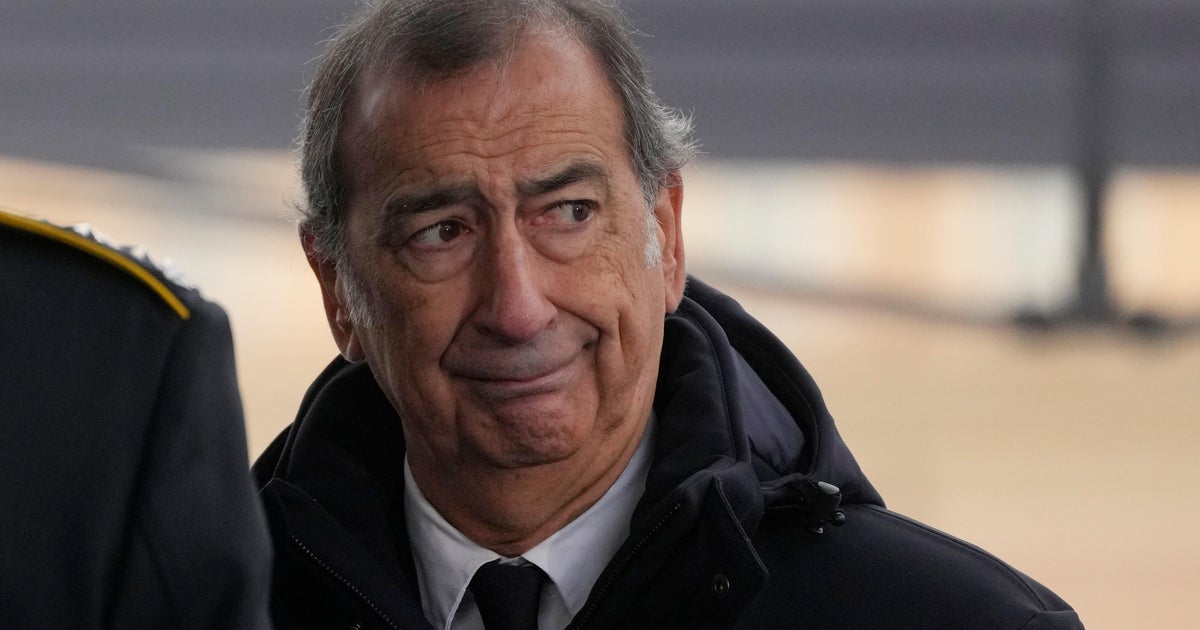
Milan Mayor Giuseppe Sala publicly rejected reports that U.S. Immigration and Customs Enforcement (ICE) agents would have a security role at the Milan 2026 Winter Olympics, calling ICE "a militia that kills" and saying they are not welcome ahead of the Feb. 6 opening. ICE said its Homeland Security Investigations unit would support the U.S. State Department's Diplomatic Security Service to vet transnational criminal risks and that all operations would remain under Italian authority, while U.S. Embassy sources said ICE would back diplomatic security but not run immigration enforcement. The dispute, inflamed by televised footage of ICE confrontations and recent fatal shootings in Minneapolis, creates short-term diplomatic and reputational risk around Olympic security but is unlikely to have material financial-market implications.
Market structure: The mayoral rejection of ICE presence ahead of Milan 2026 is a localized political shock with winners likely in domestic European security suppliers and losers in headline-sensitive travel & hospitality names servicing Milan (short-term demand risk of 1–3% revenue variance for local hotels/airlines during peak weeks). Competitive dynamics could slightly tilt short-term procurement toward EU-based contractors (Thales, Securitas-type incumbents) versus U.S. federal contractors, but material contract shifts would require formal procurement changes over 6–18 months.
Risk assessment: Tail risks include large-scale protests or a diplomatic spat that triggers a U.S. travel advisory (low-probability, high-impact) producing a 50–150bp widening in BTP-Bund spreads and 2–4% EUR weakness over weeks. Immediate (days) is headlines/volatility; short-term (weeks–months) is tourist flows, insurance claims and event disruption; long-term (quarters–years) is procurement policy shifts and budget reallocation to sovereign security capacities.
Trade implications: Tactical plays should be defensive and trigger-based: hedge EUR exposure and Italian equity risk if BTP spreads widen >50bps; selectively add 6–12 month exposure to large diversified defense/security primes (LMT, LHX) for potential modest budget tailwinds; avoid outright large longs in Milan-focused hospitality names absent clear data showing tourist outflows >2–3% vs baseline.
Contrarian angle: Markets underprice the probability that no material contracts change before the Games — a 2012 London precedent shows local political flare-ups rarely derail event demand. Conversely, if EU/Italian procurement notices appear in the next 60–180 days favoring European vendors, that would be a structural negative for U.S.-centric security suppliers and is an actionable early-warning signal.
AI-powered research, real-time alerts, and portfolio analytics for institutional investors.
Request DemoOverall Sentiment
mildly negative
Sentiment Score
-0.25
