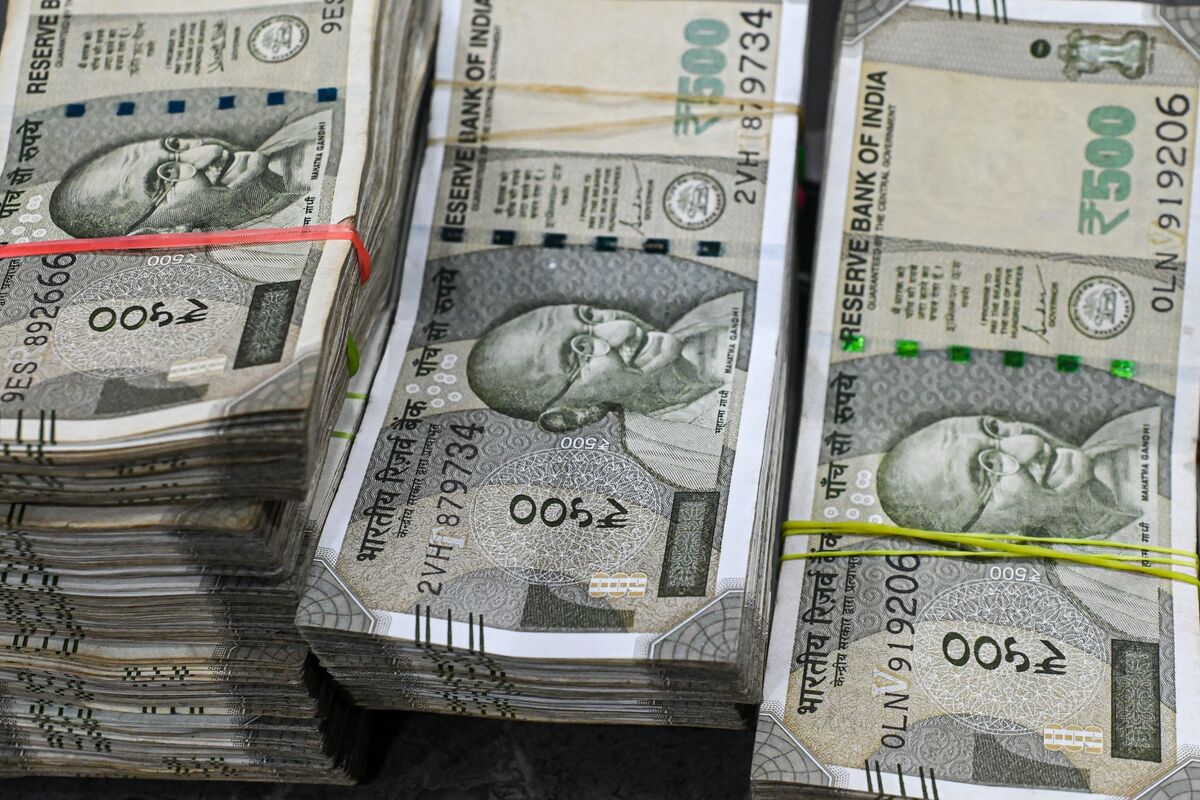
The Indian rupee, the worst-performing Asian currency this quarter due to surging oil prices and global tensions, is nearing a critical threshold of 87 per dollar, prompting expectations of intervention from the Reserve Bank of India. Analysts from ANZ and MUFG Bank anticipate the RBI will step in if the depreciation continues, highlighting the central bank's likely tolerance limit for currency swings and establishing a key watch point for investors.
The Indian rupee has emerged as the worst-performing Asian currency this quarter, pressured by the combined impact of surging oil prices and heightened global tensions. Its decline is now testing a critical threshold near 87 per dollar, a level that analysts at Australia & New Zealand Banking Group Ltd. and MUFG Bank Ltd. have identified as a probable line for intervention by the Reserve Bank of India (RBI). This market consensus establishes a key psychological and technical level, suggesting that the central bank's tolerance for currency volatility may be nearing its limit. The situation underscores the rupee's sensitivity to external commodity shocks and shifts in global risk sentiment, placing the RBI's foreign exchange management strategy in the spotlight.
AI-powered research, real-time alerts, and portfolio analytics for institutional investors.
Request DemoOverall Sentiment
strongly negative
Sentiment Score
-0.60
Ticker Sentiment
