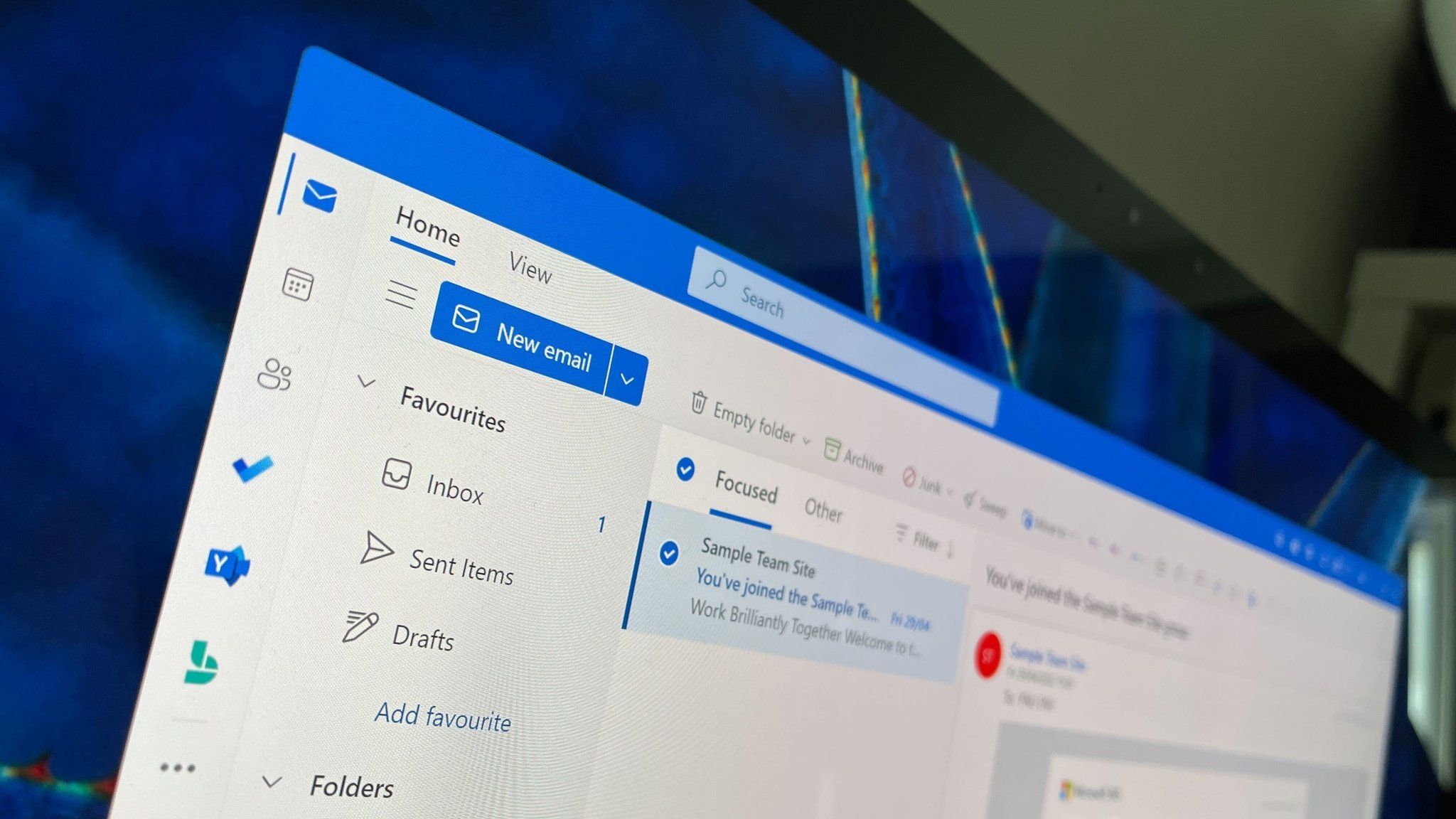
Artemis II commander Reid Wiseman reported that both versions of Microsoft Outlook failed on his Surface Pro during the crewed Artemis II mission launched April 1, 2026. The mission — the first crewed lunar flight since Apollo 17 in 1972 (54 years) — experienced no reported mission impact and no broader Outlook outage was identified; both the "new" web-wrapped Outlook and Outlook Classic did not work for the crew member. The episode represents a reputational/product-reliability issue for Microsoft but is anecdotal and unlikely to have measurable revenue or market impact.
A high-visibility software failure on a mission-critical program is less about immediate consumer PR and more about forcing buyers with outsized liability (NASA, DoD, prime contractors) to re-run validation cycles, add contractual hardening clauses, and diversify suppliers. Expect procurement teams to shift line-items into testing/validation budgets and to accelerate RFPs for space-certified middleware and third‑party verification services; these are budget moves that manifest over 3–18 months, not days.
For Microsoft the direct revenue hit is likely modest, but the second‑order impact is in friction: slower sales cycles and incremental certification costs for Azure Government/space suites and Surface government SKUs. Model a plausible 0.5–2% reallocation of near‑term addressable spend away from incumbent platforms and a corresponding 1–2% multiple compression if noisy procurement reviews persist for a quarter or more — enough to justify option hedges rather than high‑conviction fundamental shorts.
Beneficiaries are niche: systems integrators and gov-focused software firms that sell testing, hardening, and verification (analytics/security stacks) should see incremental RFP flow and higher billing rates; media/advertising platforms tied to mission viewership get a transient engagement spike. Key catalysts to monitor are public GAO/agency review outcomes, formal contract amendments, and any push by primes to mandate certification within 30–90 days — conversely, rapid remediation and agency signoffs would reverse risk premia quickly.
AI-powered research, real-time alerts, and portfolio analytics for institutional investors.
Request DemoOverall Sentiment
mildly negative
Sentiment Score
-0.15
Ticker Sentiment
