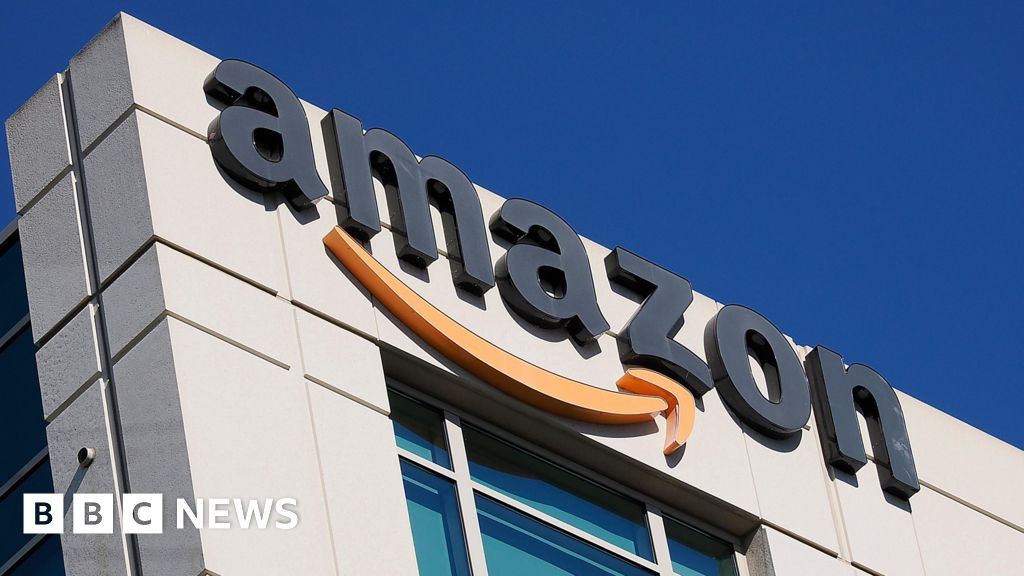
Amazon inadvertently circulated a draft email from an AWS SVP that appears to confirm a new round of global layoffs (US, Canada, Costa Rica) under the codename “Project Dawn,” following 14,000 cuts announced in October and industry expectations the company could cut roughly 30,000 roles total. The move is framed as organizational restructuring to reduce layers and costs; concurrently Amazon is closing ~70 Amazon-branded grocery stores while expanding Whole Foods and tightening office and expense policies. For investors, further sizable headcount reductions signal continued cost discipline that could improve margins over time but pose execution, morale and operational risks that may pressure near-term sentiment and hiring-driven growth initiatives.
Market structure: Amazon’s accidental confirmation of a fresh layoff tranche amplifies downside for AMZN in near-term sentiment (expect a 3–10% knee-jerk move on official confirmation). Direct beneficiaries are large cloud peers (MSFT, GOOGL) and specialist SaaS vendors who can hire displaced AWS talent at lower cost; retailers tied to Amazon Fresh/Go real estate are losers. Cost cuts improve near-term free cash flow by an estimated few hundred million to low-single-digit billions over 12–24 months depending on scope, but signal weaker end-demand for retail and enterprise spend.
Risk assessment: Tail risks include a botched reorg causing AWS outages, class-action severance/regulatory suits, or accelerated talent drain to MSFT/GOOG leading to ~1–3ppt cloud share shifts over 12–24 months. Immediate (days) risk is sentiment-driven volatility; short-term (weeks/months) is guidance disappointment and margin revision; long-term (quarters/years) is structural share loss or margin recovery if cuts are executed cleanly. Hidden dependencies: contractor/fulfillment capacity and AWS engineering headcount are nonlinear levers — small cuts can disproportionately affect launch cadence.
Trade implications: Implement short-dated, defined-risk bearish exposure to AMZN (buy 1–2% NAV 1–3 month put spreads if share price rallies or official announcement drops price >5%); establish 2–4% NAV relative-long in MSFT+GOOGL (1–2% each) as a 3–9 month pair trade anticipating cloud share and talent gains. Rotate 1–2% from retail/consumer discretionary into large-cap cloud/software names; consider buying 3–6 month call spreads on MSFT/GOOGL funded by AMZN put sales to monetize elevated IV.
Contrarian angles: Consensus fixes on “cost-cutting = positive” may be overdone short-term; market could underprice the revenue hit if cuts blunt growth initiatives. Conversely, an overreaction drop in AMZN could present a tactical buy: if shares fall >12% on confirmation, a 6–12 month recovery trade (2–3% NAV long, stop -10%) has asymmetric upside as cuts convert to cash flow and potential buyback capacity. Watch official layoff scope, AWS product roadmaps, and competitor hiring data in next 30–90 days as decision triggers.
AI-powered research, real-time alerts, and portfolio analytics for institutional investors.
Request DemoOverall Sentiment
moderately negative
Sentiment Score
-0.42
Ticker Sentiment
