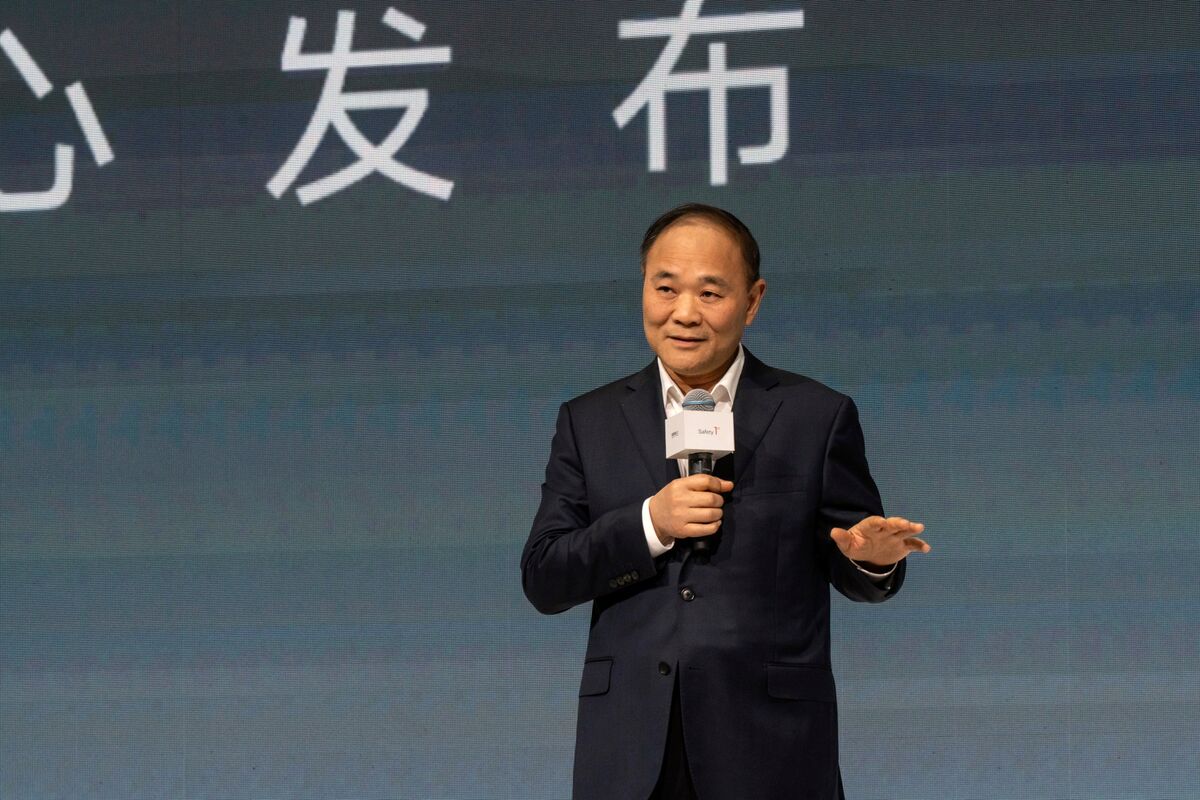
Ecarx said it has struck a deal valued at about $750 million to deliver thousands of robotaxis to US startup May Mobility, including the computing platforms and sensor suites for the vehicles. The agreement is expected to halve May Mobility’s all-in autonomous vehicle cost by 2028, highlighting a meaningful commercialization step for autonomous driving technology. The news is constructive for Ecarx and the broader robotaxi supply chain.
This is less a single-contract headline than a signal that the autonomous-vehicle stack is moving from bespoke hardware builds toward cost-down, semi-commoditized production. The second-order winner is likely the tier-2 sensor/computing ecosystem: once one OEM architecture is validated at scale, pricing power shifts away from the integrator and toward whichever component suppliers can standardize modules across fleets. For ECXWW, the market should start valuing the company less like a speculative EV tech story and more like a platform-supplier with a path to recurring fleet deployment revenue, though execution credibility remains the gating factor. The more interesting competitive effect is on smaller robotaxi operators that are still carrying custom, high-CAPEX vehicle stacks. If May can halve unit economics by 2028, that widens the gap versus peers reliant on one-off engineering and expensive sensor fusion packages. It also pressures legacy autonomous driving vendors whose monetization depends on keeping hardware margin opaque; if customers can benchmark a lower all-in build cost, procurement cycles should get harsher over the next 12-24 months. The key risk is timing: the economic benefit is back-end loaded, while the market will likely price the headline immediately. Any slip in homologation, supply-chain localization, or fleet scaling turns this into a narrative trade rather than a revenue trade. A second-order tail risk is geopolitics: if US policy or customer skepticism limits cross-border autonomous hardware adoption, the contract value could be discounted sharply and the stock could give back a meaningful portion of the move within weeks. Consensus is probably underestimating how much this supports a broader re-rating of autonomous-vehicle enablers, not just the named company. If this deal is real and repeatable, it validates a “design once, deploy many” model that could compress costs across the entire robotaxi supply chain and accelerate adoption by 1-2 years relative to current base cases.
AI-powered research, real-time alerts, and portfolio analytics for institutional investors.
Request DemoOverall Sentiment
moderately positive
Sentiment Score
0.62
Ticker Sentiment
