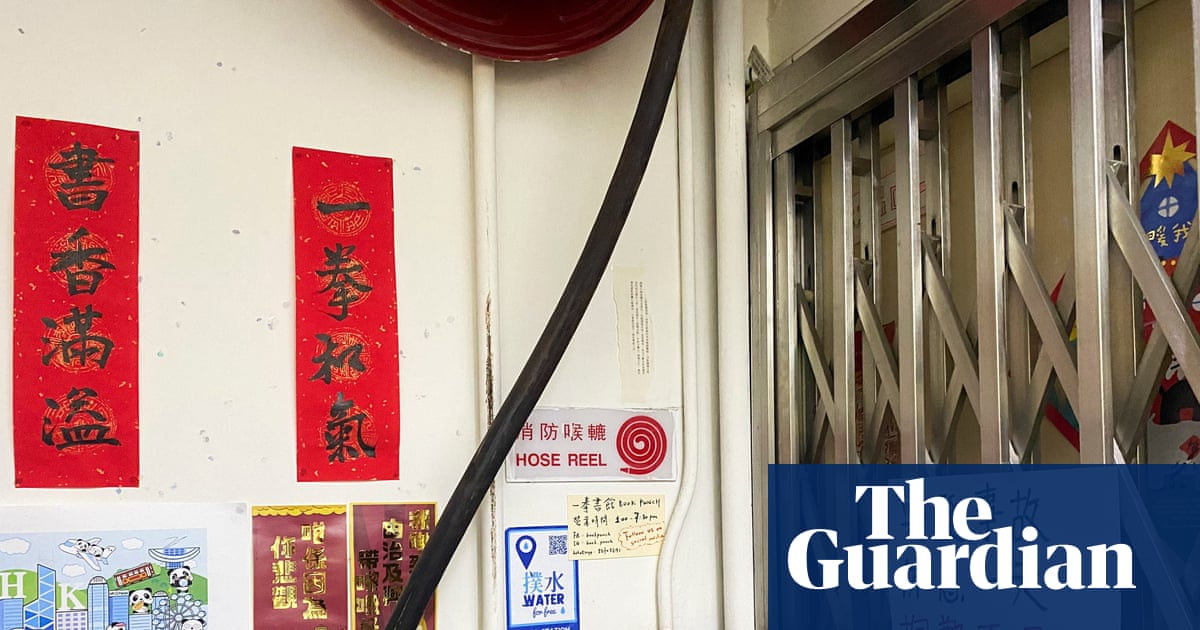
Hong Kong police arrested a bookstore owner and three staff for allegedly selling the Jimmy Lai biography The Troublemaker; Lai is serving a 20-year sentence following national security convictions. Under local Article 23 sedition rules, offences can carry up to 7 years in jail (10 years if involving an external force), and newly gazetted amendments empower customs to seize items deemed “seditious” and allow police with magistrate warrants to demand mobile/computer passwords. The actions signal heightened political and regulatory risk for Hong Kong media and related businesses, increasing perception of operational and legal risk in the market.
This episode ratchets up non-price costs of operating in Hong Kong—legal compliance, custody risk, and reputational insurance—raising the effective hurdle rate for any media, publishing or fintech business that routes content or data through the jurisdiction. Expect measurable revenue impact at the exchange and adviser level as issuers re-price listing venue choice: a 10–25% reduction in HK IPO fee pools over 12–24 months is realistic if a sustained rights-management and content-control premium persists. Market microstructure will follow: higher bid-ask spreads, elevated HIBOR/HK liquidity volatility during outflow episodes, and a persistently wider local equity risk premium vs peer APAC markets by ~100–200bps in the next 3–6 months.
Second-order winners are venue and service providers outside Hong Kong—regional exchanges, Singapore-based underwriters/printers, and custody operations that can credibly offer legal buffers. Conversely, HK-centric fee-earning platforms (listing/exchange services, local merchant banks, specialist publishers) face both demand erosion and higher compliance opex that could compress margins 200–400bps. Custodians with material HK operations will see higher KYC/infosec capex and may re-route flows, creating a 6–18 month window to capture market share for competitors with cleaner legal domicile footprints.
Catalysts and reversals are binary: (1) any rapid central-government clarification narrowing enforcement would materially reverse outflow/delist risk within weeks; (2) continued regulatory escalation or stronger implementation rules will compound market-share loss over 3–12 months. For portfolio management the sensible default is to replace directional de-risking with targeted tail hedges and asymmetric venue-exposure trades rather than wholesale de-risking of China beta, because underlying macro recovery remains intact and long-term structural flows (trade, investment) are sticky.
AI-powered research, real-time alerts, and portfolio analytics for institutional investors.
Request DemoOverall Sentiment
moderately negative
Sentiment Score
-0.60
