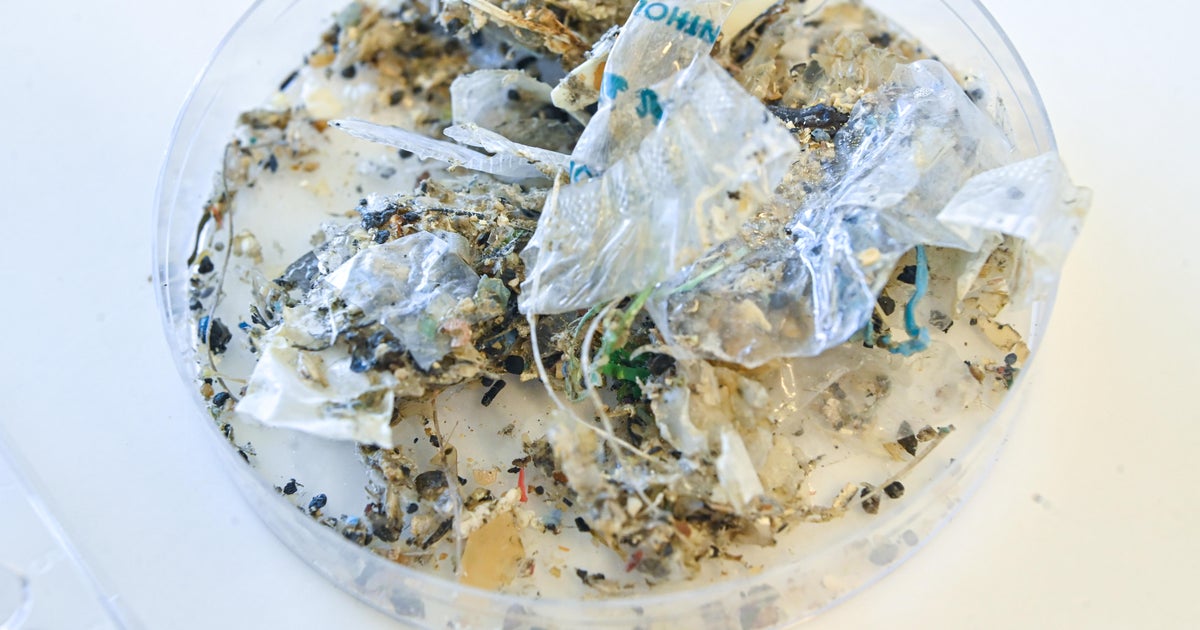
A new report in The Lancet medical journal warns that plastic pollution is a grave health danger, causing disease and death from infancy to old age and incurring health-related economic losses exceeding $1.5 trillion annually. Released ahead of global treaty talks in Geneva, the report details widespread health effects and highlights that global plastic production surged to 475 million tons in 2022, projected to triple by 2060, while less than 10% is recycled. This underscores a significant and growing health and economic liability, necessitating policy intervention.
A report published in The Lancet medical journal has quantified the annual health-related economic cost of plastic pollution at over $1.5 trillion, identifying it as a significant and under-recognized global health crisis. The timing of this report, immediately preceding international treaty negotiations in Geneva, elevates the potential for market-moving regulatory action, as indicated by the high market impact score of 0.7. The research provides a robust causal link between plastic chemical exposure and a range of diseases, from reproductive disorders to cancer, with a noted vulnerability for infants and children. This is set against a backdrop of escalating production, which surged to 475 million tons in 2022 and is projected to triple by 2060, while recycling rates remain below 10%. By linking the plastics issue directly to the fossil fuel industry and the climate crisis, the report broadens its implications, framing plastic production as a systemic risk that intersects with major ESG and regulatory themes. The findings establish a new baseline for potential liabilities, creating a framework for future litigation and policy that could significantly impact sectors reliant on virgin plastics.
AI-powered research, real-time alerts, and portfolio analytics for institutional investors.
Overall Sentiment
extremely negative
Sentiment Score
-0.80
