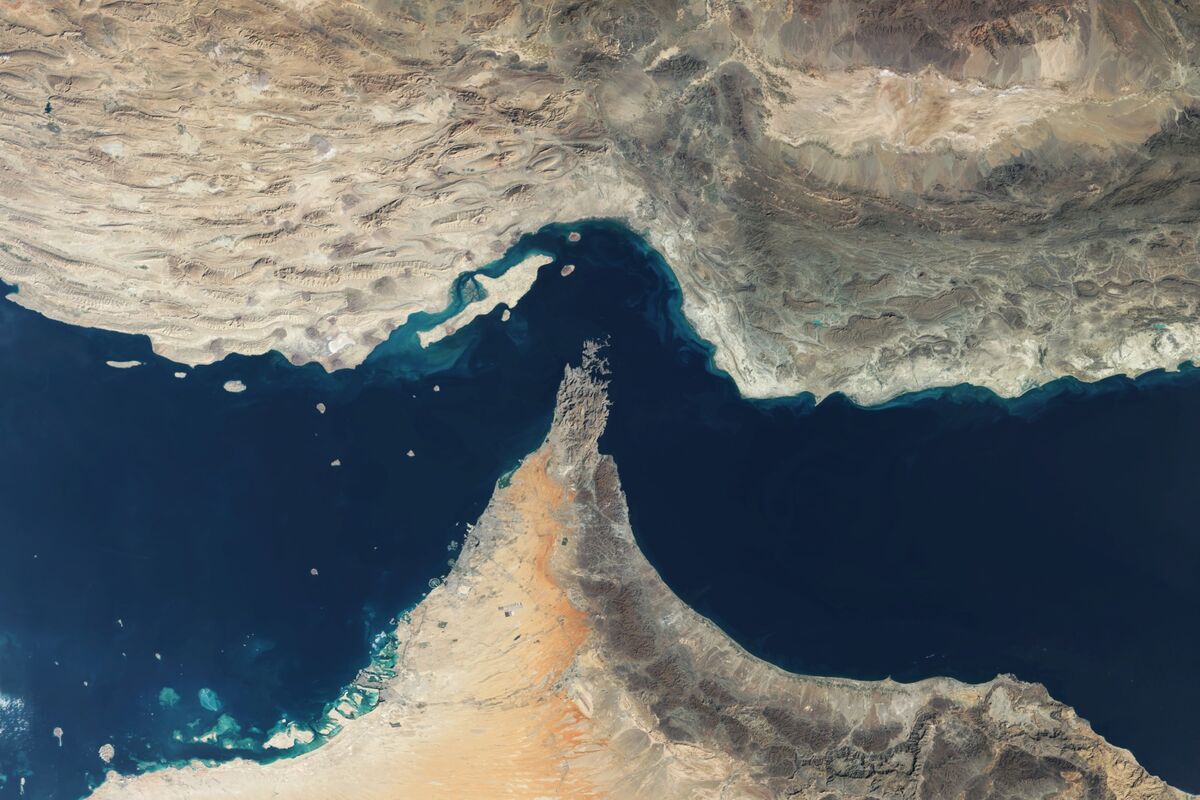
Iran has effectively closed the Strait of Hormuz, putting maritime transits to a near-standstill weeks after US and Israeli strikes and restricting passage to approved vessels only. Oil and gas prices have surged and Gulf crude output has been cut as storage tanks fill, tightening global energy supply and creating heightened volatility and risk-off conditions for markets and shipping corridors.
Immediate market moves are amplifying predictable knock‑ons that are not yet fully priced: war‑risk premiums on hull and cargo insurance plus rerouting around Africa have already raised voyage economics for crude tankers and forced refiners to source different crude grades, widening differentials between light sweet and heavy sour streams. Expect top‑line spare capacity to be soaked up inside weeks — floating storage becomes profitable only while front‑month Brent sits in meaningful contango; once physical tanks and VLCC availability hit limits (likely within 2–6 weeks), the marginal price impulse decays even if flows remain curtailed.
Second‑order beneficiaries differ by time horizon: within 0–3 months, owners of modern Aframax/Suezmax/VLCC fleets and tanker charterers capture outsized cashflows because each reroute adds material voyage days and war‑risk fees; over 3–24 months, midstream pipeline operators and hub storage owners win as buyers pay to bypass chokepoints permanently, incentivizing accelerated pipeline and STRIP‑terminal projects. Conversely, refiners with tight complexity margins that cannot accept alternate crude grades or that are long product inventory will face margin compression and throughput curtailments, pressuring working capital and seasonal maintenance scheduling.
Tail‑risks that would reverse the price impulse include rapid diplomatic de‑escalation (days–weeks), coordinated SPR releases combined with OPEC re‑balancing (weeks–months), or a tactical military corridor that restores insurance markets — any of these would collapse war‑risk premia and freight spikes quickly; structural reallocation (pipelines, new terminals, insurance normalization) unfolds over years and likely leaves permanent winners even after prices normalize.
AI-powered research, real-time alerts, and portfolio analytics for institutional investors.
Overall Sentiment
strongly negative
Sentiment Score
-0.70
