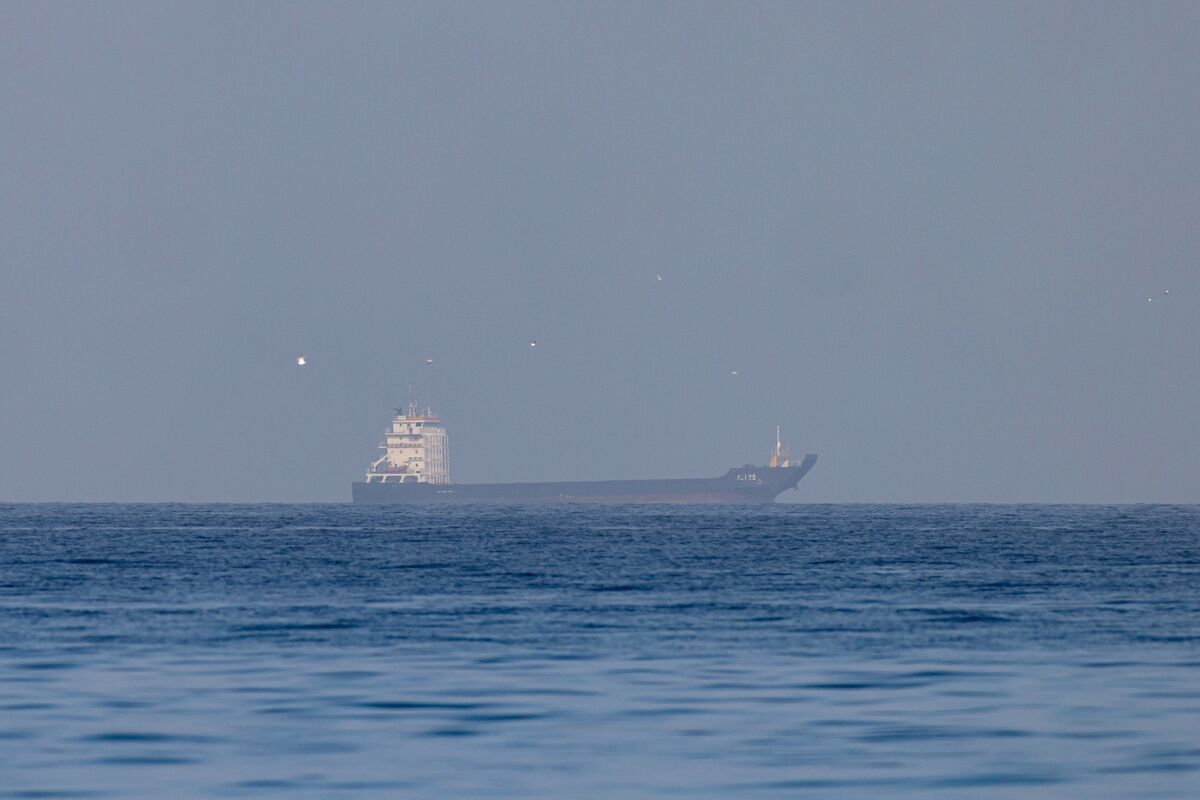
Iran has begun charging ad hoc transit fees of as much as $2 million per voyage for some commercial vessels transiting the Strait of Hormuz, effectively creating an informal toll. Payments have been made by some ships but the mechanism, currency and systematic application are unclear. This raises the cost and risk of shipping through a crucial oil chokepoint, posing upside pressure to energy prices and potential disruption to global supply chains and commodity flows.
This change functionally turns a geopolitical flashpoint into a variable per-voyage cost that will be priced into freight and oil netbacks within days, not months. For a single large crude tanker the incremental charge is equivalent to roughly $0.5–$3.0/barrel once you annualize across cargo size and demurrage; that range materially changes trade economics for marginal cargoes and raises voyage breakevens for traders operating on tight arbitrage spreads.
Expect immediate second-order effects: short-duration spike in war-risk premiums and spot charter rates (benefiting owners with large spot exposure), followed by selective rerouting for high-value cargoes which adds 7–12 days and increases tonne-mile demand (positive for some tanker segments, negative for just-in-time refined product flows). Freight forwarders and container lines face margin compression via higher pass-throughs and longer cycle times; refine/retail gasoline cracks may widen in consuming regions as logistics costs cascade.
Tail risks skew toward episodic escalation: naval interdiction, retaliation on shipping, or formalization of tolls would push effects from weeks into multi-year structural re-pricing of shipping, insurance and regional energy flows. Conversely, credible diplomatic de-escalation, private security convoys, or an industry-coordinated pooled-insurance solution could compress premiums back toward pre-event levels inside 60–90 days.
The consensus will likely over-index to headline risk and bid all shipping equities equally; the nuance is vessel type, route flexibility and sanction-avoidance exposure. Owners with modern, large-IMO II/III VLCCs and flexible commercial management can capture outsized upside from spot rate dislocations while companies tied to fixed long-term charters or sanctioned jurisdictions will see limited benefit and elevated downside.
AI-powered research, real-time alerts, and portfolio analytics for institutional investors.
Request DemoOverall Sentiment
moderately negative
Sentiment Score
-0.45
