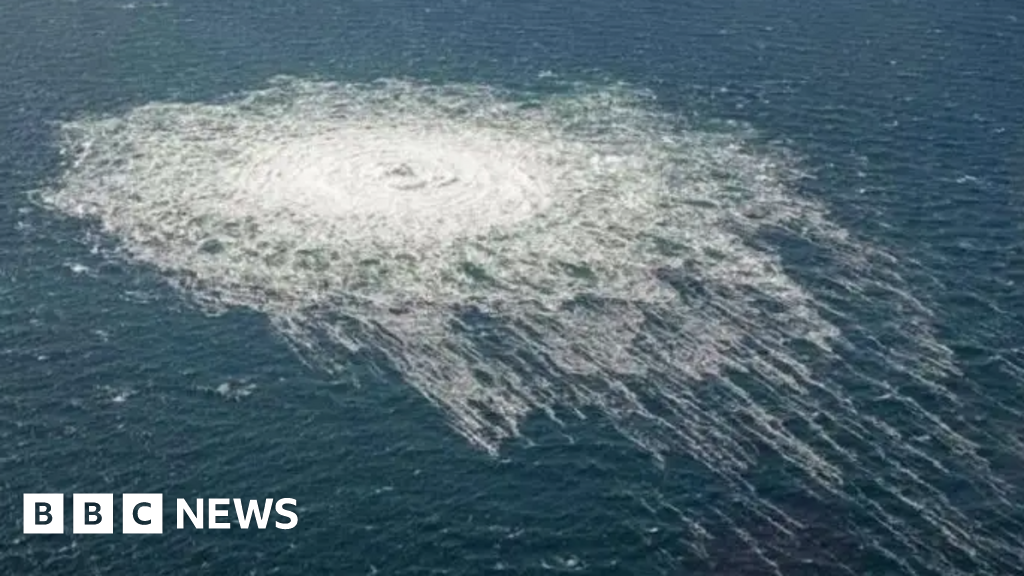
Italy’s top appeals court ordered the extradition of Serhiy Kuznetsov, a former Ukrainian military officer, to Germany to face a charge of anti-constitutional sabotage over the 2022 Nord Stream pipeline explosions, with German police expected to remove him from Italy in the coming days. German prosecutors allege he coordinated and led a team that planted explosives under the Baltic Sea, though they have not publicly disclosed evidence; Kuznetsov’s lawyer says he is a scapegoat and notes Kyiv has not publicly confirmed or defended his service (the BBC saw a copy of a military ID in court files). The case has significant geopolitical implications — potentially straining relations between Germany, the largest European military backer of Ukraine, and Kyiv — and sits uneasily alongside a Polish court’s recent refusal to extradite a second suspect, which characterised the act as a form of self-defence that some Ukrainians view as justified.
Italy's top appeals court has ordered the extradition of former Ukrainian military officer Serhiy Kuznetsov to Germany to face a charge of anti-constitutional sabotage for the 2022 Nord Stream pipeline explosions; German prosecutors allege he coordinated and led a team that planted explosives, though they have not publicly disclosed evidence. Kuznetsov was arrested in late August at a glamping site near Rimini after his passport details triggered a police check, and German police are expected to remove him from Italy under escort in the coming days.
The case has immediate geopolitical significance because Germany is the largest European military backer of Ukraine and Kyiv has not publicly defended or confirmed Kuznetsov's service despite court-filed military ID copies; the contrast with a Polish court's refusal to extradite a second suspect, Volodymyr Zhuravlyov, underscores divergent EU legal and political responses. Public sentiment in parts of Ukraine frames the alleged perpetrators as defenders, increasing the risk of diplomatic friction between Berlin and Kyiv if legal proceedings are perceived domestically as penalizing anti-Russian actions.
Selected theme signals — Geopolitics, Legal & Litigation, Infrastructure/Defense and Energy Markets — and a mildly negative sentiment score (−0.3) with a market impact score of 0.25 suggest limited immediate market shock but heightened medium-term political and energy-security uncertainty; investors should therefore monitor German legal developments, bilateral diplomatic reactions, and any policy signals that might affect European energy or defense-related exposures.
AI-powered research, real-time alerts, and portfolio analytics for institutional investors.
Request DemoOverall Sentiment
mildly negative
Sentiment Score
-0.30
