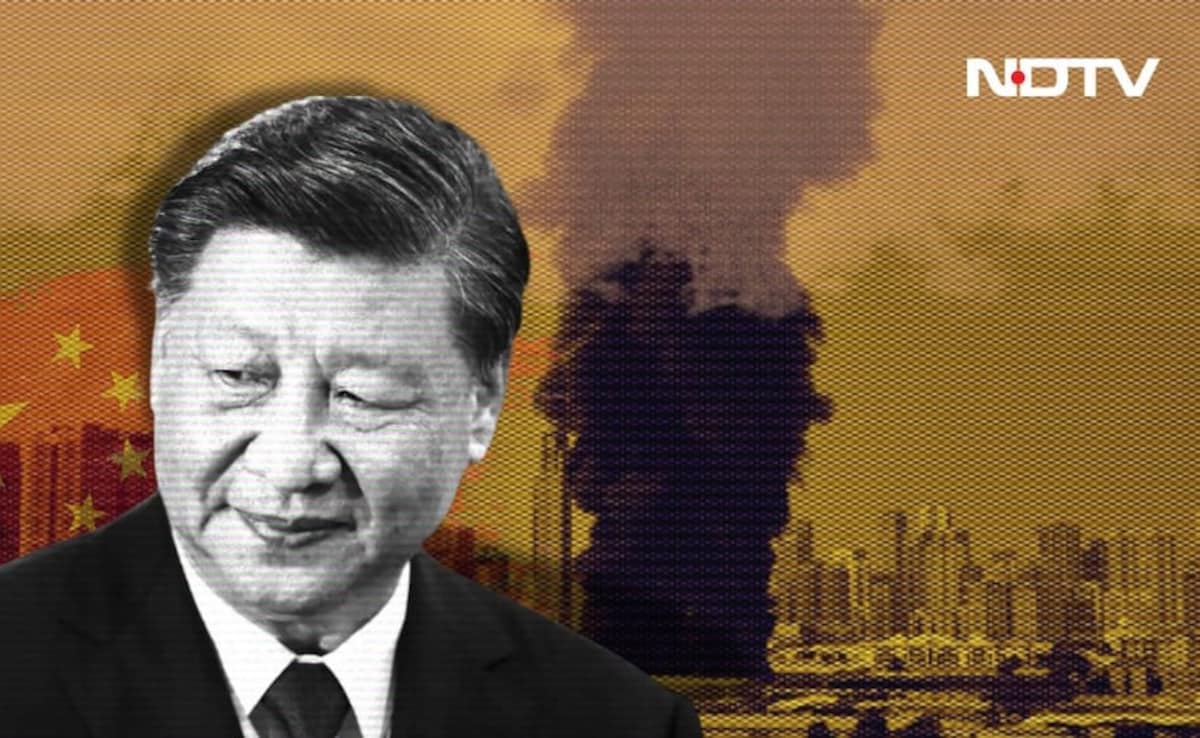
Two-week US–Iran ceasefire: China reportedly helped bring Tehran to the negotiating table through intermediaries (Pakistan, Turkey, Egypt), a move President Trump credited ahead of his mid‑May China trip. Beijing's quiet mediation, plus its veto alongside Russia on a UN resolution about Strait of Hormuz shipping, could lower near-term energy risk premia while increasing geopolitical policy uncertainty. Monitor oil prices, regional shipping insurance costs and trade flow indicators for potential short-term re-pricing.
China's quiet brokerage of talks creates an asymmetric shock: it lowers near-term tail-risk premium priced into oil, insurance and EM sovereign spreads but raises the probability of a slower, multilayered normalization driven by trade leverage rather than security guarantees. Expect an initial compression in implied volatility for Brent and regional CDS over days-weeks, followed by a 3–9 month period where Iranian export volumes are phased back via intermediaries rather than onshore lifting — this sustains a partial price cap effect rather than an abrupt supply shock.
A second-order winner is Chinese trading houses and refiners that can arbitrage sanctioned barrels through long-established logistics and financing channels; their margin capture could expand 100–300bps if incremental barrels are absorbed off-market. Conversely, Western insurers and tanker owners face a bifurcated outcome: lower headline conflict risk reduces spot tanker rates, but continued UN-level obstruction of coordinated protection raises persistent insurance and operational frictions that keep a premium on “clean” routings.
Policy risk is skewed toward episodic reversals — diplomatic progress can be reversed by domestic politics in Tehran, US secondary sanctions pressure, or a single maritime incident. With the Xi–Trump meeting as a calendar anchor in mid-May, market moves are likely to cluster around that event; traders should treat moves within 2–6 weeks as event-driven, and position for structural repricing over 3–12 months if flows normalize.
AI-powered research, real-time alerts, and portfolio analytics for institutional investors.
Overall Sentiment
neutral
Sentiment Score
0.05
