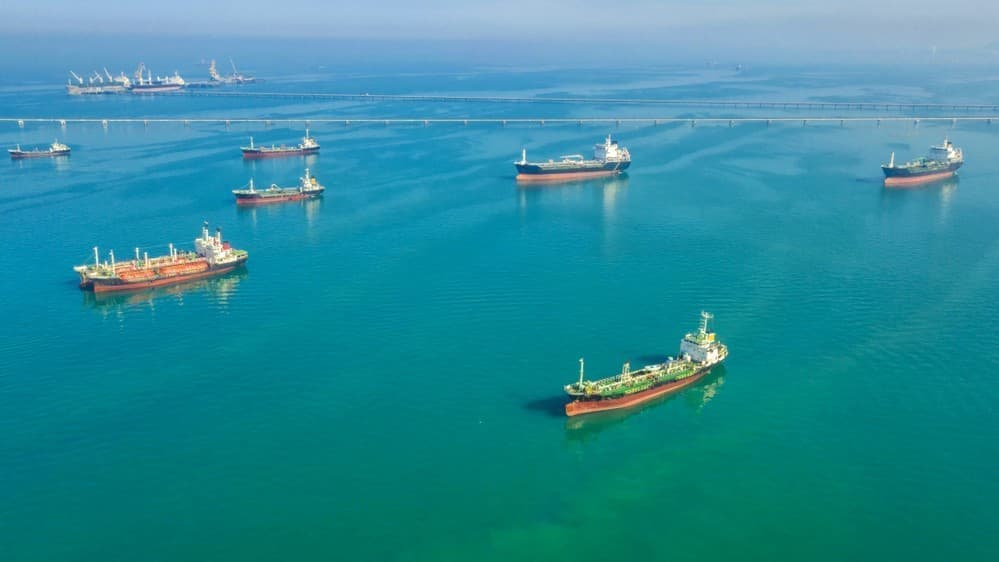
Closure of the Strait of Hormuz amid the Iran war is choking global supply lines: India sources ~90% of its LPG from the Middle East and hundreds of millions face shortages, while ~30% of global fertilizer trade and ~50% of sulfur shipments transit the strait and 86% of fertilizer shipments to East Africa have halted. Aluminum prices have risen ~11% since Feb 28 after attacks on Gulf smelters; damage to LNG/helium facilities could take years to repair. Expect sustained commodity price volatility and meaningful downside risks to food security, petrochemical feedstocks, and industrial production globally.
Market dislocations created by a concentrated production shock create asymmetric pricing power for producers of input-intensive commodities. Producers that control critical feedstocks (sulfur, potash, ammonia) can re-price into thin global spot markets; when integrated producers choose to withhold cargoes to protect domestic supply, exports tighten further and basis differentials to benchmark hubs can blow out by 15–40% over a 3–6 month window. Shipping and insurance layers amplify this: longer voyages and higher war-risk add-ons force charter rates and demurrage to rise, materially increasing delivered cost curves and advantaging owners with modern, fuel-efficient fleets.
The transmission to end markets is non-linear and lagged. Higher fertilizer input costs typically show up as planted-area reductions or input substitution in 6–12 months, creating a crop-supply shock that peaks in the next planting/harvest cycle rather than immediately; food price inflation and social-readjustment risks therefore sit on a 3–12 month horizon. For energy-intensive metals and gaseous byproducts, repair timelines for damaged processing plants—and therefore market normalization—can run into multiple years given capex, permits, and skilled labor constraints, supporting higher forwards into the 12–36 month bucket.
Key tactical asymmetries: embedded optionality in spot markets favors nimble traders and producers with export flexibility, while capital-constrained smelters and midstream operators face restart costs that act as a natural supply choke. Conversely, rapid diplomatic de-escalation or activation of sanctioned alternative logistics corridors are live reversal catalysts; those would collapse risk premia within weeks, producing sharp mean reversion in freight and commodity front-month spreads.
AI-powered research, real-time alerts, and portfolio analytics for institutional investors.
Request DemoOverall Sentiment
strongly negative
Sentiment Score
-0.70
Ticker Sentiment
