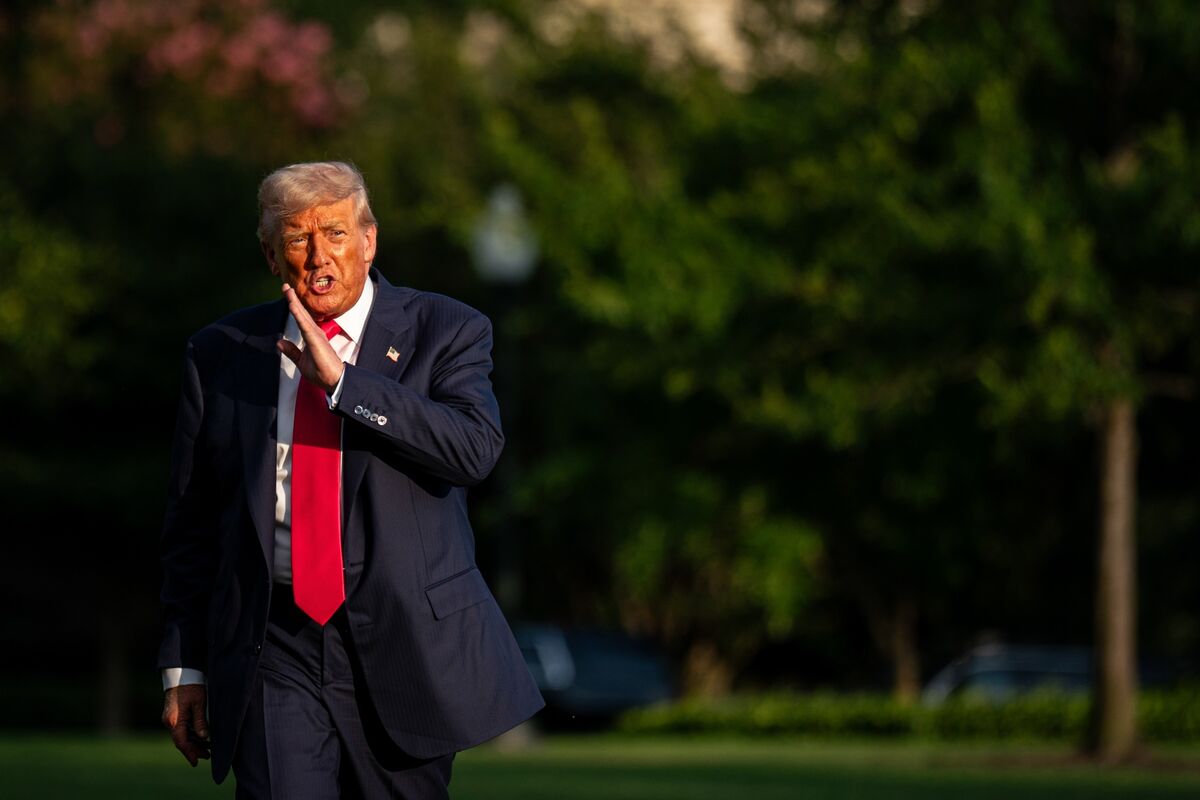
President Trump announced plans to impose tariffs on pharmaceuticals and semiconductors, potentially by month-end, a move that risks increasing costs for American consumers. This follows existing trade protectionism, exemplified by Rio Tinto Group's over $300 million first-half loss due to US tariffs on its Canada-made aluminum, indicating a persistent tariff strategy despite ongoing trade negotiations with Canada.
The US administration has signaled a significant expansion of its protectionist trade policy, with President Trump indicating probable tariffs on both pharmaceuticals and semiconductors by the end of the month. This development introduces considerable uncertainty and risk into two critical sectors, with the primary stated concern being the potential pass-through of higher costs to American consumers. The financial impact of existing tariffs is already evident, as demonstrated by mining firm Rio Tinto Group, which reported a cost exceeding $300 million in the first half from US levies on its Canadian-produced aluminum. This precedent suggests that the proposed tariffs could have material negative effects on corporate earnings within the targeted industries. Furthermore, comments from Canadian Prime Minister Mark Carney, suggesting trade negotiations will 'intensify' while hinting at the persistence of tariffs, underscore a broader trend of entrenched trade friction rather than a move toward de-escalation.
AI-powered research, real-time alerts, and portfolio analytics for institutional investors.
Request DemoOverall Sentiment
strongly negative
Sentiment Score
-0.60
Ticker Sentiment
