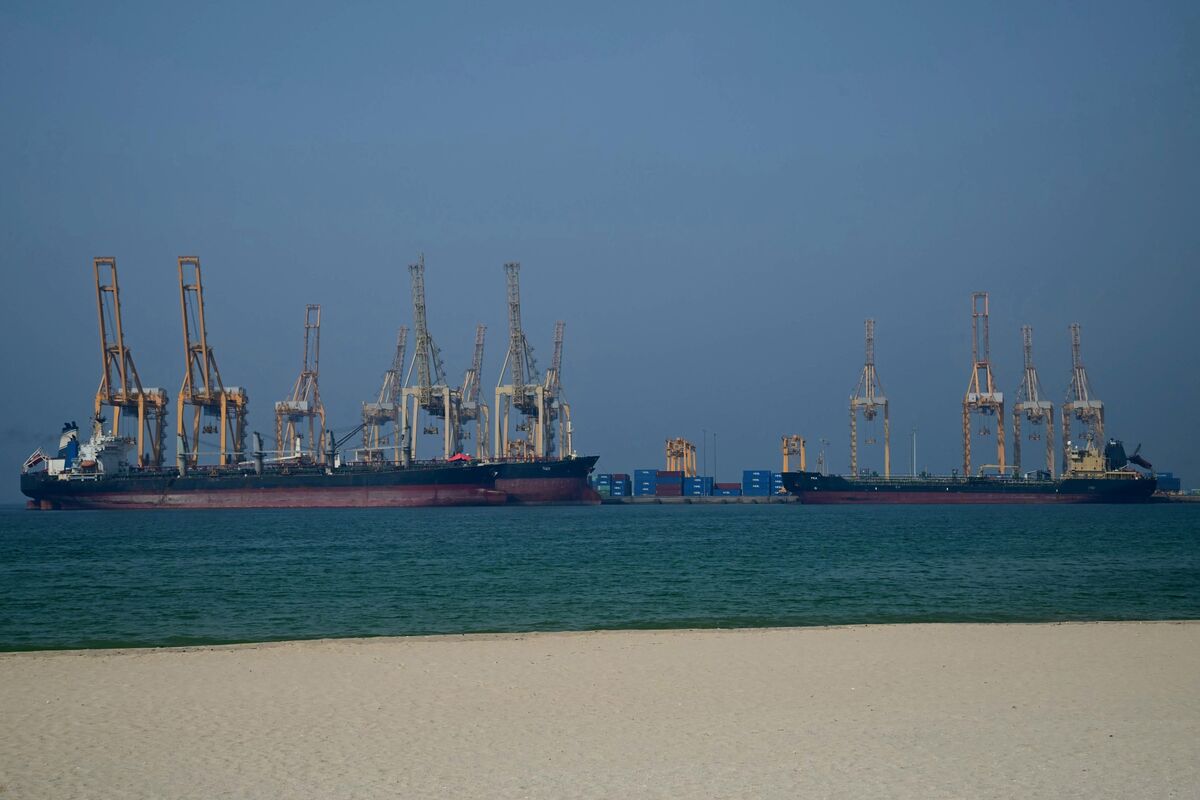
U.S. Treasury official Scott Bessent said the U.S. will "retake control" of the Strait of Hormuz and provide freedom of navigation via U.S. or multinational escorts, signaling steps to reopen the corridor for cargo ships. The administration views this as part of addressing a global oil supply shortage, which could ease oil and shipping-market strains if implemented, with potential sector-level impacts on energy prices, freight rates and marine insurance.
Normalization of tanker transit through the key chokepoint will compress the geopolitical risk premium embedded in Brent/WTI and in freight rates; expect a 3-8% downshift in front-month Brent within 2–8 weeks as risk premia unwind and spot VLCC/AFRA charter rates rebase. That rapid move will flatten the forward curve, releasing working capital stress for refiners in Asia and Europe and widening light/heavy differentials—benefitting complex refiners with heavy crude access while compressing margins for U.S. producers exposed to Brent-linked realizations.
Sustained naval presence and escort logistics create a durable demand pool for defense O&M, midsize shipyards, and specialized maintenance contractors; budgetary reallocations and emergency supplemental funding typically materialize on a 3–12 month cadence, translating to visible orderbook growth and higher margin aftermarket service revenue for prime contractors. Conversely, the tanker owners and time-charter beneficiaries that earned windfall rates from detours will see a sharp revenue reversion — TC/day can drop 30–70% within weeks when convoy risk fades, producing multi-quarter EPS hits.
Two-phase insurance dynamics are important: near-term P&C claims and political-risk spikes may keep premiums elevated, but normalized transit will force reinvestment into lower-premium renewals within 6–12 months, pressuring pricing power for marine insurers. The principal tail risk is escalation from a tactical incident to wider regional conflict; that scenario can flip the entire tape—oil +20–50% and defense equities gap higher in days—so position sizing and option overlays are essential for asymmetric outcomes.
AI-powered research, real-time alerts, and portfolio analytics for institutional investors.
Overall Sentiment
mildly positive
Sentiment Score
0.20
