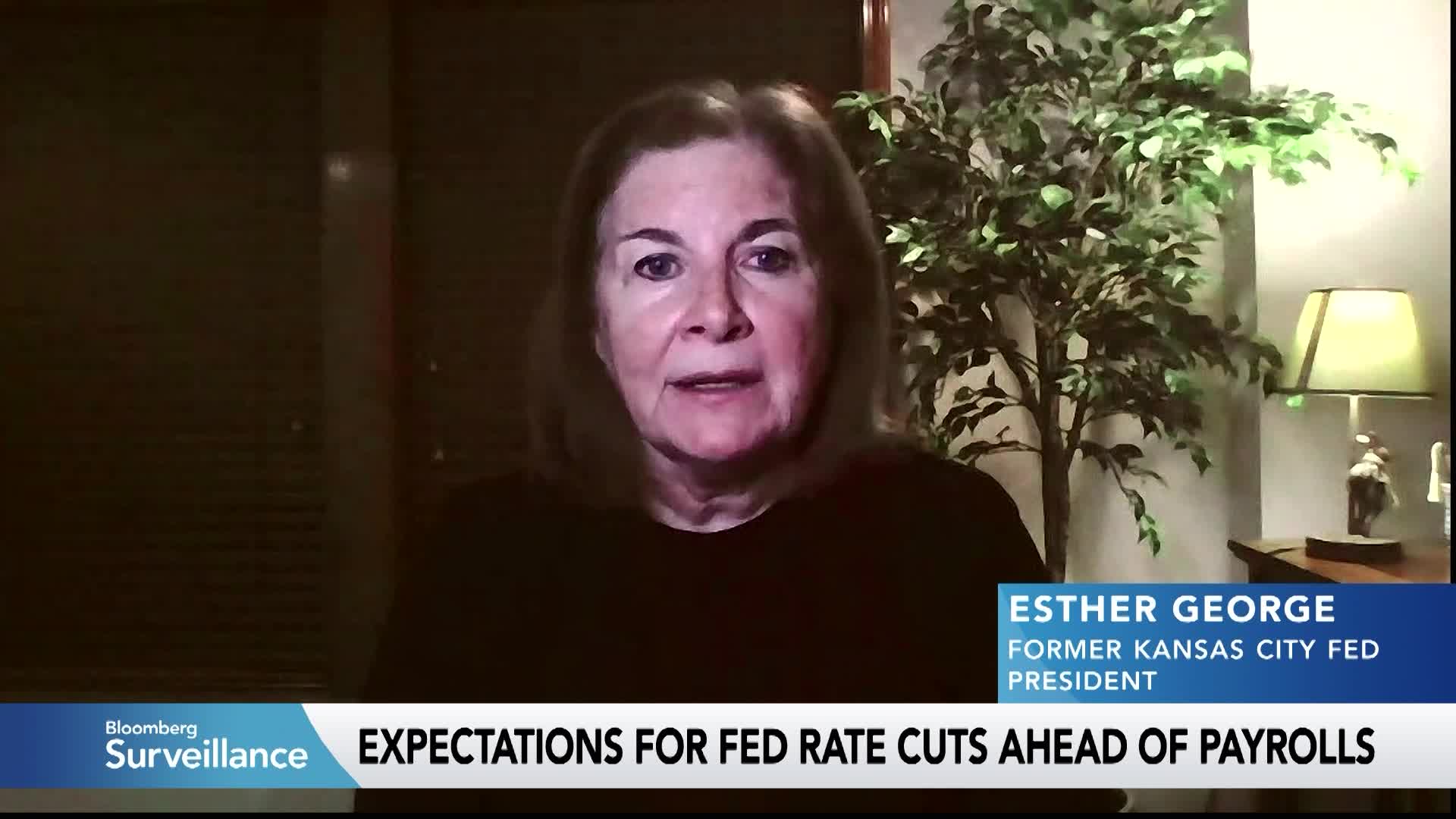
Kansas City Fed President Esther George stated that the US labor market has achieved "better balance," indicating a potential easing of tightness and wage pressures. This assessment from a Federal Reserve official suggests that monetary policy efforts may be successfully moderating labor demand, which could support disinflationary trends and influence future interest rate decisions.
Kansas City Fed President Esther George's assessment that the US labor market has achieved a "better balance" is a significant, moderately positive signal for markets. This statement from a Federal Reserve official implies that the central bank's monetary tightening is successfully moderating labor demand, which in turn helps to ease the wage pressures that have been a key driver of inflation. The optimistic tone suggests growing confidence within the Fed that its policies are working as intended, potentially tempering the need for further aggressive rate hikes. This rebalancing is a critical step towards the Fed's goal of a soft landing, where inflation returns to target without causing a sharp economic downturn, supporting a disinflationary outlook and influencing future interest rate decisions.
AI-powered research, real-time alerts, and portfolio analytics for institutional investors.
Request DemoOverall Sentiment
moderately positive
Sentiment Score
0.50
