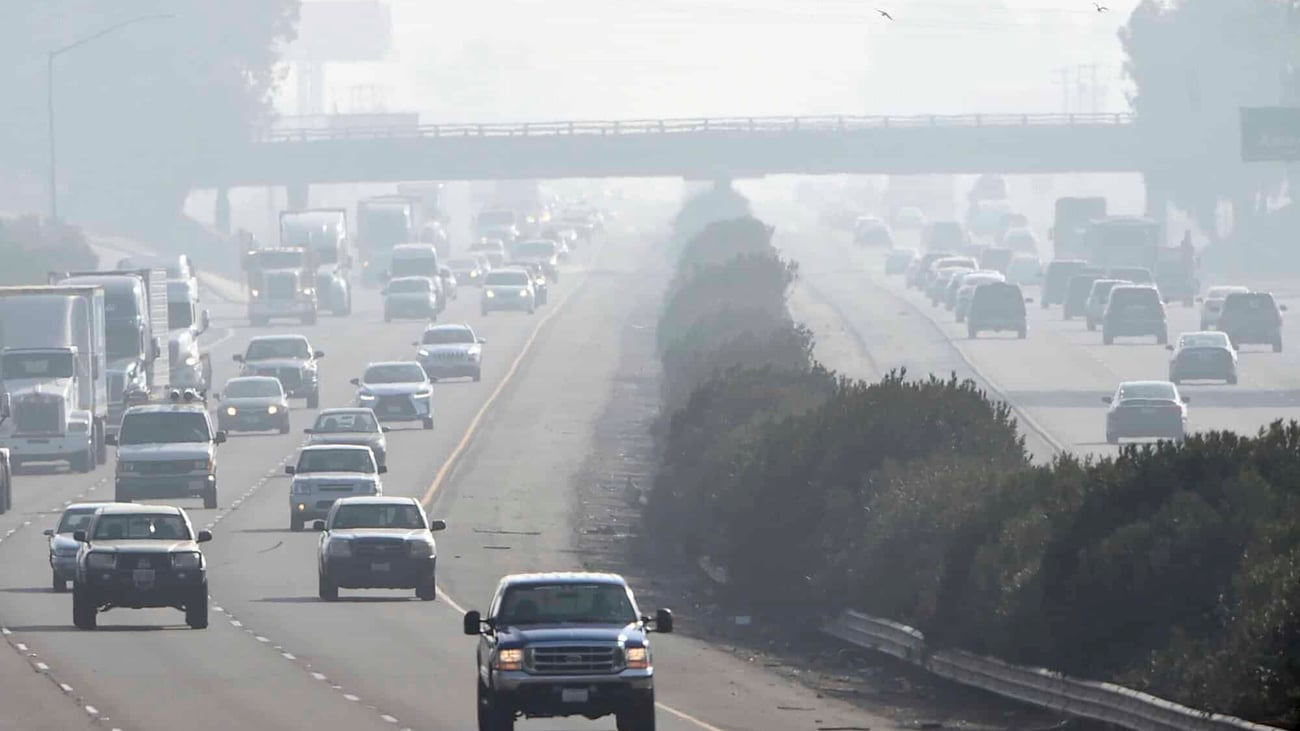
California released draft risk findings on acrolein and ethylene oxide, chemicals officials say carry about 10 times the cancer risk of benzene and warrant more monitoring and mitigation. The process launches public comment, workshops, peer review and a final scientific panel vote over the next year, while Governor Newsom is set to request $2.5 million in FY2026-27 funding for additional testing. The news is regulatory and public-health focused, with limited near-term market impact but potential implications for emissions sources including transportation and industrial sanitation.
This is less a near-term shock than the start of a regulatory glide path that can quietly re-rate several industries. The important second-order effect is not the draft risk values themselves, but the state’s decision to formalize a monitoring-and-review process: once a contaminant is classified as meaningfully more carcinogenic, permitting, disclosure, and procurement decisions tend to tighten well before any outright ban. That creates a medium-term compliance overhang for firms with California exposure, especially where emissions are diffuse and hard to abate cheaply. The biggest relative beneficiaries are the companies selling measurement, filtration, ventilation, industrial controls, and zero-emission substitutes. The policy logic points toward more demand for air-quality instrumentation, hospital sterilization alternatives, HVAC upgrades, and EV infrastructure, while legacy combustion-heavy businesses face a slow-burn cost of capital penalty as California keeps signaling that future rulemaking will be science-driven and cumulative. In practice, the market usually underprices these “pre-rule” phases until a specific enforcement action or procurement exclusion arrives. The contrarian angle is that the immediate economic impact is likely overstated. The state itself is signaling a long review period and limited data, which reduces the odds of abrupt restrictions in the next 1-2 quarters. That makes this more attractive as a thematic position than a headline-driven panic trade: the real catalyst set is months to years, not days, and the upside comes from gradual repricing of compliance intensity rather than a one-off regulatory event. The cleanest risk is political reversal at the federal level or dilution during the review process, which could compress the timeline. The more subtle risk is that California’s eventual response is narrow and operational rather than punitive, limiting earnings impact to modest capex and opex increases instead of volume disruption. So the trade should favor companies with leverage to compliance spend and air-quality remediation, not blanket shorts on every emissions-linked industry.
AI-powered research, real-time alerts, and portfolio analytics for institutional investors.
Request DemoOverall Sentiment
neutral
Sentiment Score
-0.05
