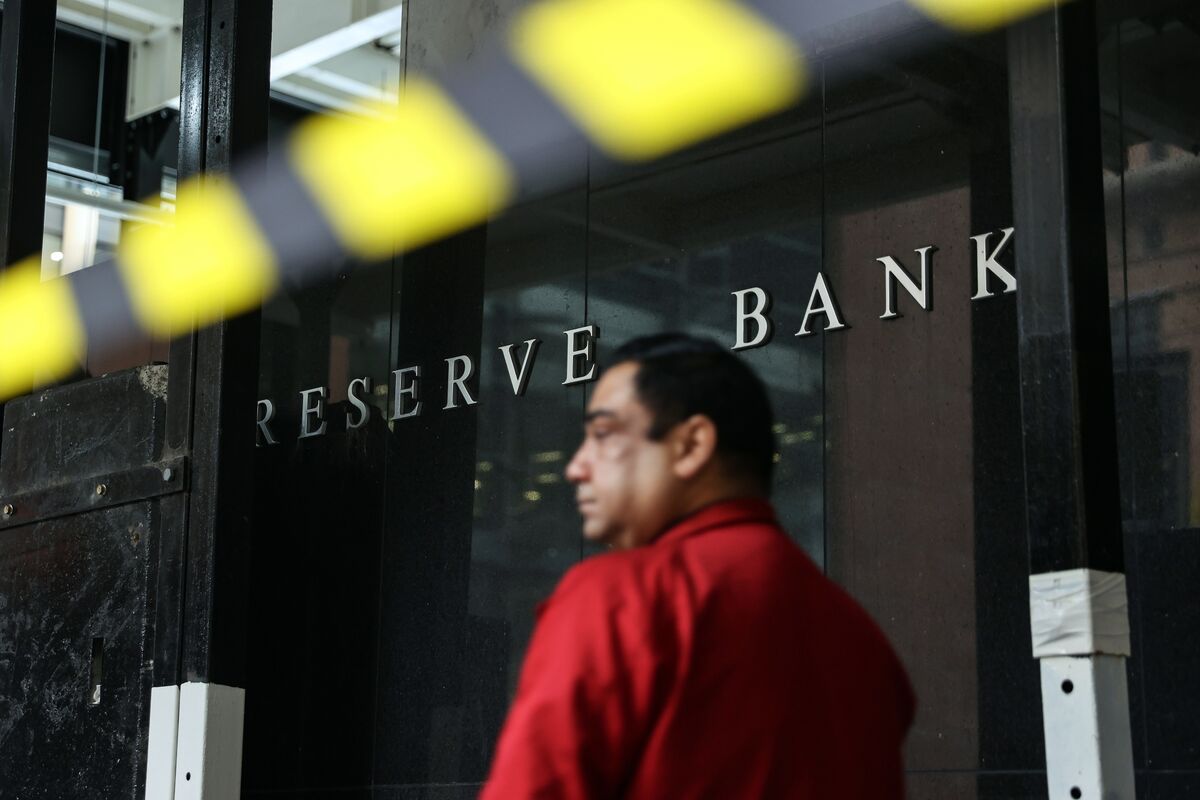
The Reserve Bank of Australia (RBA) implemented its third interest rate cut this year, lowering its key rate to 3.6%, a level not seen since April 2023, bringing total easing to 75 basis points. This move, which was in line with market expectations, signals a data-dependent approach for future policy, with the scope for further cuts contingent on developments in a still-tight labor market and persistent productivity challenges.
The Reserve Bank of Australia has continued its dovish monetary policy trajectory, executing its third interest rate cut of the year to bring the key rate to 3.6%, a level not seen since April 2023. This 25 basis point reduction, which aligned with market expectations, culminates in 75 basis points of total easing in the current cycle. Critically, the RBA has signaled that its future policy path is now explicitly data-dependent, pivoting market focus towards incoming economic indicators. The central tension for future decisions lies between a persistently tight labor market, which could exert inflationary pressure, and poor productivity growth, which acts as a significant headwind for the economy. This dual focus introduces uncertainty regarding the scope and timing of any further easing, making upcoming data releases on employment and productivity the primary catalysts for market repricing.
AI-powered research, real-time alerts, and portfolio analytics for institutional investors.
Request DemoOverall Sentiment
moderately positive
Sentiment Score
0.45
