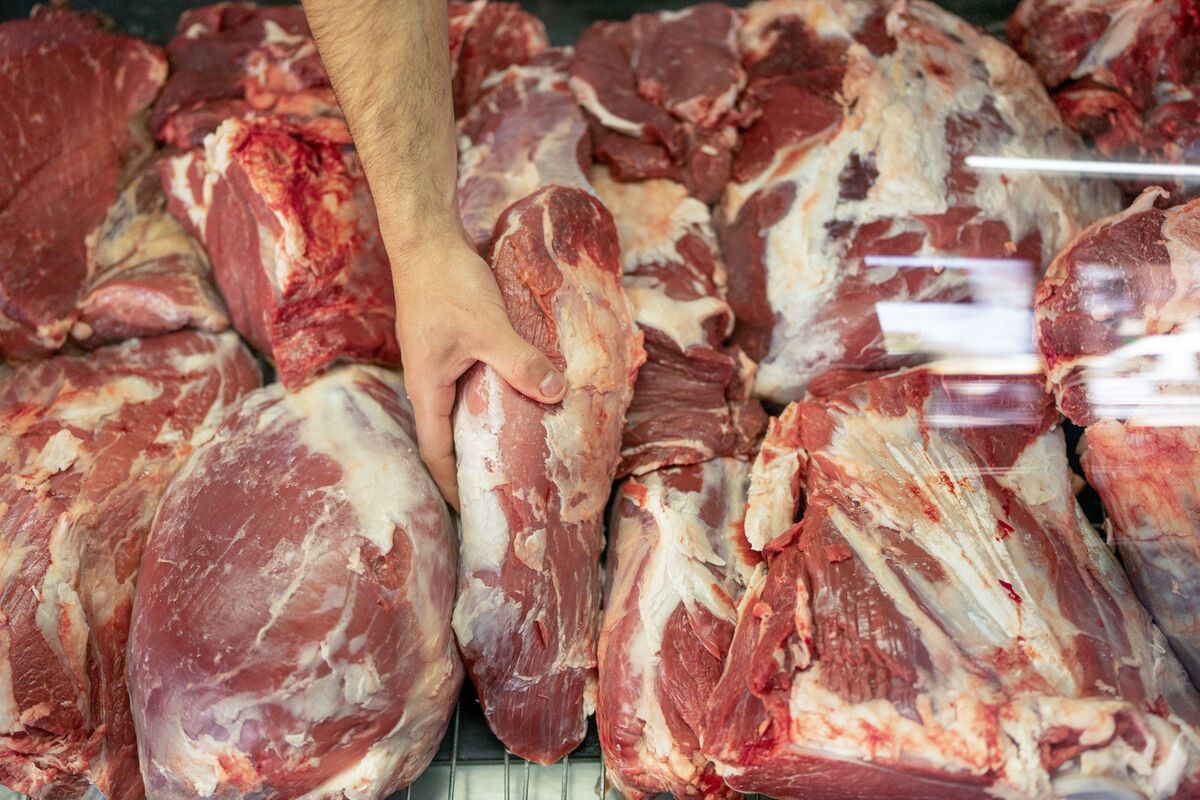
Global meat prices, particularly beef, reached a new record high in August, driven by sustained strong demand from the U.S. and China amid dwindling global cattle supplies. This surge is exacerbating inflation pressures internationally, exemplified by a nearly 25% year-over-year increase in UK consumer prices for beef and veal in July.
Global meat prices reached a new record in August, continuing a rally from July, as indicated by the United Nations’ Food and Agriculture Organization (FAO) price index. The primary driver of this surge is a fundamental supply-demand imbalance in the beef market, characterized by strong, sustained demand from major consumers like the United States and China coinciding with dwindling global cattle supplies. This commodity price inflation is directly translating into broader economic pressures. For instance, in the United Kingdom, consumer prices for beef and veal had already registered a significant year-over-year increase of almost 25% in July, highlighting the tangible impact on consumer-level inflation and the potential for margin pressure on downstream industries.
AI-powered research, real-time alerts, and portfolio analytics for institutional investors.
Request DemoOverall Sentiment
moderately negative
Sentiment Score
-0.60
