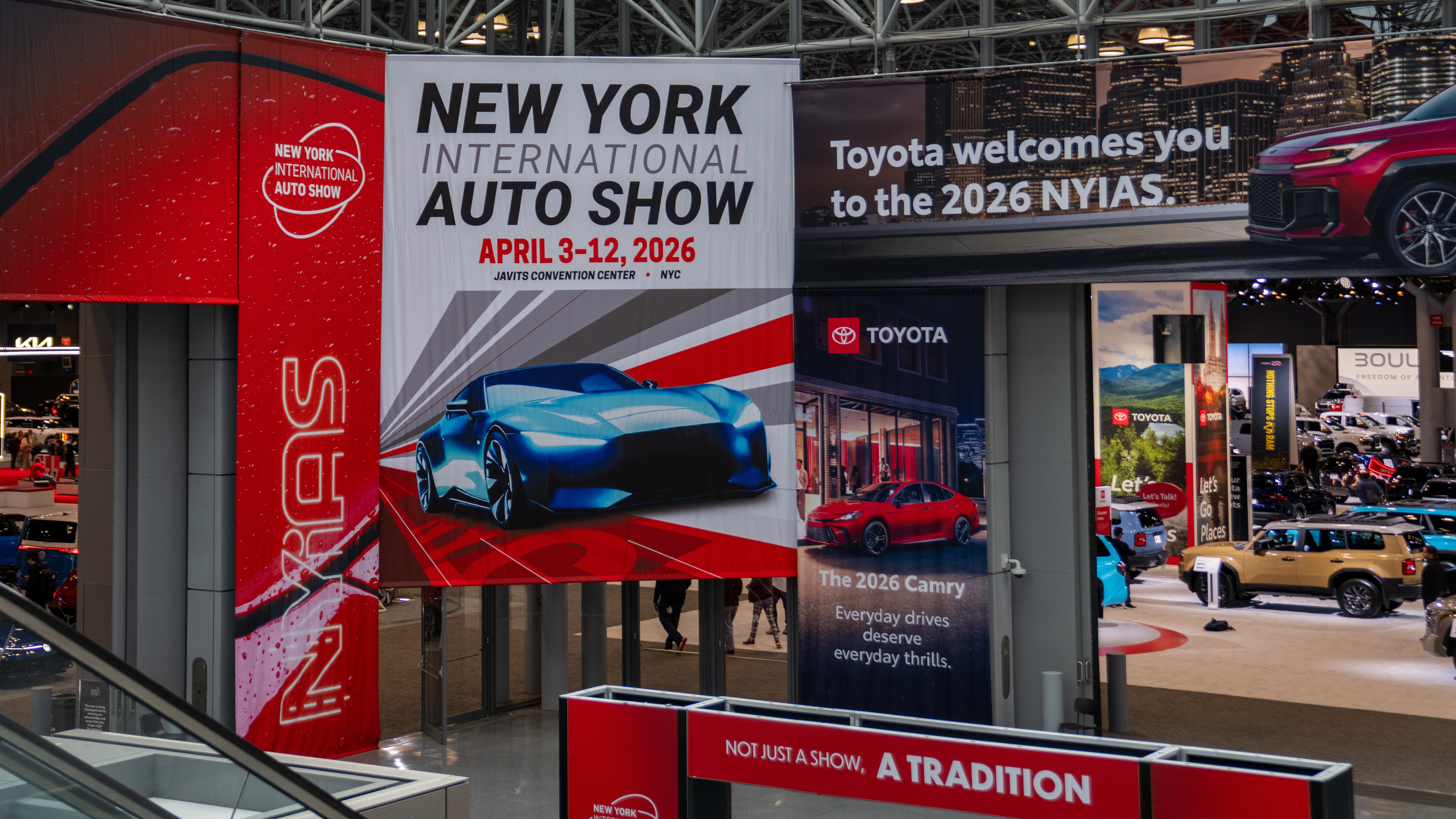
Hyundai, Subaru and Kia unveiled new products at the New York Auto Show on April 2, 2026, while executives warned that rising competition from Chinese automakers and the war in Iran represent strategic threats. The comments signal potential pressure on margins and market share from lower-cost Chinese entrants and possible supply-chain or energy disruptions from Middle East tensions, likely weighing on sector sentiment but unlikely to trigger a broad market move immediately.
OEMs pushing new US-facing products and signalling defensive moves versus low-cost Chinese rivals reframes competition away from pure product features to where cars are built, certified and bought. Expect 5–10% incremental North American content (electronics, battery modules, seat assemblies) to shift to local Tier‑1s within 12–36 months as firms hedge tariff/regulatory risk; that favors suppliers with existing US capacity and proven integration track records more than low-cost offshore assemblers.
A tighter regulatory environment (safety, telematics/data-security, battery sourcing) is the more realistic trade barrier than headline tariffs — these create high fixed compliance costs that disproportionately punish thin‑margin Chinese entrants and startups, while advantaging incumbents who can amortize certification over large volumes. Concurrently, dealer and retail pressures (financing/legal scrutiny) will push OEMs toward higher promotional spend and captive finance support in the near term, compressing OEM/retailer cash conversion over the next 2–6 quarters.
Geopolitical tail risks (Middle East escalation) and shipping volatility add a 3–8% delivered-cost shock scenario for cross‑border components inside a 0–6 month window; that amplifies the incentive to localize but also raises short‑term inventory and working capital needs. The main reversal risk is a renewed Chinese cost advantage via raw‑material disinflation or large-scale JV market entry in the US — either could erase compliance‑driven barriers within 12–24 months and re-open global share contests on price rather than supply footprint.
AI-powered research, real-time alerts, and portfolio analytics for institutional investors.
Overall Sentiment
neutral
Sentiment Score
0.00
