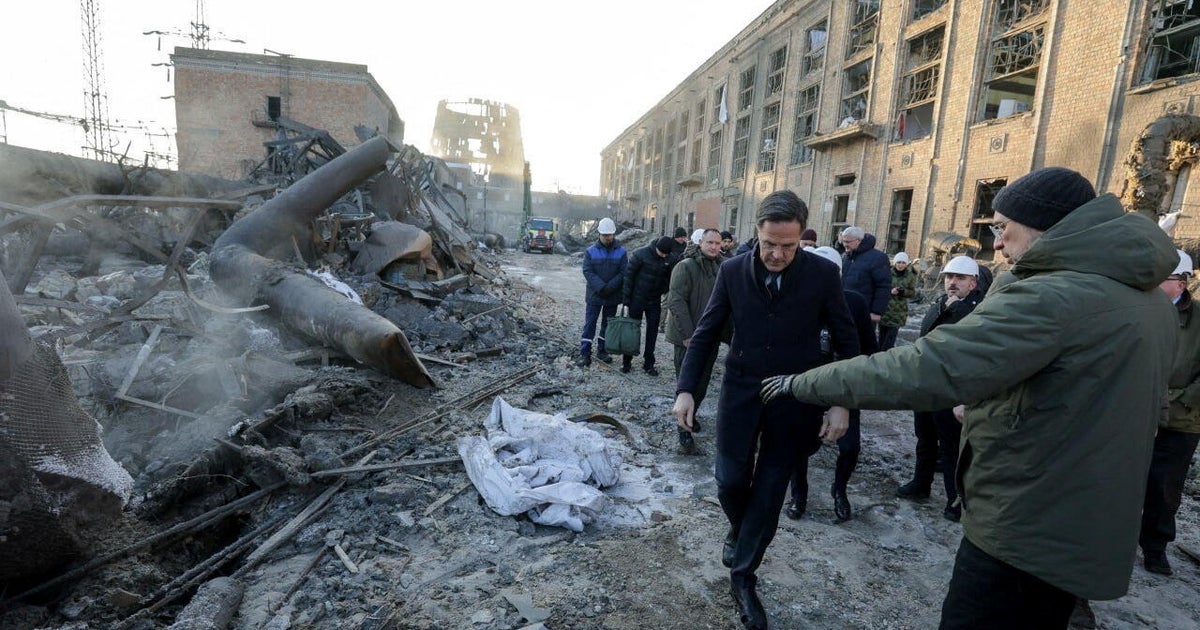
Russian forces launched an overnight strike of some 450 drones and more than 60 missiles that hit Ukraine's energy infrastructure in and around Kyiv, leaving about 1,170 apartment buildings without heating during temperatures near -7°F; DTEK called it the worst attack of 2026 and the 12th major attack on energy assets in four months. The strikes came after an announced weeklong pause on targeting energy facilities tied to trilateral Abu Dhabi talks and directly undermined diplomatic momentum, forcing crews to make emergency repairs amid overloaded grids. The escalation heightens short-term energy-security risk in Ukraine, threatens heating availability in winter conditions, and could sustain upward pressure on regional energy and defense risk premia if attacks continue.
Market structure: Repeated strikes on Ukrainian energy grids create clear winners (defense primes, tactical ISR/EO suppliers, LNG exporters) and losers (Ukrainian utilities, local SMEs, insurers/reinsurers). Expect 3–12 month revenue upside of +10–25% for large U.S./European defense contractors (LMT, NOC, GD, BAE.L) driven by incremental orders and accelerated procurement; conversely expect elevated capex and outage-related hits to regional utilities (EOAN.DE, RWE.DE) and commodity power purchasers. Commodity demand is biased higher for European gas and power into late winter — a 10–30% price shock to TTF/NG under a sustained disruption is credible.
Risk assessment: Tail risks include rapid escalation (NATO kinetic involvement or broader sanctions) that could spike oil/gas >30% and force asset freezes (weeks), or a diplomatic breakthrough that collapses defense premium (days-weeks). Near term (days) market drivers are weather and Abu Dhabi talks (48–96hrs); short-term (weeks) is winter storage and capex announcements; long-term (quarters+) is durable re-routing of European energy supply and defense budget re-baselining. Hidden dependencies: EU gas storage % (threshold <60% by March raises price shock probability) and U.S. administration policy signals can swing risk premia sharply.
Trade implications: Direct plays: tilt long defense equities (LMT, NOC, GD) and commodity long on NG/TTF; hedge portfolio tail risk with GLD. Relative/value: pair long LMT (2–3% position) vs short EU utility ETF exposure (e.g., -1.5% in a basket of EOAN.DE/RWE.DE) to capture divergence. Options: buy 3-month NG call spreads and 6-month LMT call spreads to limit premium while capturing volatility; size to 1–2% notional each.
Contrarian angles: Consensus prizes defense upside and commodity inflation but underestimates near-term resilience of European integrated utilities that can pass through power price spikes to consumers — short conviction should be sized conservatively. If Abu Dhabi talks produce a credible energy truce within 7–21 days, natural gas/power could mean-revert 15–25%; tradeable with asymmetric option structures. Historical parallels (2014 Crimea/2015 Syria) show 6–12 month elevated defense spend, but markets can overshoot in 1–3 months; use phased entries and explicit stop-loss thresholds.
AI-powered research, real-time alerts, and portfolio analytics for institutional investors.
Request DemoOverall Sentiment
strongly negative
Sentiment Score
-0.60
