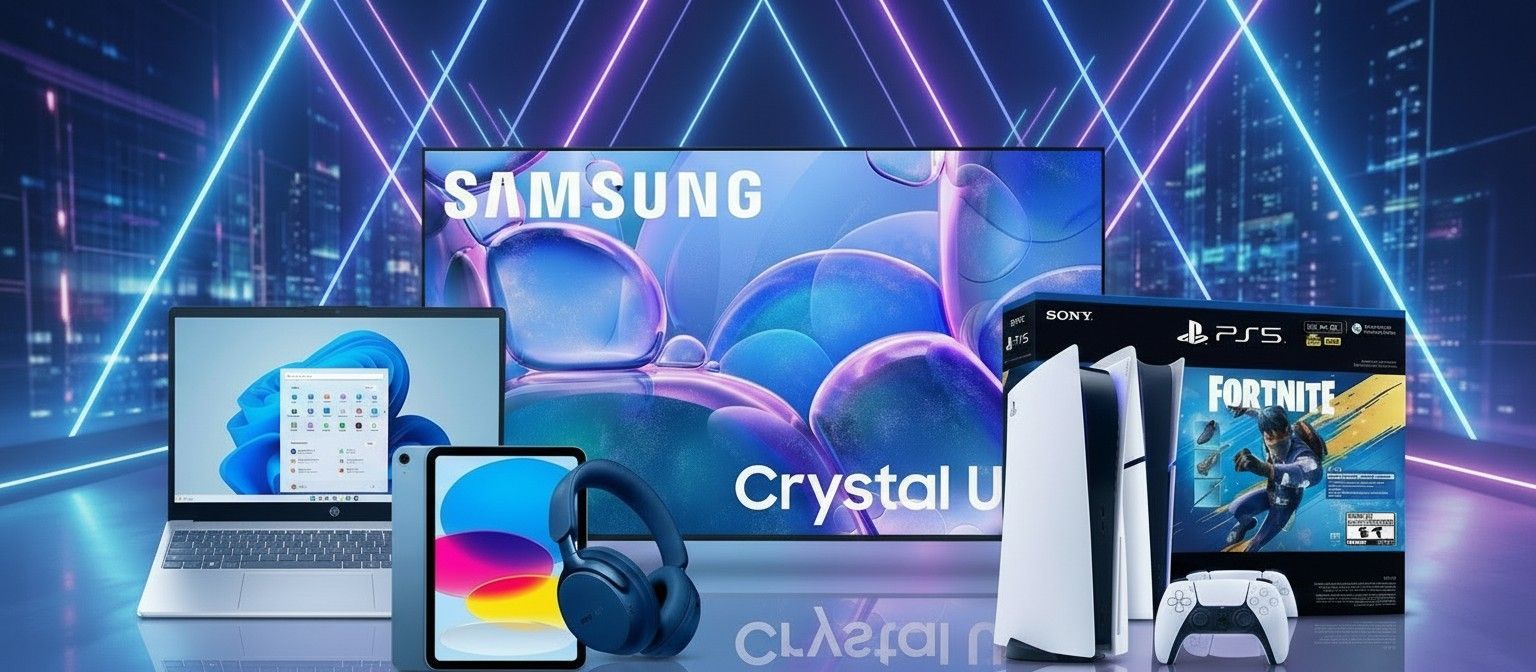
Best Buy has launched a limited 48-hour flash sale offering record-low prices across consumer electronics — notable examples include Apple's 11-inch iPad for $299, a Samsung 75-inch 4K Crystal TV for $449.99, and Bose QuietComfort Ultra Headphones for $299. The short, time-limited promotion (ending Tuesday at midnight) is likely aimed at driving near-term traffic and clearing inventory for popular tech SKUs; while it could incrementally boost short-term sales and footfall, the limited scope and duration make material, lasting impacts on company financials or equity valuation unlikely without broader promotional trends.
Market structure: Best Buy's 48-hour flash sale is a classic traffic-driver that benefits consumers and manufacturers that fund promotions (Samsung, Bose) while compressing retailer gross margins. Short-term winners: BBY (foot traffic, near-term revenue bump) and appliance/CE vendors that clear SKU-level inventory; losers: smaller-margin big-box peers forced to match prices and component suppliers if OEM orders are cut. This dynamic shifts pricing power back to buyers for 30–90 days and likely produces a 1–3% downward pressure on ASPs in CE categories if cadence continues.
Risk assessment: Key tail risks include a sustained consumer-spend slowdown that forces inventory write-downs and >50–150bps EBITDA margin compression for BBY over a quarter, and cascading order cancellations at component suppliers. Immediate (days) risk: sales cannibalization of full-price units; short-term (weeks–months): margin erosion and promotional arms race; long-term (quarters+): normalized higher price elasticity hurting premium brands. Hidden dependencies: manufacturer-funded discounts vs retailer-funded promotions materially change BBY P&L — check co-op disclosures and inventory days within 7–14 days.
Trade implications: Tactical: favor a short-duration directional trade on BBY around promotional cycle and earnings cadence; consider a 2–3% notional long trade for 1–3 weeks if SSS and conversion improve, or a 1–2% short into earnings if inventory days >60 or gross margin down >100bps. Use options: buy BBY 30–45 day call spreads to play positive traffic with defined risk, or buy 30–45 day put spreads if margin signals deteriorate. For AAPL, prefer 3–5% core long over 3–12 months; discounts here are demand-signal, not structural.
Contrarian angles: Consensus celebrates promo-driven sales as positive for BBY, but this may understate lasting channel destocking and margin damage — historically (pre-2020 retail cycles) similar promotions preceded 1–2 quarter EPS misses. Mispricing opportunity: suppliers/panel makers may be under-owned; a downside tranche in panel suppliers could outperform if OEM cutbacks occur. Watch for unintended consequences: repeated deep promos raising consumer price anchoring and permanent ASP decline over 2–4 quarters.
AI-powered research, real-time alerts, and portfolio analytics for institutional investors.
Request DemoOverall Sentiment
mildly positive
Sentiment Score
0.30
Ticker Sentiment
