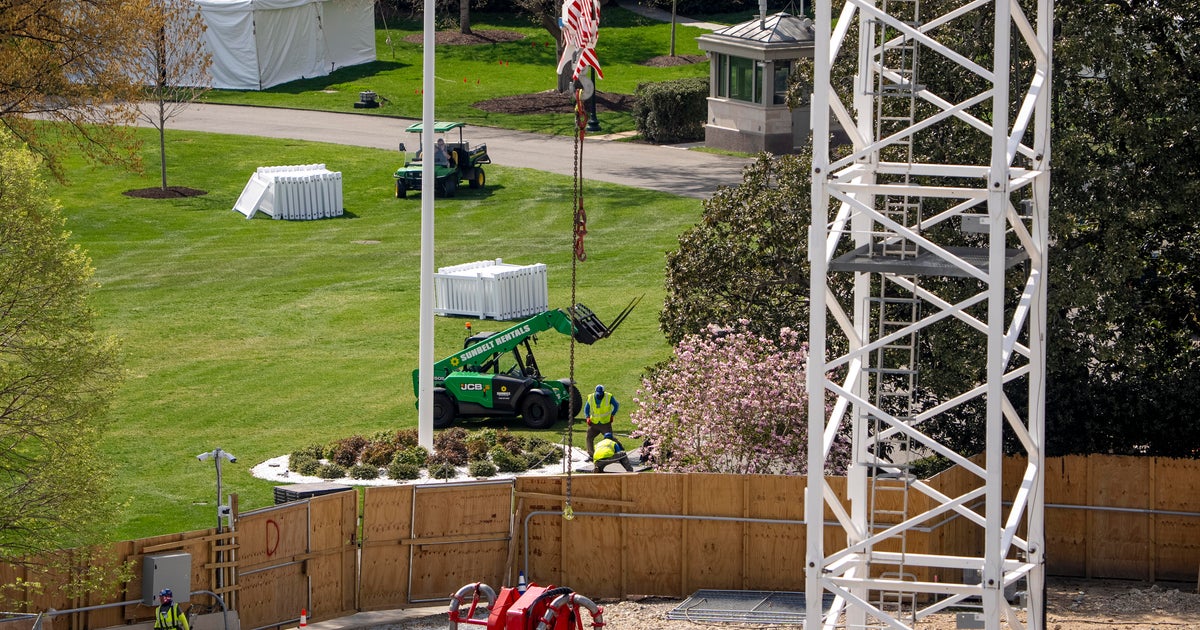
The National Capital Planning Commission voted 9-1 to approve the 90,000 sq ft East Wing renovation, including a 1,000-seat ballroom, but a federal judge ruled the administration must obtain congressional authorization, likely putting above-ground construction on hold while the DOJ appeals. The project was announced at $200M and has since doubled (≈$400M), is being financed via a nonprofit donor vehicle that includes companies with business before the government, and faces legal, preservationist and ethics scrutiny that elevates political and regulatory risk.
A high-profile, privately funded federal renovation that runs into legal and political headwinds creates three durable market effects that are underappreciated. First, concentrated donor scrutiny transmits reputational and political-risk premia to companies with material government-facing revenue; a single high-visibility inquiry can compress bid hit rates and slow procurement decisions by 5–15% over 6–12 months as compliance teams and legal counsel engage. Second, stop-start construction cycles impose asymmetric cashflow pain on mid-tier contractors and specialty suppliers: mobilization/demobilization costs plus excess scrap/dirt disposal drive margin erosion concentrated in the first 2–4 quarters after a halt, while prime contractors with diversified backlog merely reallocate resources. Third, sustained media/legal attention is a small but reliable subscriber and ad-revenue lever for national news outlets — episodic controversies tend to deliver single-digit percent top-line bumps over 1–3 quarters, often with outsized option-implied moves the week of litigation filings or Congressional hearings.
Timing and catalysts are measurable: immediate volatility spikes around appellate rulings and disclosure hearings (days–weeks), legislative proposals or inspector-general reports (1–6 months), and contract reprocurement or taxpayer-assumption decisions (6–18 months). The path to resolution is likely protracted — expect binary legal events in the next 30–90 days with follow-on institutional legislative responses over the next 6–12 months. Key reversal scenarios include a clear federal funding backstop or transparent donor disclosures that remove governance uncertainty; either could tighten spreads for affected contractors and deflate short-term volatility within 1–3 months.
Investors should treat this as a regulatory/governance arbitrage, not a pure construction story. Size positions for event risk: use options to limit downside around court dates and monitor congressional calendars and donor-disclosure filings as hard triggers to scale in or out.
AI-powered research, real-time alerts, and portfolio analytics for institutional investors.
Request DemoOverall Sentiment
mildly negative
Sentiment Score
-0.25
Ticker Sentiment
