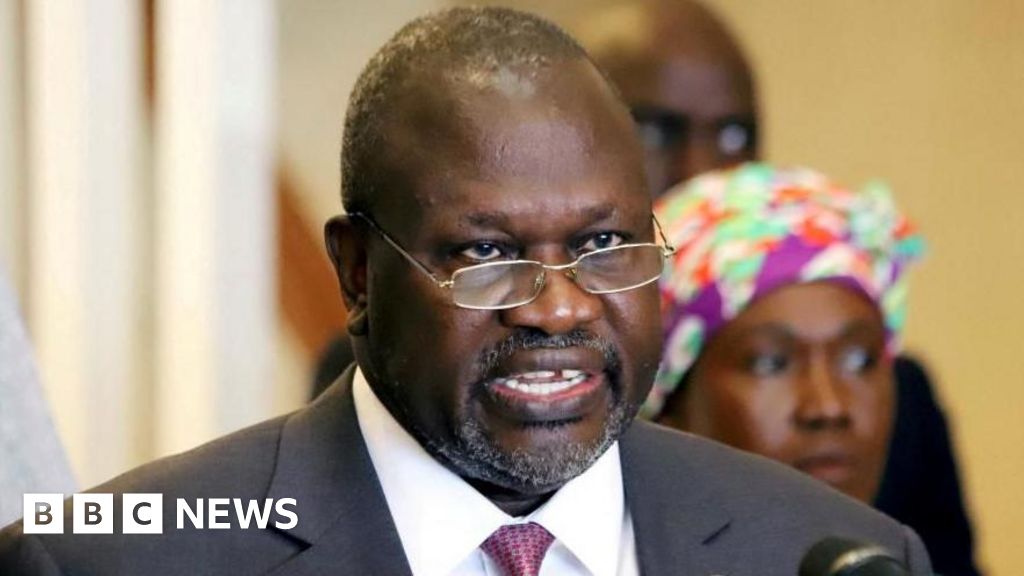
South Sudan's First Vice-President Riek Machar, along with several key allies including the Petroleum Minister, has been charged with murder, treason, and crimes against humanity, stemming from a March militia attack that killed 250 soldiers and a UN pilot. Machar's spokesperson dismisses the charges as a political witch-hunt designed to dismantle the fragile 2018 peace agreement, which ended a conflict that killed nearly 400,000 people. This development significantly elevates the risk of renewed civil war and political instability, posing a critical threat to the country's fragile peace and any investment prospects.
The charging of South Sudan's First Vice-President Riek Machar and key allies, including the Petroleum Minister, with treason and murder marks a severe escalation of political instability, fundamentally jeopardizing the 2018 peace agreement. This legal action, which Machar's faction decries as a politically motivated effort to dismantle the power-sharing deal, significantly raises the probability of a return to civil war, a conflict that previously claimed nearly 400,000 lives. The suspension of the Petroleum Minister introduces acute uncertainty into the country's oil sector, the primary driver of its economy, creating risks of operational disruption and contract instability. The deployment of military assets in the capital and calls for calm from the UN and African Union underscore the imminent threat to national security. The situation reflects an extreme level of governance and geopolitical risk, consistent with the provided sentiment score of -0.85, suggesting that the fragile unity government is on the verge of collapse.
AI-powered research, real-time alerts, and portfolio analytics for institutional investors.
Overall Sentiment
extremely negative
Sentiment Score
-0.85
