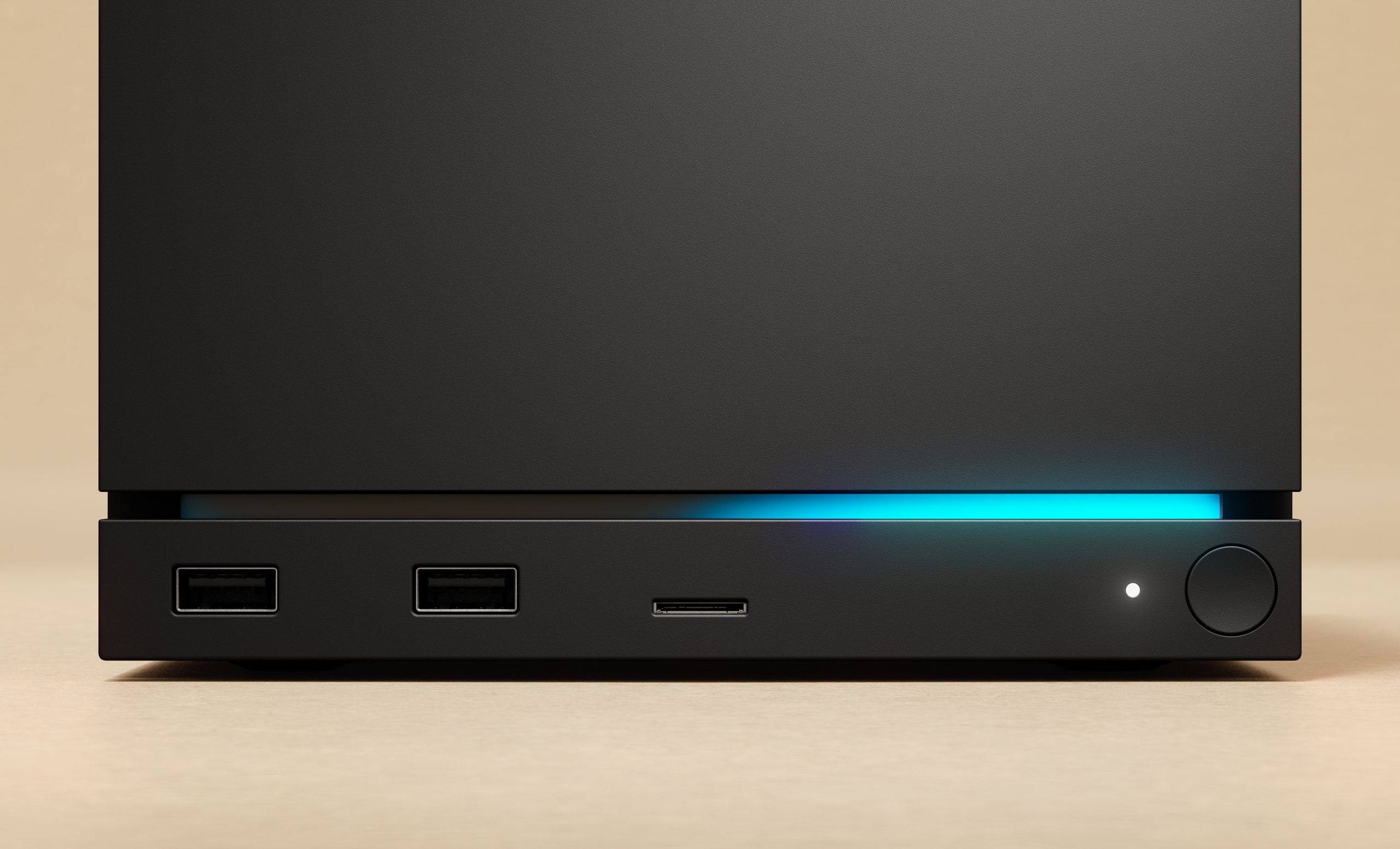
Valve says its upcoming Steam Machine will be priced in line with comparable PC builds — industry estimates roughly $700–$1,000 — and that it will not subsidize the device as it did with the Steam Deck. The higher, non-subsidized price point combined with limitations running top multiplayer titles (e.g., Call of Duty, Fortnite, Minecraft) risks limiting consumer adoption and ceding the living-room console opportunity to competitors such as Microsoft; the pricing stance was confirmed by Valve engineer Pierre‑Loup Griffais in comments relayed by YouTuber SkillUp.
Market structure: A non‑subsidized Steam Machine priced at ~$700–$1,000 cements a bifurcated market — subsidized consoles (MSFT/SONY) remain the low‑price, high‑network share winners while PC GPU/partner suppliers (NVDA, AMD suppliers, DELL) capture higher ASPs per unit. Expect Microsoft (MSFT) to gain incremental pricing power in the living‑room segment over the next 6–18 months as Valve concedes the low‑cost entry point. Retailers (BBY, WMT) are mixed: higher‑margin PC accessory sales may rise, but console bundle sales stick with incumbents.
Risk assessment: Tail risks include Valve surprising the market with a suddenly subsidized SKU or a platform deal with MSFT/AMD within 30–90 days, which would re‑route demand quickly; supply shocks in GPUs remain a wild card for H1 2026. Immediate (days) risk is elevated vol around Valve price announcement; short term (weeks/months) holiday demand will reveal elasticity; long term (2–4 years) depends on developer support and Windows compatibility. Hidden dependencies: developer porting to SteamOS and multiplayer titles availability are binary levers for adoption.
Trade implications: Favor asymmetric exposure to MSFT and NVDA while trimming pure play low‑margin OEM risk. Size positions modestly (1–2% NAV each) and use options to cap downside: NVDA 6–12 month call spreads to capture continued GPU demand; MSFT 3–6 month call-buy or buy‑write around Game Pass bundles. Consider a small short (0.5–1% NAV) in retail/second‑tier OEM exposure (select BBY/DELL tactical) into any post‑announcement pop if Steam uptake is signaled as weak.
Contrarian angles: Consensus that Valve’s device is doomed ignores a scenario where high ASP, low volume still materially raises GPU and component revenue for suppliers (NVDA/AMD/DELL), supporting EPS upside without mass adoption. Historical parallel: Steam Deck drove Linux gaming and accessory ecosystems despite niche unit sales — similar asymmetric supplier wins could play out here. The key unintended consequence: Valve remaining premium could strengthen Microsoft’s subscription economics while enlarging the high‑end PC aftermarket — position size and option structure should reflect this asymmetric payoff.
AI-powered research, real-time alerts, and portfolio analytics for institutional investors.
Request DemoOverall Sentiment
moderately negative
Sentiment Score
-0.40
Ticker Sentiment
