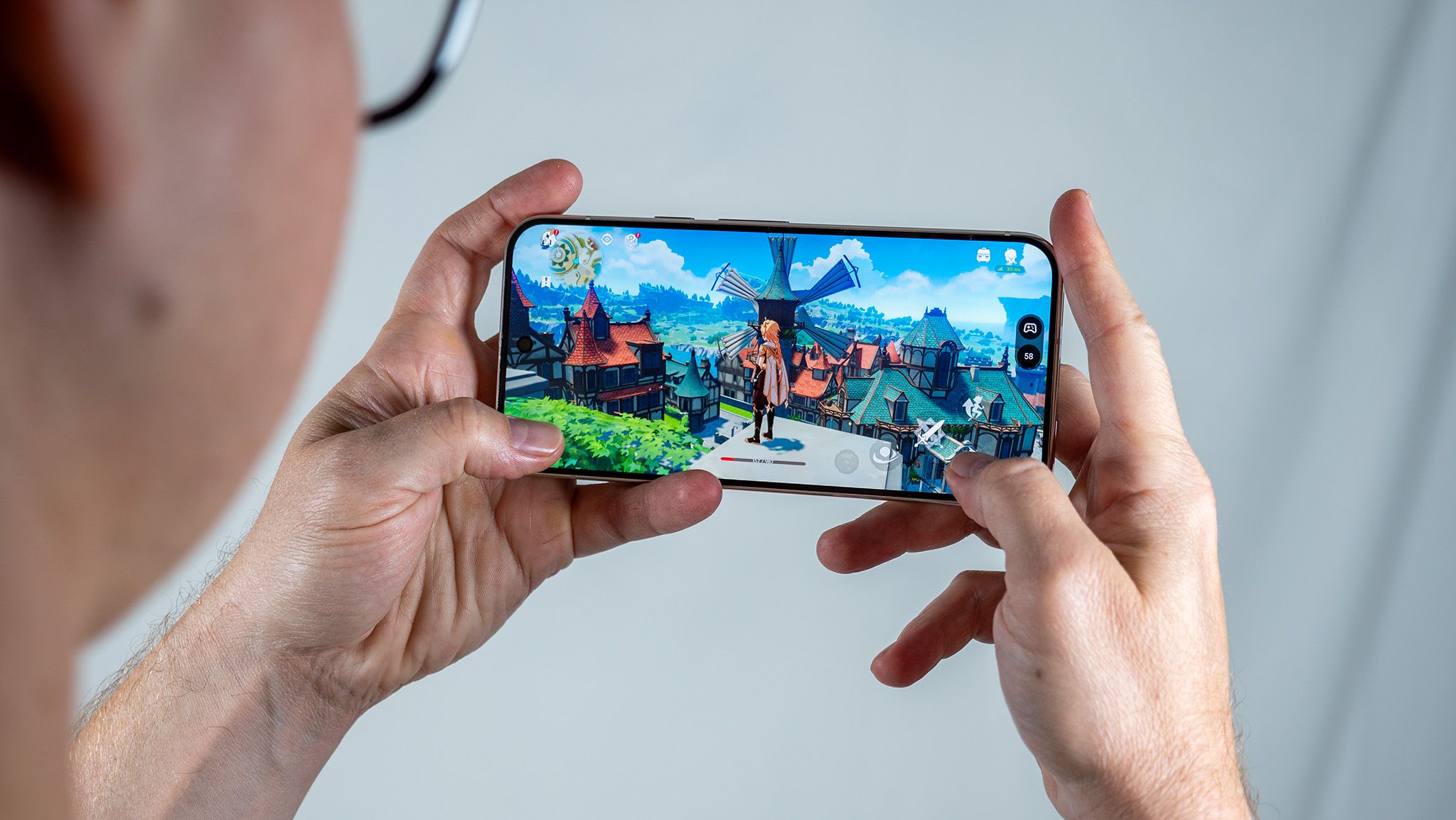
Early rumors suggest Google's Tensor G6 may use a 1+4+2 CPU setup with one ARM C1-Ultra core at 4.11GHz, four C1-Pro cores at 3.38GHz, and two C1-Pro cores at 2.65GHz, which would be an improvement over Tensor G5's 1+5+2 configuration. However, the alleged PowerVR C-Series CXTP-48-1536 GPU is described as very old, raising concerns that Pixel 11 gaming performance may remain weak. The news is speculative and unlikely to move shares materially, but it tempers optimism around the Pixel 11 hardware upgrade cycle.
The immediate read is not that Google’s silicon story is improving linearly, but that the company may be optimizing for compute-per-watt in general workloads while accepting a weaker gaming envelope. That matters because it shifts the Pixel value proposition further away from “best-in-class Android performance” and toward AI, camera, and battery differentiation—good for retention of mainstream users, less relevant for enthusiast share. If true, the competitive gap versus Samsung/Qualcomm in premium Android handsets could persist even as benchmark headlines improve. The second-order implication is on supply-chain leverage: a more custom CPU mix is supportive for TSM as the foundry beneficiary if Google continues migrating advanced nodes, but the rumored GPU architecture suggests Google is still unwilling to pay for leading-edge graphics IP or die area. That creates a subtle negative for ARM royalty upside if Google’s design choices increasingly favor a narrow set of CPU-centric workloads over broad performance scaling. For QCOM, this is mildly constructive over a 6-12 month horizon because a slower Pixel GPU improvement reduces the risk of Google materially closing the perceptual gap in flagship gaming and mobile graphics. The market likely underappreciates how durable “good enough” silicon can be for Google if AI features remain the user-facing moat. In other words, a mediocre GPU is not necessarily a product failure if the device wins on generative features and camera compute, especially in a market where most users do not benchmark phones. The risk is that mobile gaming remains a visible consumer pain point, and that becomes a narrative drag precisely when Google wants Pixel 11 to justify a premium pricing ladder. Catalyst-wise, the next 3-6 months are rumor-driven and low-conviction; the real test comes with developer previews, benchmark leaks, and carrier launch messaging closer to the Pixel 11 window. If Google’s messaging emphasizes AI acceleration while ignoring graphics, that reinforces the thesis that this is a software-led platform, not a raw performance contest. Conversely, any credible GPU redesign leak would be a fast reversal for the bearish hardware narrative.
AI-powered research, real-time alerts, and portfolio analytics for institutional investors.
Request DemoOverall Sentiment
moderately negative
Sentiment Score
-0.25
Ticker Sentiment
